
Contents
- Introduction to Nanotechnology
- How Nanotechnology Works
- Key Facts and Numbers
- Key Researchers and Organizations
- Cultural Impact and Influence
- Current State and Latest Developments
- Controversies and Debates
- Future Outlook and Predictions
- Practical Applications
- Related Topics and Deeper Reading
- References
Overview
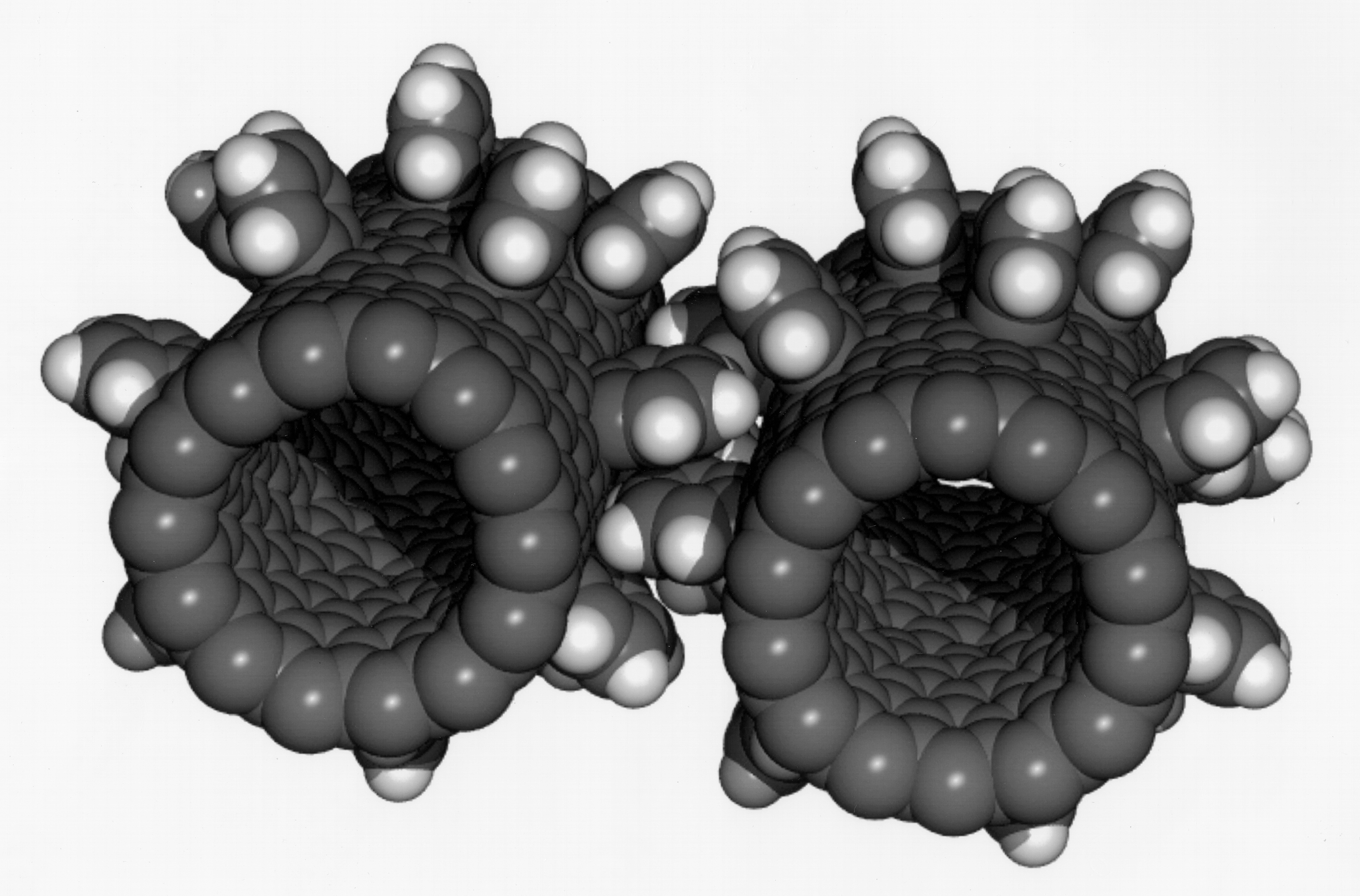
Nanotechnology research is the manipulation of matter at the nanoscale, typically defined as 1-100 nanometers, where surface area and quantum mechanical effects become significant. This field encompasses various disciplines, including surface science, organic chemistry, molecular biology, and semiconductor physics. With applications in energy storage, engineering, microfabrication, and molecular engineering, nanotechnology has the potential to improve lives. Researchers have contributed to the development of nanotechnology. Current research focuses on advancing our understanding of nanoscale properties and developing new technologies, such as nanoparticles and nanotubes. Graphene has exceptional strength, conductivity, and flexibility, making it a promising material for applications in energy storage, electronics, and medicine.
Introduction to Nanotechnology
Nanotechnology research has its roots in the study of the nanoscale. Today, researchers from various fields are working together to advance our understanding of the nanoscale. The development of new nanomaterials like graphene has also been a significant focus of research, with potential applications in energy storage, medicine, and manufacturing.
How Nanotechnology Works
The manipulation of matter at the nanoscale involves understanding the unique properties that emerge at this scale. Researchers use techniques such as atomic force microscopy and scanning tunneling microscopy to study and manipulate nanoscale structures. Companies like Intel and IBM are also investing in nanotechnology research, with applications in energy storage and semiconductor manufacturing. Additionally, the use of artificial intelligence and machine learning in nanotechnology research is becoming increasingly important, with potential applications in simulating the behavior of nanoscale systems and optimizing the design of nanomaterials.
Key Facts and Numbers
Some key facts in nanotechnology research include the fact that nanoparticles can be used to deliver targeted cancer treatments, and nanotubes can be used to create stronger and lighter materials. Researchers like Andrei Geim and Konstantin Novoselov have made significant contributions to the field, including the discovery of graphene. Companies like Google and Microsoft are leading the way in nanotechnology research.
Key Researchers and Organizations
Key researchers and organizations in the field of nanotechnology include the National Institute of Standards and Technology and the National Science Foundation. These organizations provide funding and support for researchers working on nanotechnology-related projects.
Cultural Impact and Influence
Nanotechnology has the potential to improve lives. For example, nanoparticles can be used to deliver targeted cancer treatments, while nanotubes can be used to create stronger and lighter materials. However, there are also concerns about the potential risks and challenges associated with nanotechnology, such as the potential for nanoparticles to cause environmental harm. The use of artificial intelligence and machine learning in nanotechnology research can also help to mitigate these risks by optimizing the design of nanomaterials and simulating their behavior.
Current State and Latest Developments
Current research in nanotechnology is focused on advancing our understanding of nanoscale properties and developing new technologies and applications. Researchers are working on developing new nanomaterials and exploring their potential uses. Additionally, there is a growing interest in the use of artificial intelligence and machine learning in nanotechnology research, with companies like Google and Microsoft investing in AI-powered nanotechnology platforms.
Controversies and Debates
One of the controversies surrounding nanotechnology is the potential for nanoparticles to cause environmental harm. Some researchers have raised concerns about the potential for nanoparticles to accumulate in the environment and cause harm to living organisms. However, others argue that the benefits of nanotechnology outweigh the potential risks. The use of artificial intelligence and machine learning in nanotechnology research can also help to mitigate these risks by optimizing the design of nanomaterials and simulating their behavior.
Future Outlook and Predictions
Looking to the future, nanotechnology is expected to continue to play a major role in shaping various industries and improving lives. Researchers predict that nanotechnology will lead to significant advances in fields such as energy, medicine, and manufacturing. Additionally, the use of artificial intelligence and machine learning in nanotechnology research is expected to accelerate the development of new technologies and applications. Companies like Intel and IBM are already investing in AI-powered nanotechnology platforms, and researchers are exploring the potential for nanotechnology to solve some of the world's most pressing challenges.
Practical Applications
Practical applications of nanotechnology include the use of nanoparticles in medical treatments, such as cancer therapy, and the use of nanotubes in the development of stronger and lighter materials. Companies like Lockheed Martin and Boeing are already exploring the use of nanotechnology in their products. Additionally, researchers are working on developing new nanomaterials, which have the potential to revolutionize various industries. The use of artificial intelligence and machine learning in nanotechnology research can also help to optimize the design of nanomaterials and simulate their behavior.
Key Facts
- Category
- science
- Type
- topic