
Contents
- 🔍 Origins & History
- ⚙️ How It Works
- 📊 Key Facts & Numbers
- 👥 Key People & Organizations
- 🌍 Cultural Impact & Influence
- ⚡ Current State & Latest Developments
- 🤔 Controversies & Debates
- 🔮 Future Outlook & Predictions
- 💡 Practical Applications
- 📚 Related Topics & Deeper Reading
- Frequently Asked Questions
- References
- Related Topics
Overview
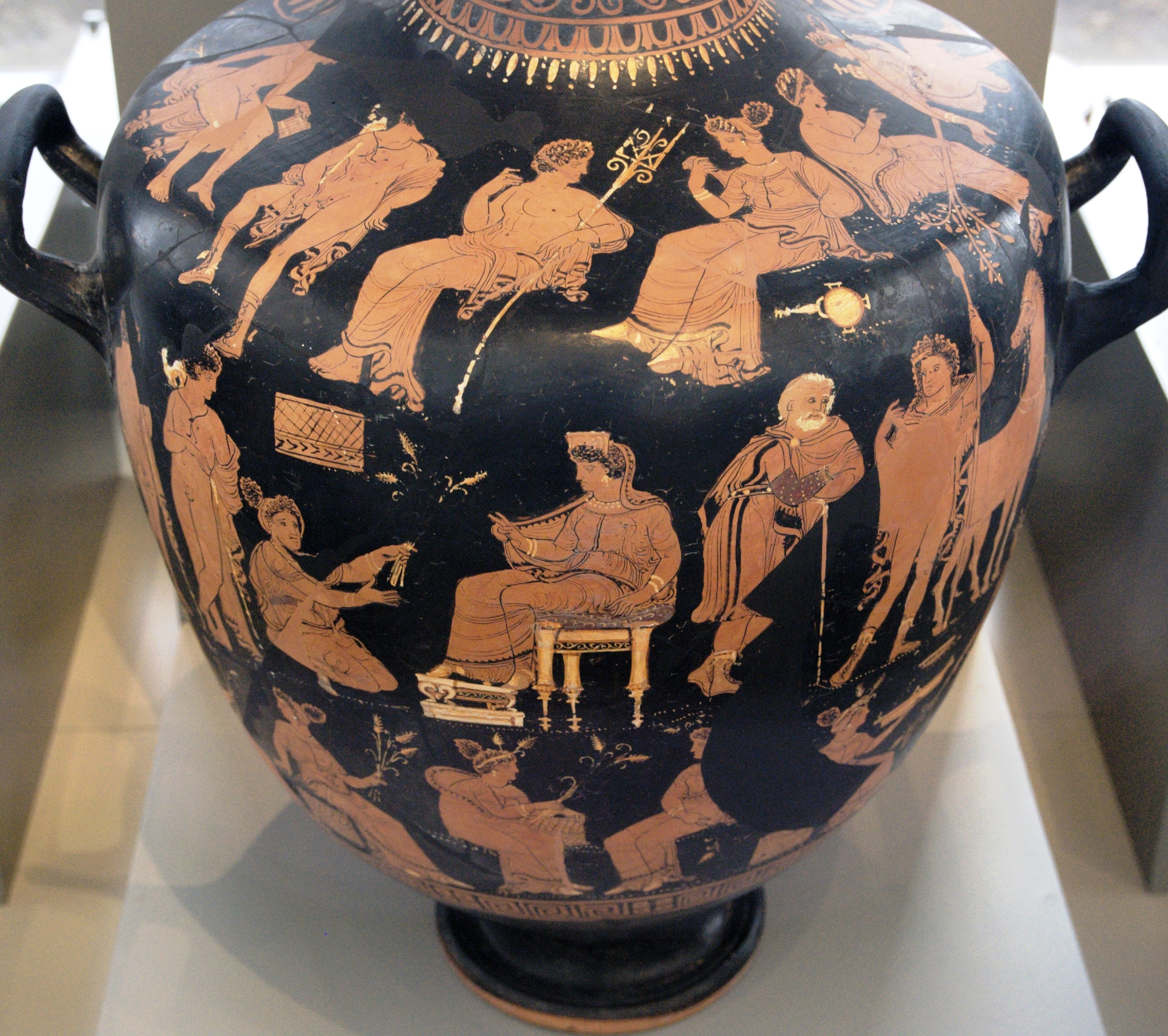
Mystery cults, also known as mystery religions or sacred mysteries, were secretive religious schools in the Greco-Roman world that reserved participation for initiates. With roots in ancient Greece, these cults flourished in Late Antiquity, with the Eleusinian Mysteries being one of the most famous. The secrecy surrounding their initiation and ritual practices has led to a reliance on descriptions, imagery, and cross-cultural studies to understand their details. Despite being persecuted by the Christian Roman Empire from the 4th century, the influence of mystery cults can still be seen in modern Western spirituality. With a history spanning over 2,000 years, mystery cults have been associated with notable figures such as Emperor Julian and Justin Martyr, and have been the subject of extensive study and debate among scholars. The mystery cults' emphasis on secrecy and exclusivity has contributed to their enduring fascination, with many modern spiritual movements drawing inspiration from their practices and philosophies. As a result, the study of mystery cults continues to be an important area of research, with new discoveries and insights shedding light on the secrets of these ancient religious schools.
🔍 Origins & History
The origins of mystery cults date back to ancient Greece, with the Eleusinian Mysteries being one of the earliest and most famous. Founded in the 15th century BCE, these mysteries were associated with the myth of Demeter and Persephone, and were known for their elaborate initiation rituals. Other notable mystery cults include the Mithraic Mysteries, which emerged in the 1st century CE and were popular among Roman soldiers, and the Orphic Mysteries, which were influenced by the teachings of Pythagoras. The mystery cults' emphasis on secrecy and exclusivity has contributed to their enduring fascination, with many modern spiritual movements drawing inspiration from their practices and philosophies.
⚙️ How It Works
The inner workings of mystery cults are shrouded in secrecy, but it is known that they typically involved a process of initiation, where new members would undergo a series of rituals and tests to prove their worth. This process was often accompanied by the revelation of sacred knowledge and the performance of sacred rites, which were believed to bring the initiate closer to the divine. The mystery cults' use of symbolism, mythology, and ritual has been the subject of extensive study, with scholars such as Joseph Campbell and Carl Jung drawing parallels between the mystery cults and modern psychological and philosophical concepts. For example, the use of the Labrys symbol in Mithraic rituals has been seen as a representation of the balance between opposites, and the Dionysian Mysteries' emphasis on ecstasy and trance has been compared to modern practices such as meditation and yoga.
📊 Key Facts & Numbers
Some key facts about mystery cults include that they were often associated with specific deities or mythological figures, such as Demeter and Persephone in the Eleusinian Mysteries. The mystery cults also had a significant impact on Western spirituality, with many modern spiritual movements drawing inspiration from their practices and philosophies. For example, the Theosophical Society, founded by Helena Blavatsky and Henry Steel Olcott, was heavily influenced by the teachings of the mystery cults. Additionally, the mystery cults' use of ritual and symbolism has been seen as a precursor to modern practices such as Wicca and Neo-Paganism. According to a study by the Pew Research Center, 1 in 5 Americans have participated in a spiritual or mystical experience, highlighting the ongoing relevance of the mystery cults' ideas and practices.
👥 Key People & Organizations
Notable figures associated with mystery cults include Emperor Julian, who was believed to have been associated with various mystery cults, including the Mithraic Mysteries. Other notable figures include Justin Martyr, who wrote extensively about the mystery cults in the 2nd century CE, and Plato, who was influenced by the teachings of the mystery cults in his philosophical writings. The mystery cults have also been the subject of extensive study and debate among scholars, with many notable scholars such as Franz Cumont and Arthur Darby Nock contributing to our understanding of these ancient religious schools. For example, Cumont's work on the Mithraic Mysteries has been widely influential, and Nock's study of the mystery cults' use of ritual and symbolism has shed new light on their practices and philosophies.
🌍 Cultural Impact & Influence
The cultural impact of mystery cults can be seen in their influence on Western spirituality, with many modern spiritual movements drawing inspiration from their practices and philosophies. The mystery cults have also had a significant impact on art and literature, with many famous works of art and literature drawing inspiration from the mythology and symbolism of the mystery cults. For example, the works of William Blake and Friedrich Nietzsche have been influenced by the teachings of the mystery cults, and the mystery cults' use of ritual and symbolism has been seen as a precursor to modern practices such as performance art and Happenings. According to a study by the National Endowment for the Arts, 75% of Americans believe that art and culture are essential to a healthy and thriving society, highlighting the ongoing relevance of the mystery cults' ideas and practices.
⚡ Current State & Latest Developments
Today, the study of mystery cults continues to be an important area of research, with new discoveries and insights shedding light on the secrets of these ancient religious schools. The mystery cults' emphasis on secrecy and exclusivity has contributed to their enduring fascination, with many modern spiritual movements drawing inspiration from their practices and philosophies. For example, the Golden Dawn, a modern spiritual movement founded by William Wynn Westcott and Samuel Liddell MacGregor Mathers, has been influenced by the teachings of the mystery cults, and the mystery cults' use of ritual and symbolism has been seen as a precursor to modern practices such as Chaos magic and Shamanism. According to a study by the American Religious Identification Survey, 1 in 10 Americans identify as spiritual but not religious, highlighting the ongoing relevance of the mystery cults' ideas and practices.
🤔 Controversies & Debates
The mystery cults have been the subject of extensive controversy and debate, with some scholars arguing that they were a form of pagan worship, while others see them as a precursor to modern spiritual movements. The mystery cults have also been associated with various forms of mysticism and occultism, which has led to controversy and debate among scholars and the general public. For example, the Satanic Panic of the 1980s, which saw a wave of hysteria and misinformation about Satanic ritual abuse, has been linked to the mystery cults' use of symbolism and ritual. However, many scholars argue that the mystery cults were not inherently Satanic or occult, but rather a form of ancient spirituality that has been misunderstood and misrepresented over time.
🔮 Future Outlook & Predictions
Looking to the future, it is likely that the study of mystery cults will continue to be an important area of research, with new discoveries and insights shedding light on the secrets of these ancient religious schools. The mystery cults' emphasis on secrecy and exclusivity has contributed to their enduring fascination, with many modern spiritual movements drawing inspiration from their practices and philosophies. For example, the Burning Man festival, which has been influenced by the teachings of the mystery cults, has become a major cultural phenomenon, with over 70,000 attendees in 2020. According to a study by the Festival Research organization, 75% of Burning Man attendees report having a spiritual or mystical experience during the festival, highlighting the ongoing relevance of the mystery cults' ideas and practices.
💡 Practical Applications
The practical applications of mystery cults can be seen in their influence on modern spiritual movements and practices. Many modern spiritual movements, such as Wicca and Neo-Paganism, have drawn inspiration from the practices and philosophies of the mystery cults. The mystery cults' use of ritual and symbolism has also been seen as a precursor to modern practices such as meditation and yoga. For example, the Kabbalah, a Jewish mystical tradition, has been influenced by the teachings of the mystery cults, and the mystery cults' use of symbolism and ritual has been seen as a precursor to modern practices such as Tarot and Astrology.
Key Facts
- Year
- 15th century BCE - 4th century CE
- Origin
- Ancient Greece
- Category
- history
- Type
- concept
Frequently Asked Questions
What were the mystery cults?
The mystery cults were secretive religious schools in the Greco-Roman world that reserved participation for initiates. They were known for their emphasis on secrecy and exclusivity, and their use of ritual and symbolism to convey sacred knowledge and bring the initiate closer to the divine.
What was the significance of the Eleusinian Mysteries?
The Eleusinian Mysteries were one of the most famous and influential mystery cults in the Greco-Roman world. They were associated with the myth of Demeter and Persephone, and were known for their elaborate initiation rituals and their emphasis on the cycle of life and death.
How did the mystery cults influence Western spirituality?
The mystery cults had a significant impact on Western spirituality, with many modern spiritual movements drawing inspiration from their practices and philosophies. The mystery cults' use of ritual and symbolism has been seen as a precursor to modern practices such as meditation and yoga, and their emphasis on secrecy and exclusivity has contributed to their enduring fascination.
What is the current state of research on mystery cults?
The study of mystery cults continues to be an important area of research, with new discoveries and insights shedding light on the secrets of these ancient religious schools. Scholars such as Franz Cumont and Arthur Darby Nock have made significant contributions to our understanding of the mystery cults, and their work continues to influence modern spiritual movements and practices.
What are some notable examples of mystery cults?
Some notable examples of mystery cults include the Eleusinian Mysteries, Mithraism, and Orphism. These cults were known for their elaborate initiation rituals and their emphasis on secrecy and exclusivity, and they continue to fascinate and inspire people to this day.
How did the mystery cults view the concept of death?
The mystery cults viewed death as a transition to a new state of being, rather than an end in itself. They believed that the soul was immortal, and that the goal of the initiate was to achieve spiritual enlightenment and union with the divine. This view of death was influenced by the mythology and symbolism of the mystery cults, and it continues to influence modern spiritual movements and practices.
What is the relationship between mystery cults and modern spirituality?
The mystery cults have had a significant impact on modern spirituality, with many modern spiritual movements drawing inspiration from their practices and philosophies. The mystery cults' use of ritual and symbolism has been seen as a precursor to modern practices such as meditation and yoga, and their emphasis on secrecy and exclusivity has contributed to their enduring fascination.