
Contents
Overview
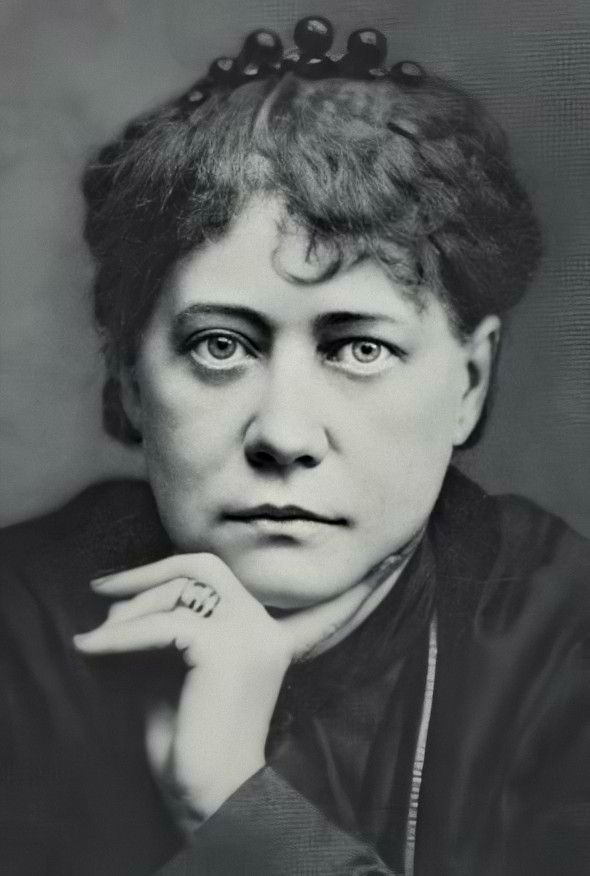
Helena Blavatsky was born into an aristocratic family in Yekaterinoslav, Ukraine, on August 12, 1831. Her early life was marked by extensive travel throughout the Russian Empire, which would later influence her interests in Western esotericism. As a teenager, Blavatsky developed a passion for the works of Plato and Immanuel Kant, laying the groundwork for her future spiritual pursuits. Her self-education and curiosity led her to explore various philosophical and spiritual traditions, including those of Hinduism and Buddhism.
📚 Literary Career and Theosophical Society
In 1875, Blavatsky co-founded the Theosophical Society with Henry Steel Olcott in New York City. The society's mission was to explore the mysteries of nature and the universe, and to promote a deeper understanding of the spiritual principles underlying all religions. Blavatsky's writings, including her magnum opus The Secret Doctrine, would become the cornerstone of Theosophical teachings. Her work was influenced by various esoteric traditions, including Hermeticism and Alchemy, and she often referenced the works of Eliphas Levi and Paracelsus.
🔮 Spiritual Teachings and Legacy
Blavatsky's spiritual teachings emphasized the concept of the 'Masters of the Ancient Wisdom', a group of enlightened beings who were believed to possess profound knowledge and wisdom. According to Blavatsky, these masters had guided her on her spiritual journey and had imparted their wisdom to her during her travels. Her teachings also explored the idea of reincarnation and the concept of karma, drawing on the principles of Hinduism and Buddhism. The influence of Emanuel Swedenborg and Jacob Boehme can also be seen in her work, particularly in her emphasis on the importance of spiritual experience and the role of the imagination in spiritual growth.
🌎 Cultural Impact and Controversies
Helena Blavatsky's legacy continues to be felt in modern spiritual and esoteric circles. Her teachings have influenced a wide range of thinkers and movements, from Rudolf Steiner and Anthroposophy to Alice Bailey and the Lucis Trust. However, her life and teachings have also been the subject of controversy and criticism, with some accusing her of plagiarism and others questioning the validity of her spiritual claims. Despite these challenges, Blavatsky remains a fascinating and complex figure, whose work continues to inspire and provoke new generations of spiritual seekers.
Key Facts
- Year
- 1831-1891
- Origin
- Yekaterinoslav, Ukraine
- Category
- philosophy
- Type
- person
Frequently Asked Questions
What is Theosophy?
Theosophy is a spiritual movement founded by Helena Blavatsky and Henry Steel Olcott, emphasizing the synthesis of religion, philosophy, and science. It draws on various esoteric traditions, including Hermeticism and Alchemy, and explores the concept of the 'Masters of the Ancient Wisdom'. Theosophy has influenced a wide range of thinkers and movements, from Rudolf Steiner and Anthroposophy to Alice Bailey and the Lucis Trust.
What is the significance of The Secret Doctrine?
The Secret Doctrine is Helena Blavatsky's magnum opus, published in 1888. It is a comprehensive work that outlines the principles of Theosophy, exploring the mysteries of nature and the universe. The book draws on various esoteric traditions, including Hinduism and Buddhism, and references the works of Eliphas Levi and Paracelsus. The Secret Doctrine has had a profound influence on modern spirituality and continues to be studied by scholars and spiritual seekers today.
What is the controversy surrounding Blavatsky's spiritual claims?
Helena Blavatsky's spiritual claims, including her encounters with the 'Masters of the Ancient Wisdom', have been the subject of controversy and criticism. Some have accused her of plagiarism and others have questioned the validity of her spiritual experiences. Despite these challenges, Blavatsky remains a fascinating and complex figure, whose work continues to inspire and provoke new generations of spiritual seekers. The controversy surrounding her claims has led to ongoing debates and discussions within the Theosophical community and beyond.
How has Blavatsky's work influenced modern spirituality?
Helena Blavatsky's work has had a profound influence on modern spirituality, inspiring a wide range of thinkers and movements. Her teachings have influenced Rudolf Steiner and Anthroposophy, as well as Alice Bailey and the Lucis Trust. Her emphasis on the importance of spiritual experience and the role of the imagination in spiritual growth has also influenced the development of various spiritual practices and traditions. The influence of Blavatsky's work can be seen in the many spiritual and esoteric movements that have emerged in the 20th and 21st centuries.
What is the significance of Blavatsky's travels and encounters with spiritual adepts?
Helena Blavatsky's travels and encounters with spiritual adepts, including the 'Masters of the Ancient Wisdom', played a significant role in shaping her spiritual teachings and worldview. Her experiences in Tibet and India exposed her to various esoteric traditions and spiritual practices, which she later incorporated into her teachings. The influence of Emanuel Swedenborg and Jacob Boehme can also be seen in her work, particularly in her emphasis on the importance of spiritual experience and the role of the imagination in spiritual growth.