
Contents
Overview
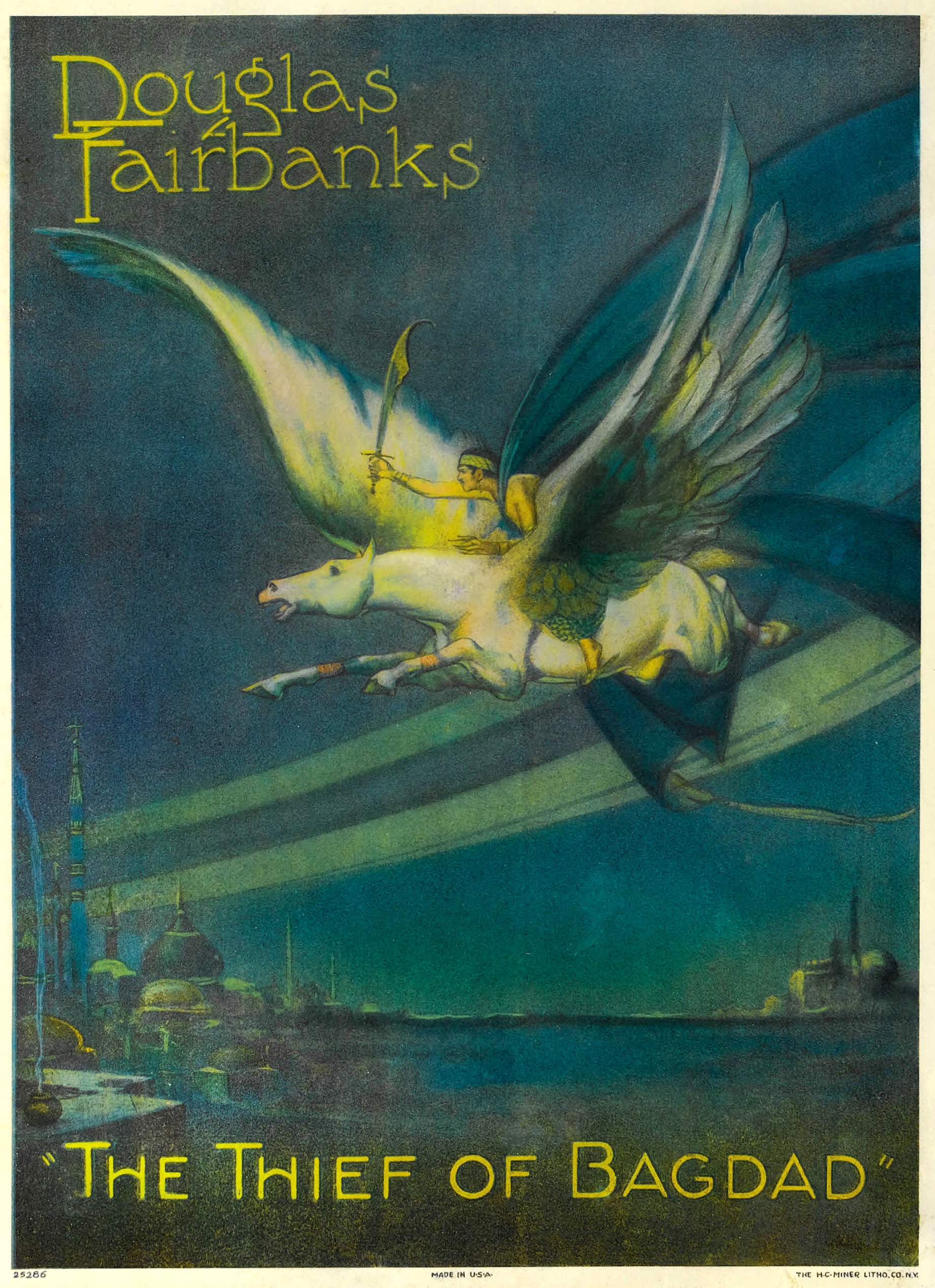
Ancient epics like Homer's Odyssey and the Volsunga Saga were likely performed with musical accompaniment, imbuing tales of gods, heroes, and monsters with sonic power. The development of opera in the 17th century marked a significant step, directly merging dramatic narrative with elaborate musical composition to explore mythological themes. Later, Richard Wagner's monumental music dramas, such as the Der Ring des Nibelungen, pushed the boundaries further, creating immersive sonic worlds for epic fantasy narratives. The advent of cinema in the early 20th century provided a new canvas, with early fantasy films like The Thief of Bagdad utilizing evocative scores to enhance their magical elements. Composers like Max Steiner and Bernard Herrmann would later define the sound of cinematic fantasy, laying the groundwork for the genre's explosion in the latter half of the century.
⚙️ How It Works
Musical fantasy operates by employing specific sonic techniques to evoke fantastical elements. Orchestral scores, often featuring sweeping melodies and dramatic crescendos, are used to build epic scope and grandeur, as seen in the soundtracks for films like The Lord of the Rings trilogy by Howard Shore. Synthesizers and electronic music are frequently utilized to create alien soundscapes or magical effects, a technique prominent in the scores for Doctor Who by Ron Grainer and Delia Derbyshire. Folk and traditional instruments can ground fantasy narratives in specific cultural mythologies or create an ancient, mystical atmosphere, exemplified by the use of Celtic harps in scores for The Witcher. Lyrical content often plays a crucial role, with songs directly narrating magical events, character backstories, or the lore of the fantasy world, as is common in musicals like Wicked. The interplay between melody, harmony, rhythm, and timbre is carefully orchestrated to suspend disbelief and immerse the listener in an imagined reality.
📊 Key Facts & Numbers
Over 50 major fantasy films are released annually, each typically featuring an original score. The success of fantasy-themed productions in musical theatre, such as The Lion King, demonstrates significant audience engagement with the genre's sonic output. The digital music streaming market also sees substantial listener interest in fantasy-inspired music.
👥 Key People & Organizations
Pioneering composers and artists have shaped musical fantasy. Howard Shore is renowned for his intricate, leitmotif-driven scores for The Lord of the Rings films, earning him multiple Academy Awards. John Williams crafted indelible musical themes for iconic fantasy franchises such as Star Wars and Harry Potter, solidifying their place in popular culture. Joe Hisaishi's collaborations with Studio Ghibli, including scores for Spirited Away and Howl's Moving Castle, are celebrated for their emotional depth and whimsical charm. In video games, composers like Nobuo Uematsu (known for the Final Fantasy series) and Koji Kondo (creator of the The Legend of Zelda theme) have created some of the most recognizable and beloved musical pieces in interactive media. Organizations like the London Symphony Orchestra and Hollywood Bowl Orchestra frequently perform and record fantasy film scores, bringing these works to life for live audiences.
🌍 Cultural Impact & Influence
Musical fantasy has profoundly influenced popular culture, shaping our collective imagination and providing soundtracks to cherished childhood memories. The soaring themes from Star Wars by John Williams are instantly recognizable globally, demonstrating music's power to define fictional universes. The success of musicals like Wicked has introduced new generations to fantasy narratives through song, with its hit song "Defying Gravity" becoming an anthem for empowerment. Video game music, particularly from franchises like The Legend of Zelda and Final Fantasy, has transcended its medium, with orchestral concerts dedicated to these scores selling out venues worldwide. This genre has also inspired countless fan communities, leading to extensive cosplay, fan fiction, and tribute music that further extends the reach of these fantastical worlds and their sonic identities. The aesthetic of musical fantasy often bleeds into fashion and visual arts, creating a holistic cultural experience.
⚡ Current State & Latest Developments
The landscape of musical fantasy is currently dynamic, driven by advancements in technology and evolving media consumption. The rise of AI music generation tools is beginning to impact how fantasy scores are composed, with some independent creators experimenting with AI-assisted workflows for soundtracks in indie games and short films. Streaming platforms like Spotify and Apple Music are seeing increased curation of fantasy-themed playlists, reflecting sustained listener interest. The success of live-action adaptations of fantasy novels, such as The Witcher on Netflix, continues to drive demand for original, epic scores. Furthermore, the increasing popularity of virtual reality (VR) experiences offers new avenues for immersive musical fantasy, where sound design and music are critical to creating believable, magical virtual environments. The video game industry remains a primary engine, with major releases like Elden Ring consistently delivering critically acclaimed fantasy soundtracks.
🤔 Controversies & Debates
A significant debate within musical fantasy revolves around the balance between originality and adherence to genre conventions. Critics sometimes argue that many fantasy scores rely too heavily on established tropes – the heroic fanfare, the ethereal choir, the ominous low brass – leading to a sense of predictability. Conversely, proponents contend that these conventions are effective precisely because they tap into a shared cultural understanding of what constitutes 'epic' or 'magical' sound. Another point of contention is the increasing commercialization of fantasy music, with some questioning whether the drive for blockbuster appeal compromises artistic integrity. The role of AI music generation in composing fantasy scores also sparks debate, with concerns about authorship, originality, and the potential displacement of human composers.
🔮 Future Outlook & Predictions
The future of musical fantasy appears robust, poised for further innovation and expansion. Expect to see greater integration of interactive music systems in video games and VR, where the score dynamically adapts to player actions and choices, creating truly personalized fantastical experiences. The influence of global music traditions will likely continue to grow, enriching fantasy soundscapes with diverse instrumentation and melodic structures, moving beyond traditional Western orchestral dominance. As AI music generation matures, it may become a more integrated tool for composers, potentially democratizing score creation for smaller projects. Furthermore, the continued success of fantasy franchises across film, television, and gaming suggests a sustained demand for high-quality musical scores that enhance these immersive worlds.
Key Facts
- Category
- culture
- Type
- topic