
Contents
Overview
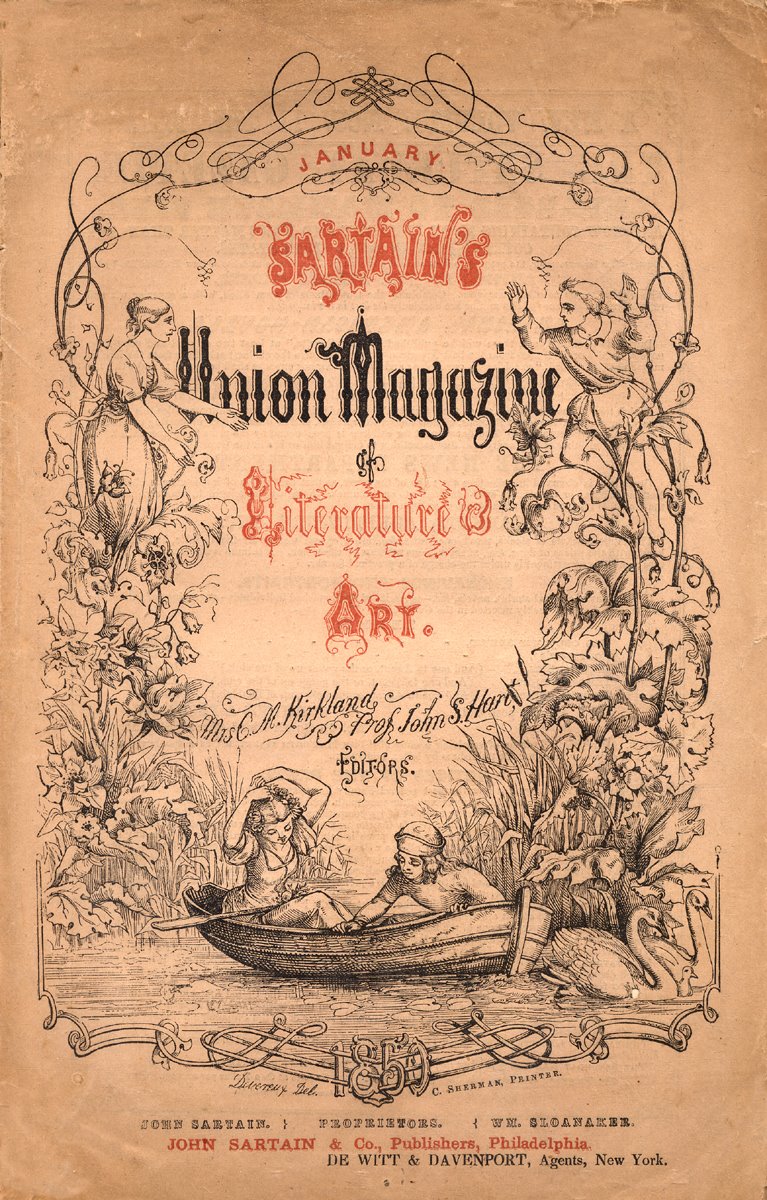
Penned shortly before his own death, "Annabel Lee" is Edgar Allan Poe's final completed poem, a poignant testament to his fascination with the death of beautiful women. While the exact date of composition remains debated, it is widely accepted that Poe wrote it in the months leading up to his passing. The poem was first published in the New York Daily Tribune, and later appeared in the New York Evening Mirror. Its themes of eternal love and the supernatural resonate with Poe's earlier works like "The Raven," showcasing a consistent exploration of grief and the afterlife. The poem's genesis is often linked to Poe's personal tragedies, particularly the illness and death of his young wife, Virginia Eliza Clemm Poe, though definitive proof of her being the sole inspiration remains elusive.
⚙️ Poetic Structure & Themes
The structure of "Annabel Lee" is characterized by its musicality and melancholic rhythm, employing a ballad-like form with distinct stanzas and a recurring rhyme scheme (ABABCB in most stanzas, with variations). Poe masterfully uses repetition, particularly the name "Annabel Lee" and the phrase "in the kingdom by the sea," to create an incantatory effect that draws the reader into the narrator's obsessive grief. The central theme revolves around an idealized, almost supernatural love that transcends death, positing that the souls of the lovers remain eternally connected, even beyond the grave. This exploration of love's persistence in the face of mortality, coupled with the narrator's fervent devotion, positions the poem as a quintessential example of Gothic literature and Romanticism.
📊 Key Facts & Numbers
The poem's enduring popularity is evidenced by its frequent inclusion in anthologies. The theme of a "beautiful woman's death" appears in many of Poe's poems, with "Annabel Lee" being the last and arguably most famous instance. The poem's emotional intensity and lyrical quality have contributed to its sustained cultural presence.
👥 Key Figures & Inspirations
The primary figure associated with "Annabel Lee" is its author, Edgar Allan Poe, a towering figure in American literature known for his tales of mystery and the macabre. While Poe himself is the creator, speculation about the poem's muse has centered on several women. The most frequently cited candidate is Poe's wife, Virginia Eliza Clemm Poe, who died from tuberculosis. Other proposed inspirations include Sarah Elmira Royster, Poe's childhood sweetheart, and even a young girl named Annabel Lee Stansbury, though evidence for these is less substantial. The narrator's intense, almost pathological devotion to Annabel Lee also reflects Poe's own complex emotional landscape and his struggles with loss.
🌍 Cultural Impact & Influence
The cultural footprint of "Annabel Lee" is immense, permeating various artistic domains. It has inspired countless musical adaptations, including songs by The Rolling Stones, Joan Baez, and Van Morrison. The poem's imagery and themes have also influenced visual arts, with numerous paintings and illustrations capturing its ethereal and melancholic mood. Its narrative structure and exploration of obsessive love have been referenced in film and television, solidifying its status as a touchstone for tales of tragic romance. The phrase "kingdom by the sea" has entered the popular lexicon, often evoking a sense of wistful nostalgia or a fantastical, lost realm.
⚡ Reception & Analysis
Upon its posthumous publication, "Annabel Lee" was met with considerable acclaim, though its reception was intertwined with the public's fascination and speculation surrounding Poe's life and death. Literary critics at the time recognized its lyrical beauty and emotional depth, even as some found its themes morbid. Modern analysis continues to praise its musicality, its exploration of universal themes of love and loss, and its masterful use of language. The poem is consistently ranked among Poe's greatest works, celebrated for its haunting atmosphere and the raw emotional power conveyed through its deceptively simple narrative.
🤔 Controversies & Debates
The primary controversy surrounding "Annabel Lee" lies in the identity of its titular muse. While Edgar Allan Poe never explicitly named his inspiration, the prevailing theory points to his wife, Virginia Eliza Clemm Poe, whose death deeply affected him. However, the poem's intensely romanticized portrayal of love and loss has led some critics to question whether it represents an idealized memory rather than a direct biographical account. The debate over whether Annabel Lee was a real person or a symbolic representation of lost innocence and love continues to fuel literary scholarship and public fascination with Poe's personal life and creative process.
🔮 Legacy & Enduring Appeal
The enduring appeal of "Annabel Lee" lies in its timeless exploration of love, loss, and the human desire for connection that defies even death. Poe's masterful use of language and rhythm creates a hauntingly beautiful and emotionally resonant experience that continues to captivate readers. The poem's themes of eternal love and the supernatural resonate across generations, making it a staple in literature curricula and a beloved piece for public recitation. Its ability to evoke profound emotion and spark imaginative interpretation ensures its continued relevance in the literary canon and popular culture.
💡 Adaptations & Interpretations
Beyond its literary origins, "Annabel Lee" has been adapted into numerous artistic forms. Musical interpretations range from folk ballads to rock anthems, with artists like The Rolling Stones incorporating its lyrics into their work. The poem's narrative has also been visualized in various art forms, including paintings by Edmund Dulac and Arthur Rackham, who sought to capture its dreamlike and melancholic atmosphere. Film adaptations, though less common, have attempted to translate its poetic intensity to the screen, often focusing on the tragic romance and supernatural elements. These diverse interpretations highlight the poem's adaptability and its power to inspire creative expression across different media.
Key Facts
- Category
- culture
- Type
- song