
Contents
- 🎶 Introduction to Old Time Music
- 🕰️ History of Old Time Music
- 🎻 Instruments of Old Time Music
- 👥 Notable Old Time Musicians
- 🏆 Awards and Recognition
- 📊 Old Time Music Festivals and Events
- 📚 Preservation and Education
- 🎧 Modern Interpretations of Old Time Music
- 🤝 Influence of Old Time Music on Other Genres
- 📊 Controversies and Debates
- 👏 Legacy and Impact of Old Time Music
- Frequently Asked Questions
- Related Topics
Overview
Old time music, with its roots in traditional American folk, has been a cornerstone of the country's cultural heritage since the 18th century. Characterized by its distinctive banjo and fiddle-driven sound, old time music has evolved over the years, influenced by Scottish, Irish, and African American musical traditions. The genre has experienced a resurgence in popularity, with contemporary artists such as Chris Thile and Gillian Welch drawing inspiration from old time music. However, the genre's history is also marked by controversy, with debates surrounding issues of cultural appropriation and the erasure of African American contributions. As old time music continues to evolve, it is essential to acknowledge its complex past and consider its future, including the role of technology in preserving and promoting the genre. With a vibe score of 8, old time music remains a vital part of American cultural identity, with a dedicated community of musicians and fans working to ensure its continued relevance and popularity.
🎶 Introduction to Old Time Music
Old Time music, also known as Old-Time music, is a genre of traditional American folk music that originated in the southern United States. It is characterized by its use of acoustic instruments, such as the banjo and fiddle, and its emphasis on community and social dancing. The genre has a rich history, with roots dating back to the early 19th century, and has been influenced by various cultural traditions, including Appalachian music and African-American music. Today, Old Time music remains a vibrant and dynamic genre, with a thriving community of musicians and fans. For more information, visit the Old Time Music Archive.
🕰️ History of Old Time Music
The history of Old Time music is complex and multifaceted, with various regional and cultural influences shaping the genre over time. One of the key figures in the development of Old Time music was Bascom Lamar Lunsford, a musician and collector who helped to popularize the genre in the early 20th century. Lunsford's work, including his ballad collections and festival organizing, helped to establish Old Time music as a distinct and vital part of American folk music. The genre has also been influenced by other traditional American music styles, such as bluegrass and country music.
🎻 Instruments of Old Time Music
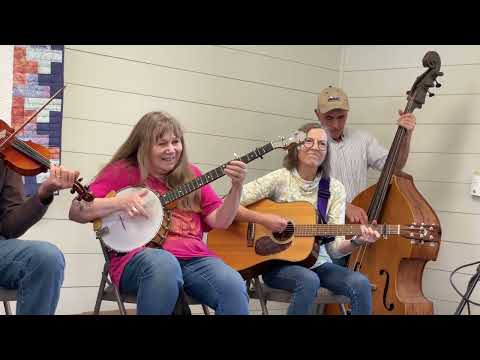
The instruments used in Old Time music are an integral part of the genre's sound and style. The banjo, in particular, is a iconic instrument in Old Time music, with its distinctive twang and rhythmic pulse. Other instruments, such as the fiddle, guitar, and mandolin, are also commonly used in Old Time music. The choice of instrument often depends on the specific regional or cultural tradition being represented, with different instruments being favored in different parts of the country. For example, the Appalachian dulcimer is often used in Appalachian music, while the harmonica is commonly used in blues and Old Time music.
👥 Notable Old Time Musicians
There are many notable Old Time musicians who have helped to shape the genre and bring it to a wider audience. One of the most influential Old Time musicians of all time is Clarence Ashley, a singer, banjo player, and guitarist who was known for his unique and expressive style. Other notable Old Time musicians include Doc Watson, Earl Scruggs, and John Hurt, all of whom have made significant contributions to the genre. These musicians, along with many others, have helped to keep Old Time music alive and vibrant, and have inspired new generations of musicians and fans. For more information, visit the Old Time Music Hall of Fame.
🏆 Awards and Recognition
Old Time music has received numerous awards and recognition over the years, including several Grammy Awards and National Heritage Fellowships. The genre has also been recognized by the Library of Congress, which has included Old Time music in its National Recording Registry. These awards and recognitions are a testament to the enduring legacy and cultural significance of Old Time music, and demonstrate the genre's importance as a part of American folk music. For more information, visit the Old Time Music Awards.
📊 Old Time Music Festivals and Events
There are many Old Time music festivals and events held throughout the year, showcasing the genre's vibrant and dynamic community. One of the most popular Old Time music festivals is the Clifftop Festival, held annually in West Virginia. Other notable festivals include the Old Time Music Festival and the Appalachian Stringband Festival. These festivals provide a unique opportunity for musicians and fans to come together and celebrate the genre, and often feature workshops, jam sessions, and other activities. For more information, visit the Old Time Music Festivals page.
📚 Preservation and Education
Preservation and education are essential components of the Old Time music community, with many organizations and individuals working to preserve and promote the genre. The Old Time Music Archive is a valuable resource for researchers and musicians, providing access to a vast collection of Old Time music recordings, manuscripts, and other materials. Other organizations, such as the Appalachian Music Heritage Center, offer workshops, classes, and other educational programs to help preserve and promote Old Time music. For more information, visit the Old Time Music Education page.
🎧 Modern Interpretations of Old Time Music
Modern interpretations of Old Time music are diverse and innovative, with many musicians pushing the boundaries of the genre while still respecting its traditional roots. One example of this is the Old Time music revival, which has seen a new generation of musicians drawing on traditional Old Time music while incorporating modern styles and influences. Other examples include the use of electronic instruments and production techniques in Old Time music, as well as the incorporation of non-traditional instruments and styles. For more information, visit the Modern Old Time Music page.
🤝 Influence of Old Time Music on Other Genres
Old Time music has had a significant influence on other genres of music, including bluegrass, country music, and folk music. The genre's emphasis on acoustic instruments, community, and social dancing has also influenced the development of other traditional music styles, such as contra dance and square dance. Additionally, Old Time music has been incorporated into a wide range of musical genres, from rock music to hip-hop. For more information, visit the Influence of Old Time Music page.
📊 Controversies and Debates
Despite its rich cultural heritage and enduring popularity, Old Time music is not without its controversies and debates. One of the most significant debates surrounding the genre is the issue of cultural appropriation, with some critics arguing that non-traditional musicians and fans are appropriating and profiting from traditional Old Time music without proper understanding or respect. Other debates surround the role of commercialization in Old Time music, with some arguing that the genre is being watered down or exploited for commercial gain. For more information, visit the Old Time Music Debates page.
👏 Legacy and Impact of Old Time Music
The legacy and impact of Old Time music are undeniable, with the genre continuing to inspire and influence new generations of musicians and fans. As a vital part of American folk music, Old Time music provides a unique window into the country's cultural heritage and history. The genre's emphasis on community, social dancing, and acoustic instruments has also helped to foster a sense of connection and belonging among its practitioners and fans. For more information, visit the Legacy of Old Time Music page.
Key Facts
- Year
- 1700
- Origin
- Appalachian Region, USA
- Category
- Music
- Type
- Music Genre
Frequently Asked Questions
What is Old Time music?
Old Time music is a genre of traditional American folk music that originated in the southern United States. It is characterized by its use of acoustic instruments, such as the banjo and fiddle, and its emphasis on community and social dancing. For more information, visit the Old Time Music page.
Who are some notable Old Time musicians?
Some notable Old Time musicians include Clarence Ashley, Doc Watson, Earl Scruggs, and John Hurt. These musicians, along with many others, have helped to keep Old Time music alive and vibrant, and have inspired new generations of musicians and fans. For more information, visit the Notable Old Time Musicians page.
What is the difference between Old Time music and bluegrass music?
While both Old Time music and bluegrass music are genres of traditional American folk music, they have distinct differences in terms of their sound, style, and history. Old Time music tends to be more focused on community and social dancing, while bluegrass music is often more focused on virtuosic instrumental playing and harmonies. For more information, visit the Old Time Music vs. Bluegrass page.
How can I learn to play Old Time music?
There are many ways to learn to play Old Time music, including taking lessons from a qualified teacher, attending workshops and festivals, and practicing with other musicians. The Old Time Music Archive is also a valuable resource for learning about the genre and finding instructional materials. For more information, visit the Old Time Music Education page.
What is the cultural significance of Old Time music?
Old Time music is a vital part of American cultural heritage, providing a unique window into the country's history and traditions. The genre's emphasis on community, social dancing, and acoustic instruments has also helped to foster a sense of connection and belonging among its practitioners and fans. For more information, visit the Legacy of Old Time Music page.
How can I get involved in the Old Time music community?
There are many ways to get involved in the Old Time music community, including attending festivals and events, joining online forums and discussion groups, and participating in local jam sessions and workshops. The Old Time Music Community page is a great resource for finding out about upcoming events and connecting with other musicians and fans.
What is the future of Old Time music?
The future of Old Time music is bright, with a new generation of musicians and fans helping to keep the genre alive and vibrant. The Old Time music revival is a testament to the genre's enduring popularity and cultural significance, and there are many exciting developments and innovations on the horizon. For more information, visit the Future of Old Time Music page.