
Contents
- 🔥 Introduction to Goth Punk
- 🎸 The Evolution of Gothic Rock
- 🕷️ Early Influencers: Post-Punk Bands
- 🔴 The Darker Side: Gothic Literature and Nihilism
- 🎶 Musical Characteristics: Minor Chords and Reverb
- 👻 The Emergence of Goth Punk: A Fusion of Styles
- 🕸️ The Role of Poetry and Tragedy in Goth Punk
- 🔮 The Influence of Dark Romanticism
- 📀 Notable Bands and Artists: A New Wave of Goth Punk
- 🌐 The Global Reach of Goth Punk: A Cultural Phenomenon
- 🤔 Controversies and Criticisms: The Goth Punk Scene
- 🔜 The Future of Goth Punk: Where is the Genre Heading?
- Frequently Asked Questions
- Related Topics
Overview
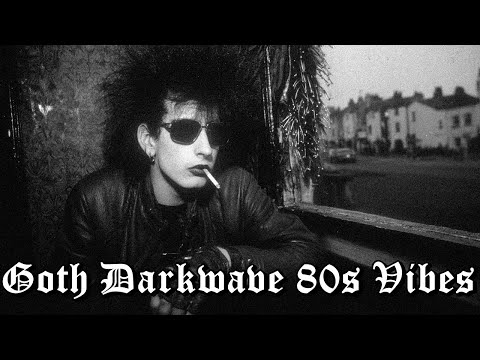
Goth punk, a genre born out of the late 1970s and early 1980s post-punk scene, combines the energy and rebelliousness of punk with the dark, introspective qualities of gothic rock. Bands like The Damned, The Cure, and Siouxsie and the Banshees are often cited as influences, with their blend of catchy hooks, driving rhythms, and macabre aesthetics. The goth punk movement gained momentum in the UK, particularly in London, where clubs like the Batcave became hubs for the scene. With a vibe score of 8, goth punk's cultural energy is characterized by its intense, emotional soundscapes and unapologetic individuality. As the genre continues to evolve, its influence can be seen in contemporary bands and artists who push the boundaries of dark, experimental music. With a controversy spectrum of 6, goth punk's perceived darkness and nihilism have sparked debates about its impact on youth culture and society. The genre's entity relationships include key figures like Robert Smith, Siouxsie Sioux, and Nick Cave, who have all contributed to its development and legacy.
🔥 Introduction to Goth Punk
Goth punk, a subgenre of rock music, has its roots in the late 1970s British post-punk scene. This genre is characterized by its dark and introspective sound, often drawing from Gothic literature, nihilism, and dark romanticism. Bands like Siouxsie and the Banshees and Joy Division were among the first to experiment with this new sound, which would eventually evolve into the goth punk genre. The Cure is another notable band that contributed to the development of goth punk, with their early work showcasing a darker, more melancholic tone. As the genre progressed, it drew inspiration from various sources, including poetry and tragedy.
🎸 The Evolution of Gothic Rock
The evolution of gothic rock is a fascinating story, with its roots in the post-punk movement of the late 1970s. Bands like Bauhaus and The Chameleons were instrumental in shaping the sound of goth punk, with their emphasis on minor chords, reverb, and dark arrangements. The genre continued to grow and evolve throughout the 1980s, with the emergence of new bands and artists. Depeche Mode is another notable band that contributed to the development of goth punk, with their dark and introspective soundscapes. As the genre progressed, it drew inspiration from various sources, including Gothic architecture and dark fantasy.
🕷️ Early Influencers: Post-Punk Bands
The early influencers of goth punk were primarily post-punk bands, who experimented with new sounds and styles. Siouxsie and the Banshees and Joy Division were among the first to explore the darker side of rock music, with their emphasis on melancholic melodies and dark arrangements. Other notable bands, such as The Cure and Echo and the Bunnymen, also contributed to the development of goth punk. These bands drew inspiration from various sources, including Gothic literature and nihilism. As the genre progressed, it continued to evolve and incorporate new influences, including poetry and tragedy.
🔴 The Darker Side: Gothic Literature and Nihilism
Gothic literature and nihilism are two of the primary influences on the goth punk genre. The works of Edgar Allan Poe and Mary Shelley are often cited as inspirations by goth punk bands, with their dark and introspective themes. Nihilism is another key influence, with its emphasis on the meaninglessness of life and the futility of human existence. Bands like The Cure and Depeche Mode have explored these themes in their music, often incorporating elements of dark romanticism and poetry. As the genre progressed, it continued to draw inspiration from these sources, resulting in a unique and captivating sound.
🎶 Musical Characteristics: Minor Chords and Reverb
The musical characteristics of goth punk are distinct and recognizable, with an emphasis on minor chords, reverb, and dark arrangements. Bands like Siouxsie and the Banshees and Joy Division were among the first to experiment with these sounds, creating a dark and introspective atmosphere. The use of melancholic melodies and distorted guitars is also a key element of the goth punk sound, adding to the overall sense of tension and foreboding. As the genre progressed, it continued to evolve and incorporate new influences, including electronic music and industrial music.
👻 The Emergence of Goth Punk: A Fusion of Styles
The emergence of goth punk as a distinct genre is a fascinating story, with its roots in the post-punk movement of the late 1970s. The fusion of different styles, including post-punk, gothic rock, and punk, resulted in a unique and captivating sound. Bands like The Cure and Depeche Mode were among the first to experiment with this new sound, which would eventually become known as goth punk. As the genre progressed, it drew inspiration from various sources, including poetry and tragedy. The use of dark imagery and symbolism is also a key element of the goth punk aesthetic, adding to the overall sense of mystery and intrigue.
🕸️ The Role of Poetry and Tragedy in Goth Punk
The role of poetry and tragedy in goth punk is significant, with many bands drawing inspiration from these sources. The works of Edgar Allan Poe and John Keats are often cited as influences, with their dark and introspective themes. Tragedy is another key influence, with its emphasis on the human condition and the suffering of individuals. Bands like The Cure and Depeche Mode have explored these themes in their music, often incorporating elements of dark romanticism and Gothic literature. As the genre progressed, it continued to draw inspiration from these sources, resulting in a unique and captivating sound.
🔮 The Influence of Dark Romanticism
The influence of dark romanticism on goth punk is profound, with its emphasis on the beauty of death and the transience of human existence. The works of John Keats and Percy Bysshe Shelley are often cited as influences, with their dark and introspective themes. Dark romanticism is a key element of the goth punk aesthetic, with its emphasis on dark imagery and symbolism. Bands like The Cure and Depeche Mode have explored these themes in their music, often incorporating elements of Gothic literature and nihilism. As the genre progressed, it continued to evolve and incorporate new influences, including electronic music and industrial music.
📀 Notable Bands and Artists: A New Wave of Goth Punk
Notable bands and artists have contributed to the development of goth punk, including The Cure, Depeche Mode, and Siouxsie and the Banshees. These bands have explored the darker side of rock music, often incorporating elements of Gothic literature, nihilism, and dark romanticism. The use of minor chords, reverb, and dark arrangements is a key element of the goth punk sound, adding to the overall sense of tension and foreboding. As the genre progressed, it continued to evolve and incorporate new influences, including electronic music and industrial music.
🌐 The Global Reach of Goth Punk: A Cultural Phenomenon
The global reach of goth punk is significant, with the genre having a profound influence on the music scene worldwide. Bands like The Cure and Depeche Mode have achieved international success, with their music being played and enjoyed by fans all over the world. The use of dark imagery and symbolism is a key element of the goth punk aesthetic, adding to the overall sense of mystery and intrigue. As the genre progressed, it continued to evolve and incorporate new influences, including electronic music and industrial music. The goth punk scene has also been the subject of controversy and criticism, with some critics accusing the genre of being overly negative and pessimistic.
🤔 Controversies and Criticisms: The Goth Punk Scene
Controversies and criticisms have surrounded the goth punk scene, with some critics accusing the genre of being overly negative and pessimistic. The use of dark imagery and symbolism has been criticized by some, who see it as promoting a negative and unhealthy worldview. However, fans of the genre argue that goth punk is a legitimate form of artistic expression, and that it provides a necessary outlet for emotions and feelings. As the genre progressed, it continued to evolve and incorporate new influences, including electronic music and industrial music. The goth punk scene has also been the subject of academic study, with scholars exploring its cultural and historical significance.
🔜 The Future of Goth Punk: Where is the Genre Heading?
The future of goth punk is uncertain, with the genre continuing to evolve and incorporate new influences. The use of electronic music and industrial music has added a new dimension to the goth punk sound, with bands like The Cure and Depeche Mode experimenting with new sounds and styles. As the genre progresses, it is likely to continue to draw inspiration from various sources, including poetry and tragedy. The goth punk scene has also been the subject of controversy and criticism, with some critics accusing the genre of being overly negative and pessimistic. However, fans of the genre argue that goth punk is a legitimate form of artistic expression, and that it provides a necessary outlet for emotions and feelings.
Key Facts
- Year
- 1979
- Origin
- London, UK
- Category
- Music
- Type
- Music Genre
Frequently Asked Questions
What is goth punk?
Goth punk is a subgenre of rock music that originated in the late 1970s. It is characterized by its dark and introspective sound, often drawing from Gothic literature, nihilism, and dark romanticism. The genre is known for its use of minor chords, reverb, and dark arrangements, creating a sense of tension and foreboding. Goth punk has been influenced by various sources, including poetry and tragedy, and has been the subject of controversy and criticism.
What are the key characteristics of goth punk music?
The key characteristics of goth punk music include the use of minor chords, reverb, and dark arrangements. The genre is also known for its emphasis on melancholic melodies and distorted guitars, adding to the overall sense of tension and foreboding. The use of dark imagery and symbolism is also a key element of the goth punk aesthetic, adding to the overall sense of mystery and intrigue.
What are some notable bands and artists in the goth punk genre?
Notable bands and artists in the goth punk genre include The Cure, Depeche Mode, and Siouxsie and the Banshees. These bands have explored the darker side of rock music, often incorporating elements of Gothic literature, nihilism, and dark romanticism. The use of minor chords, reverb, and dark arrangements is a key element of the goth punk sound, adding to the overall sense of tension and foreboding.
What is the cultural significance of goth punk?
The cultural significance of goth punk is significant, with the genre having a profound influence on the music scene worldwide. The genre has been the subject of controversy and criticism, with some critics accusing it of being overly negative and pessimistic. However, fans of the genre argue that goth punk is a legitimate form of artistic expression, and that it provides a necessary outlet for emotions and feelings.
What is the future of goth punk?
The future of goth punk is uncertain, with the genre continuing to evolve and incorporate new influences. The use of electronic music and industrial music has added a new dimension to the goth punk sound, with bands like The Cure and Depeche Mode experimenting with new sounds and styles. As the genre progresses, it is likely to continue to draw inspiration from various sources, including poetry and tragedy.