
Contents
Overview
The murmillo class of gladiators originated in the early Imperial period, specifically during the reign of Augustus (27 BCE to 14 CE), as a replacement for the earlier Gallus-type gladiator. The name 'murmillo' is derived from the Greek word μορμύρος (mormyrus), meaning a type of fish, which was often featured in the design of their helmets. This unique design element was likely inspired by the Greek art and culture that was prevalent in the Roman Empire at the time. Famous gladiators like Flamma and Verus competed in this class, and their stories have been passed down through history, often through the writings of Roman historians like Suetonius and Cassius Dio.
👊 How It Worked
The murmillo gladiators were known for their distinctive helmets, which were designed to resemble the heads of fish, complete with scales and fins. These helmets were often decorated with intricate designs and were made of leather or metal. The murmillo class was also known for their use of the gladius, a short sword that was commonly used by Roman soldiers. The gladius was an effective weapon in close combat, and the murmillo gladiators were trained to use it to devastating effect. The Roman legion's influence on the development of the murmillo class is evident in their tactics and training methods, which were often modeled after those of the Roman army.
👑 Cultural Impact
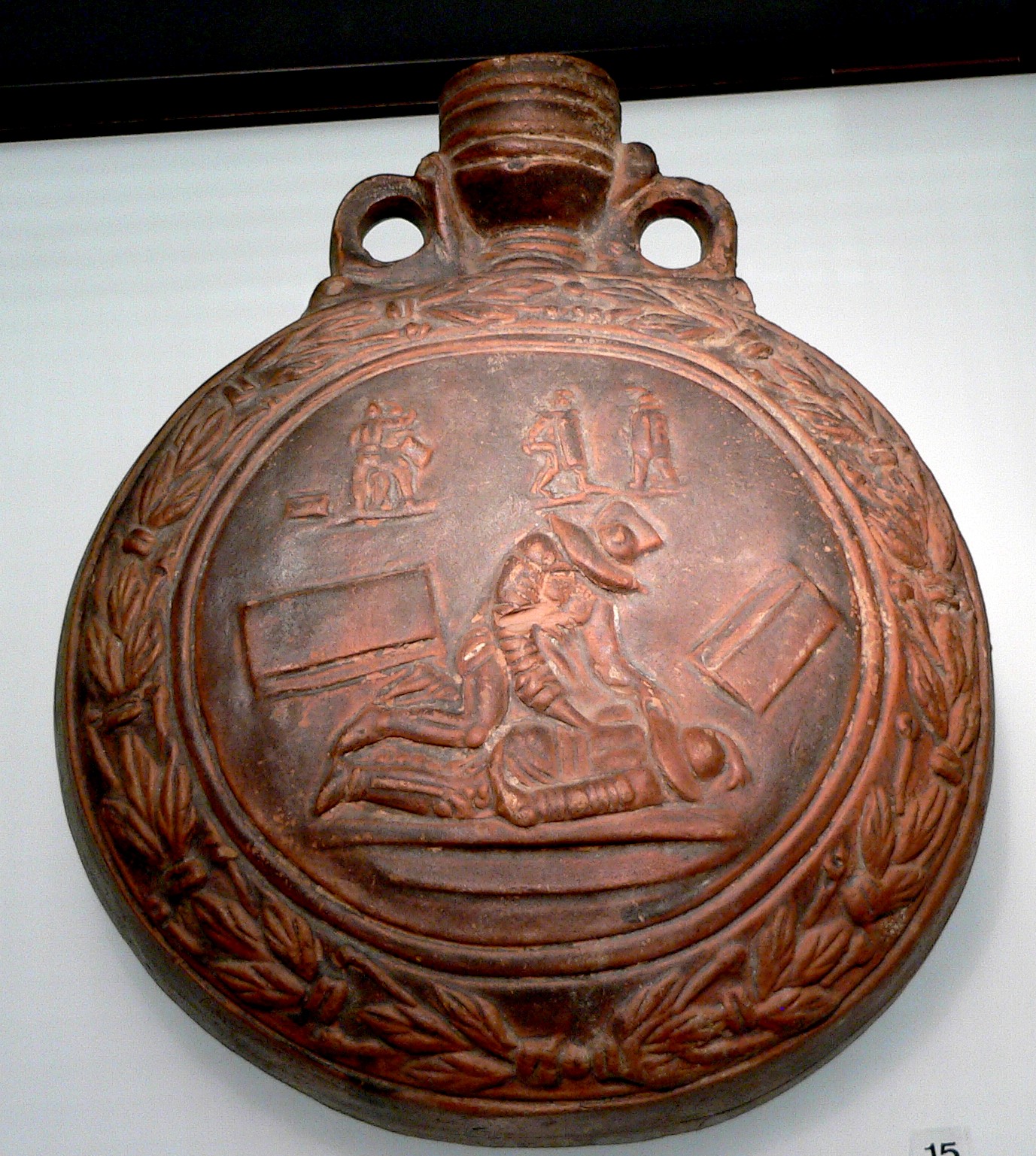
The cultural impact of the murmillo class of gladiators cannot be overstated. They were a popular attraction in the Roman games, and their unique helmets and fighting style made them a favorite among the crowds. The murmillo class was also seen as a symbol of Roman power and dominance, and their victories in the arena were often celebrated as a testament to the strength and prowess of the Roman Empire. The Colosseum, one of the most iconic landmarks in Rome, was often the venue for murmillo gladiatorial contests, and the Roman crowd would gather to watch these events, often with great enthusiasm and excitement. The murmillo class has also been featured in various forms of Roman art, including mosaics, sculptures, and paintings, which have helped to preserve their legacy for centuries.
🔪 Legacy & Future
The legacy of the murmillo class of gladiators continues to be felt today. Their unique helmets and fighting style have inspired countless works of art and literature, and their place in Roman history is still celebrated and studied by scholars around the world. The murmillo class has also had a lasting impact on the world of sports and entertainment, with their influence visible in everything from MMA to professional wrestling. The Olympic Games, which have a long history dating back to ancient Greece, have also been influenced by the murmillo class, with events like wrestling and boxing drawing inspiration from the gladiatorial contests of ancient Rome.
Key Facts
- Year
- 27 BCE - 14 CE
- Origin
- Roman Empire
- Category
- history
- Type
- concept
Frequently Asked Questions
What was the murmillo class of gladiators?
The murmillo class was a type of gladiator in ancient Rome, characterized by their distinctive helmets and use of the gladius. They were a popular attraction in the Roman games and were seen as a symbol of Roman power and dominance. The murmillo class was also known for their unique helmets, which were designed to resemble the heads of fish, complete with scales and fins. This design element was likely inspired by the Greek art and culture that was prevalent in the Roman Empire at the time.
What was the significance of the murmillo class?
The murmillo class was significant because they represented the power and dominance of the Roman Empire. They were also a popular attraction in the Roman games, and their unique helmets and fighting style made them a favorite among the crowds. The murmillo class has also had a lasting impact on the world of sports and entertainment, with their influence visible in everything from MMA to professional wrestling.
What was the role of the murmillo class in Roman society?
The murmillo class played a significant role in Roman society, as they were a popular form of entertainment and a symbol of Roman power and dominance. They were also seen as a way to demonstrate the strength and prowess of the Roman Empire, and their victories in the arena were often celebrated as a testament to the empire's greatness. The Roman crowd would gather to watch these events, often with great enthusiasm and excitement.
How did the murmillo class influence the development of sports and entertainment?
The murmillo class has had a lasting impact on the world of sports and entertainment, with their influence visible in everything from MMA to professional wrestling. The unique helmets and fighting style of the murmillo class have inspired countless works of art and literature, and their place in Roman history is still celebrated and studied by scholars around the world. The Olympic Games, which have a long history dating back to ancient Greece, have also been influenced by the murmillo class, with events like wrestling and boxing drawing inspiration from the gladiatorial contests of ancient Rome.
What is the legacy of the murmillo class today?
The legacy of the murmillo class continues to be felt today, with their influence visible in everything from sports and entertainment to art and literature. The unique helmets and fighting style of the murmillo class have inspired countless works of art and literature, and their place in Roman history is still celebrated and studied by scholars around the world. The Roman Empire's cultural exchange with other civilizations, including the Gauls and the Greeks, has also had a lasting impact on the development of Western culture.