
Contents
Overview
Mount Lee, an enigmatic force in the American rock scene, emerged from the dusty plains of Texas in the late 1990s. Their sound, a potent brew of Southern rock grit, psychedelic introspection, and a raw, unvarnished blues sensibility, quickly set them apart from the prevailing mainstream trends. They built a reputation for blistering live performances and a fiercely independent ethos, often shunning major label overtures in favor of self-distribution and a dedicated fanbase.
While never achieving the widespread commercial success of some contemporaries, Mount Lee cultivated a devoted following through relentless touring and a discography that consistently explored themes of existentialism, Americana, and the search for meaning in a chaotic world. Their music often features intricate guitar interplay, powerful vocal performances, and lyrics that eschew simple narratives for more complex, evocative imagery. The band's output is characterized by its sonic evolution, moving from rawer, blues-infused beginnings to more expansive, atmospheric arrangements over their career.
Formation and Early Years
Formed in Austin, Texas, in 1998, Mount Lee’s genesis can be traced to the shared musical passions of guitarist Caleb Jones and vocalist David Miller. Both had cut their teeth in various local outfits, absorbing the rich musical heritage of Texas – from the outlaw country of Willie Nelson to the blues-rock swagger of ZZ Top. Early gigs in dive bars and college towns saw them honing a sound that was both deeply rooted and forward-looking, drawing comparisons to bands like The Allman Brothers Band and The Black Crowes, yet with a distinct, introspective edge. Their debut, Dust & Echoes (2001), released on their own Lone Star Records imprint, garnered critical attention for its authentic sound and Miller's compelling lyrical narratives.
Discography and Evolution
Mount Lee’s career trajectory has been marked by a commitment to artistic integrity over commercial compromise. Albums like Crimson Sky (2005) and The Serpent’s Coil (2009) saw them experimenting with longer song structures and more complex arrangements, solidifying their reputation as a band that valued musical depth. Collaborations with renowned producer Rick Rubin on Whispers in the Canyon (2014) brought a new level of sonic polish, while still retaining the band’s signature rawness. Despite personnel changes over the years, including the notable addition of drummer Sarah Chen in 2010, the core of Jones and Miller has remained constant, driving their distinctive musical vision. Their live shows are legendary, often extending for hours and featuring extended improvisational jams that have become a hallmark of their concerts.
Artistic Legacy
The legacy of Mount Lee is that of a band that stayed true to its artistic compass. They represent a strain of American rock music that prioritizes authenticity, lyrical substance, and musical craftsmanship. While they may not have dominated the charts, their influence can be heard in a generation of indie and roots-rock musicians who value creative independence. Their ability to blend disparate genres into a cohesive whole, coupled with their unwavering dedication to their craft, has earned them a place as respected figures in the modern rock landscape. Their music continues to resonate with listeners seeking something more substantial than fleeting trends.
Cultural Significance
Culturally, Mount Lee embodies the spirit of independent American music. They are emblematic of artists who build careers through hard work, genuine artistry, and a direct connection with their audience, bypassing the traditional gatekeepers of the music industry. Their Texas roots imbue their work with a sense of place, exploring themes of landscape, identity, and the American experience through a distinctly Southern lens. Their music has found a home in various subcultures, appealing to fans of classic rock, psychedelic exploration, and earnest songwriting alike. The enduring appeal of Mount Lee lies in their ability to create music that feels both timeless and deeply personal, a rare feat in today's fast-paced musical environment.
Key Facts
- Year
- 1998-present
- Origin
- Austin, Texas
- Category
- music
- Type
- artist
Frequently Asked Questions
Can I hike directly to the Hollywood Sign?
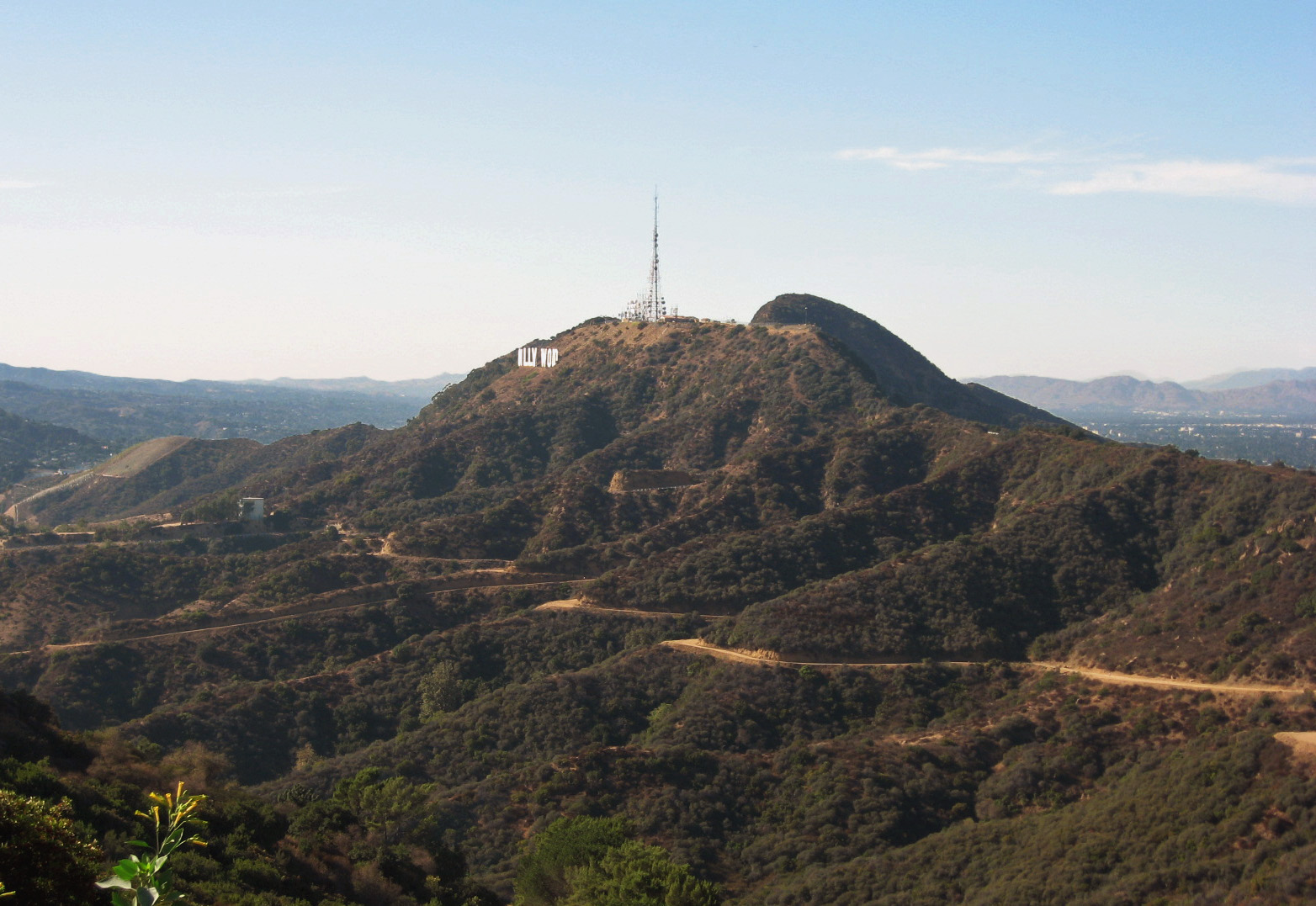
Yes, you can hike to viewpoints that offer close-up perspectives of the Hollywood Sign. The most popular route is the Hollywood Sign Trail, which starts from the bottom of the hill and leads to an area behind and above the sign. Other trails within Griffith Park also provide access. Remember that you cannot walk directly up to the sign itself due to fencing and preservation efforts.
What's the best time to visit Mount Lee for photos?
The 'golden hours' – shortly after sunrise and especially the hour before sunset – offer the most dramatic and beautiful lighting for photographing the Hollywood Sign and the Los Angeles basin. Weekday mornings tend to be less crowded than weekends. The Griffith Observatory also provides a fantastic vantage point for photos, particularly at dusk.
Is there an entrance fee for Mount Lee or Griffith Park?
Mount Lee and Griffith Park are generally free to enter. There is no admission fee for hiking the trails or visiting the areas around the Hollywood Sign. Parking fees may apply at specific lots, such as those for the Griffith Observatory or the Greek Theatre, depending on the day and time.
What should I bring for a hike on Mount Lee?
Essential items include plenty of water (especially during warmer months), sunscreen, a hat, comfortable hiking shoes with good traction, and a fully charged phone. Consider bringing a small backpack to carry snacks and any personal items. A camera is a must for capturing the iconic views. Downloading offline maps of the Griffith Park trail system is also highly recommended.
Are dogs allowed on Mount Lee trails?
Yes, dogs are generally allowed in Griffith Park, including on the trails around Mount Lee, but they must be kept on a leash at all times. Always clean up after your pet. Be aware that the trails can be steep and exposed, so ensure your dog is comfortable with such conditions, especially in hot weather.
How do I get to Mount Lee without a car?
Public transportation to the immediate trailheads of Mount Lee is limited. Your best bet is to take a bus or Metro rail to a point in Los Feliz or East Hollywood and then use a ride-sharing service (like Uber or Lyft) to get closer to the park entrances or parking areas like the Griffith Observatory. From there, you can begin your hike.