
Contents
Overview
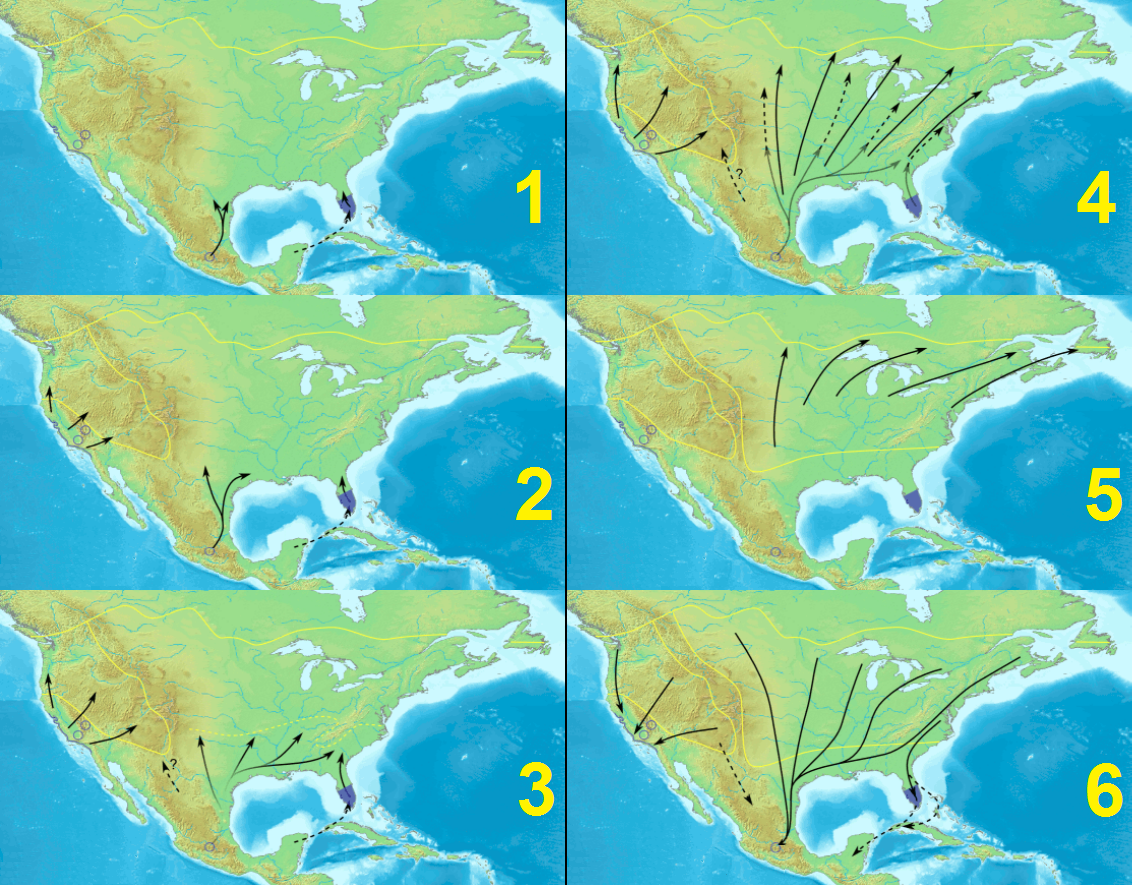
The story of monarch butterfly habitats is inextricably linked to the evolution of the monarch's migratory behavior, a phenomenon primarily observed in North America. While monarchs are found globally, the spectacular multi-generational migration from southern Canada and the United States to overwintering sites in Mexico and California is unique. Historically, these habitats were vast and relatively undisturbed, supporting immense butterfly populations. Indigenous peoples in Mexico, such as the Nahua, have long observed the arrival of the monarchs, integrating their presence into cultural narratives and understanding the importance of the oyamel fir forests where they cluster. The scientific understanding of these habitats, particularly the reliance on Asclepias species for larval development, began to solidify in the early to mid-20th century, with researchers like Fred Urquhart and his wife Norris Urquhart pioneering tagging studies that revealed the scale of the migration and the critical role of specific overwintering grounds.
⚙️ How It Works
Monarch butterfly habitats function as a complex, interconnected network essential for their annual life cycle and migration. During the spring and summer breeding seasons, monarchs require abundant Asclepias species across their northern range. Female monarchs lay their eggs exclusively on milkweed plants, and the emerging larvae (caterpillars) feed solely on milkweed leaves, accumulating toxins that make them unpalatable to many predators. Adult monarchs, in turn, rely on a diverse array of flowering plants for nectar, providing the energy needed for flight, reproduction, and the arduous southward migration. The overwintering habitats, primarily dense Abies religiosa in central Mexico and eucalyptus groves along the California coast, offer a microclimate with stable temperatures and high humidity, crucial for the survival of millions of butterflies clustered together. The integrity of these distinct habitat types—breeding grounds, migratory corridors, and overwintering sites—is paramount for the monarch's survival.
📊 Key Facts & Numbers
The scale of monarch butterfly habitats is staggering, supporting a migration that spans up to 4,000 kilometers (2,500 miles). In peak years, the overwintering colonies in Mexico have covered an estimated 12-18 hectares (30-45 acres), with millions of individuals per hectare. However, recent counts have shown a dramatic decline; for instance, the 2023-2024 overwintering season in Mexico saw colonies occupying only about 0.9 hectares (2.2 acres), a significant drop from historical highs. The loss of milkweed habitat in the U.S. Midwest, often referred to as the "corn belt," is estimated to have resulted in a loss of up to 1.4 billion milkweed stems annually. Similarly, the degradation of overwintering forests in Mexico, with an estimated 10-20% loss of suitable forest cover in some regions over the past decade, directly impacts the butterflies' ability to survive the winter. The number of monarchs migrating has plummeted by an estimated 80-90% over the last two decades, underscoring the critical state of their habitats.
👥 Key People & Organizations
Several key individuals and organizations have been instrumental in understanding and conserving monarch butterfly habitats. Fred Urquhart, a Canadian entomologist, is widely credited with initiating the large-scale monarch tagging program in the 1930s, which provided the first concrete evidence of their long-distance migration and the existence of overwintering sites. Lincoln Brower, a distinguished professor emeritus at Sweet Briar College, has dedicated his career to studying monarch migration and advocating for the protection of Mexican overwintering forests, often working closely with local communities and conservation groups like WWF-Mexico. Organizations such as the Monarch Joint Venture (a U.S.-based partnership), Monarch Watch (associated with the University of Kansas), and Mexico's National Commission of Natural Protected Areas are actively involved in habitat restoration, research, and public education. The Xerces Society also plays a crucial role in promoting pollinator habitat conservation across North America.
🌍 Cultural Impact & Influence
Monarch butterfly habitats have a profound cultural resonance, particularly in North America. The annual arrival of millions of monarchs in Mexico is celebrated as a spiritual event, with many believing the butterflies represent the souls of departed ancestors returning for the Día de Muertos celebrations. This deep cultural connection has led to the designation of the monarch overwintering sites in Mexico as a UNESCO World Heritage Site. In the United States and Canada, monarchs are beloved symbols of nature and the changing seasons, inspiring art, literature, and educational programs. The decline of monarch populations and the associated habitat loss have become a potent symbol of broader environmental concerns, raising public awareness about the impact of human activities on biodiversity and the importance of conservation efforts for iconic species like the monarch.
⚡ Current State & Latest Developments
The current state of monarch butterfly habitats is one of significant concern, marked by ongoing degradation and loss. In the United States, the widespread adoption of herbicide-tolerant crops has led to a dramatic reduction in milkweed in agricultural landscapes, the primary breeding grounds for monarchs. Urbanization and suburban sprawl further fragment and destroy suitable habitat. In Mexico, illegal logging and land-use changes continue to threaten the integrity of the oyamel fir forests, which are vital for overwintering survival. While conservation initiatives are underway, including planting milkweed and restoring native prairies, the scale of the problem often outpaces restoration efforts. Monitoring programs, such as those conducted by the Monarch Butterfly Biosphere Reserve in Mexico and various citizen science projects, continue to track population numbers and habitat conditions, providing critical data for conservation strategies.
🤔 Controversies & Debates
The primary controversy surrounding monarch butterfly habitats centers on the causes and solutions for their dramatic population decline. While habitat loss, particularly the reduction of milkweed in agricultural areas due to herbicide use and the destruction of overwintering forests, is widely accepted as the main driver, debates persist regarding the relative impact of various factors. Some argue that the increased use of neonicotinoid insecticides plays a significant role, while others point to climate change and extreme weather events as exacerbating factors. There is also ongoing discussion about the most effective conservation strategies: should efforts focus on large-scale habitat restoration, policy changes to regulate pesticide use, or community-based initiatives? The economic implications of agricultural practices versus conservation goals also fuel debate, particularly in regions heavily reliant on agriculture.
🔮 Future Outlook & Predictions
The future outlook for monarch butterfly habitats is precarious, hinging on the success of coordinated conservation efforts across North America. Projections suggest that without significant intervention, monarch populations could continue to decline, potentially reaching critically low levels. However, there is also a growing momentum for habitat restoration. Initiatives like planting millions of milkweed and nectar plants in gardens, along roadsides, and in agricultural buffer zones offer hope. Policy changes, such as stricter regulations on pesticide use and incentives for farmers to adopt pollinator-friendly practices, could significantly bolster habitat availability. The long-term survival of the monarch migration depends on maintaining connected habitats from Canada to Mexico, requiring sustained political will, public engagement, and scientific research to adapt to changing environmental conditions, including the impacts of [[climate change|clim
Key Facts
- Category
- nature
- Type
- topic