
Contents
Overview
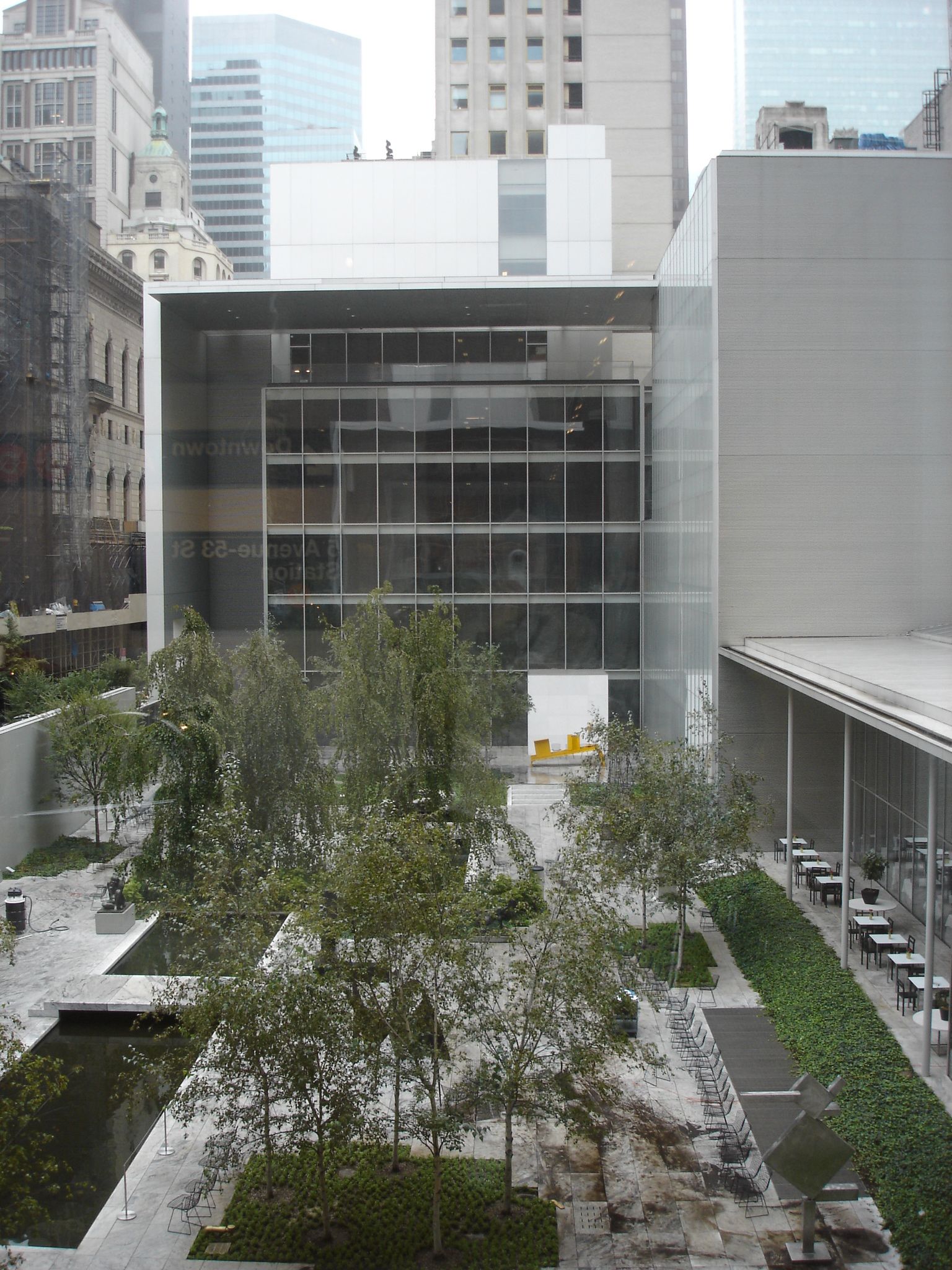
The genesis of modern art museums is inextricably linked to the rise of avant-garde movements in the late 19th and early 20th centuries. As artists like Claude Monet, Vincent van Gogh, and Pablo Picasso pushed boundaries, a need arose to house and contextualize their radical departures from academic tradition. Early proponents, often wealthy patrons and forward-thinking curators, championed these new forms. The Museum of Modern Art (MoMA), founded in 1929 by Abby Aldrich Rockefeller, Lillie P. Bliss, and Mary Quinn Sullivan, stands as a seminal example, established specifically to collect and exhibit modern art. Precursors like the 291 Gallery run by Alfred Stieglitz in New York, and earlier European institutions that began incorporating contemporary works, laid the groundwork for these dedicated temples of modernity. The establishment of such institutions was a deliberate act of cultural validation, elevating previously fringe artistic expressions to the status of canonical art history.
⚙️ How They Function
Modern art museums operate as complex ecosystems balancing preservation, exhibition, education, and public engagement. Their core function is the acquisition and stewardship of artworks, often through donations, purchases, and bequests, managed by curatorial departments specializing in various periods and media. Exhibition design is a critical component, involving the careful selection, arrangement, and interpretation of pieces to create thematic narratives or showcase specific artists. Beyond display, these institutions engage in extensive conservation efforts to maintain the physical integrity of their collections, employing conservators and scientists. Public programming, including lectures, workshops, and educational tours, aims to demystify modern art and foster broader understanding. Furthermore, many modern art museums are significant research hubs, housing extensive libraries and archives that support scholarly inquiry into art history and theory.
📊 Key Facts & Numbers
The scale of modern art museums is often staggering. The Centre Pompidou in Paris houses over 100,000 works, drawing around 3 million visitors each year. Globally, the market for modern and contemporary art is valued in the tens of billions of dollars annually, with major auction houses like Sotheby's and Christie's regularly achieving record-breaking sales for works by artists such as Jean-Michel Basquiat and Damien Hirst. The operating budgets for these institutions can range from tens of millions to hundreds of millions of dollars, often a mix of public funding, private donations, endowments, and earned revenue from admissions and retail.
👥 Key People & Organizations
Key figures have shaped the trajectory of modern art museums. Alfred H. Barr Jr., the first director of MoMA, was instrumental in defining its collection and exhibition strategies, championing European modernism. Sir Terence Conran's vision was central to the creation of London's Design Museum, emphasizing the importance of design as a cultural force. Curators like Klaus Biesenbach, formerly of MoMA PS1 and now heading The New Museum, have pushed the boundaries of exhibition-making, often focusing on emerging artists and interdisciplinary practices. Major organizations like the International Council of Museums (ICOM) set global standards for museum practice, while philanthropic foundations such as the Guggenheim Foundation have established influential museum networks worldwide, including the Guggenheim Museum Bilbao.
🌍 Cultural Impact & Influence
Modern art museums have profoundly influenced global culture, acting as arbiters of artistic value and shaping public perception of art history. They have elevated artists from obscurity to international fame, creating cultural icons and driving market trends. The architectural statements of museums like the Guggenheim Museum in New York, designed by Frank Lloyd Wright, have become landmarks and symbols of cultural prestige. These institutions also foster significant economic impact through tourism, urban regeneration projects (as seen with Tate Modern's transformation of a former power station), and the creation of associated retail and hospitality industries. Their educational outreach programs have introduced millions to diverse artistic expressions, fostering critical thinking and aesthetic appreciation across generations.
⚡ Current State & Latest Developments
The contemporary landscape of modern art museums is characterized by a push towards greater inclusivity and digital engagement. Institutions are increasingly grappling with decolonization efforts, re-evaluating their collections and exhibition narratives to address historical biases and underrepresentation of marginalized artists and communities. The COVID-19 pandemic accelerated the adoption of virtual exhibitions, online collections, and digital programming, expanding accessibility beyond physical limitations. Museums like The Broad in Los Angeles have embraced technology, offering augmented reality experiences and robust online platforms. There's also a growing emphasis on sustainability, with institutions exploring eco-friendly building practices and operational models. The debate over the role of museums in social activism and political discourse remains a prominent feature of their current operations.
🤔 Controversies & Debates
Modern art museums are frequent sites of controversy, often stemming from their curatorial decisions, acquisition policies, and the inherent subjectivity of modern art itself. Debates rage over the inclusion of controversial artists, such as Marina Abramović and her performance art, or the provenance of certain artworks, particularly those acquired during colonial eras or periods of conflict. The high cost of admission at some institutions, like MoMA, draws criticism for limiting access to broader public segments. Furthermore, the definition of "modern" and "contemporary" art is constantly contested, leading to debates about what belongs in a museum's collection and how it should be interpreted. The influence of wealthy donors and corporate sponsors on curatorial independence is another persistent point of contention, raising questions about artistic integrity versus financial viability.
🔮 Future Outlook & Predictions
The future of modern art museums points towards a more decentralized, digitally integrated, and socially responsive model. Expect continued efforts to diversify collections and narratives, moving beyond a Western-centric canon to embrace global artistic production more fully. Augmented and virtual reality technologies will likely play an even larger role, offering immersive experiences that transcend physical space and potentially democratize access. Museums may also evolve into more dynamic community hubs, engaging more directly with local social issues and fostering participatory art-making. The financial sustainability of these institutions will remain a critical challenge, potentially leading to new models of public-private partnerships and innovative revenue streams. The very definition of what constitutes a "museum" may broaden, incorporating more experimental and ephemeral forms of artistic presentation.
💡 Practical Applications
Modern art museums serve several practical functions beyond their cultural mission. They are significant drivers of tourism, attracting visitors who contribute to local economies through spending on accommodation, dining, and retail. The architectural designs of prominent modern art museums often become tourist attractions in themselves, generating revenue and enhancing a city's g
Key Facts
- Category
- culture
- Type
- topic