
Contents
- 🎵 Origins & History
- ⚙️ How It Works
- 📊 Key Facts & Numbers
- 👥 Key People & Organizations
- 🌍 Cultural Impact & Influence
- ⚡ Current State & Latest Developments
- 🤔 Controversies & Debates
- 🔮 Future Outlook & Predictions
- 💡 Practical Applications
- 📚 Related Topics & Deeper Reading
- Frequently Asked Questions
- References
- Related Topics
Overview
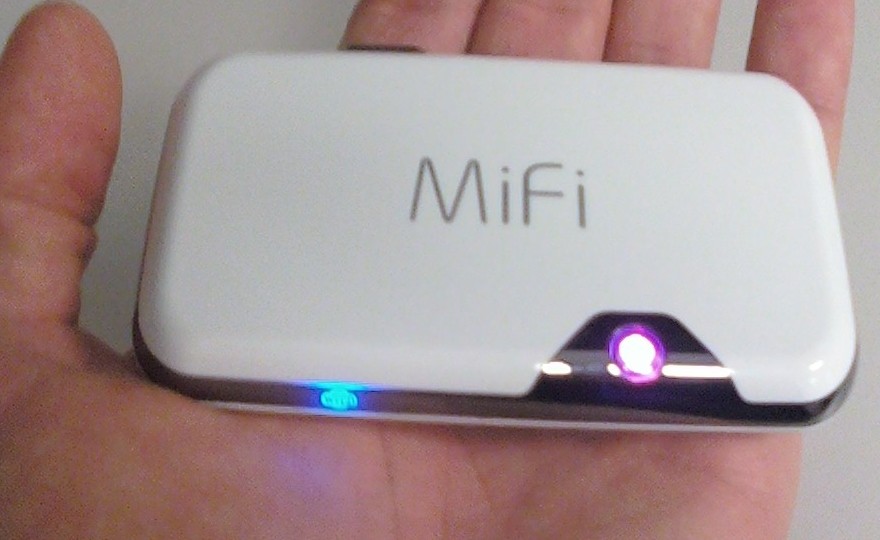
The genesis of the mobile hotspot device can be traced back to the burgeoning demand for ubiquitous internet access beyond fixed locations. While the concept of sharing a cellular data connection existed, the dedicated, portable device emerged with Novatel Wireless's introduction of the first MiFi device in May 2009 in the United States. This device, which quickly became a genericized trademark in many regions, was designed to be a pocket-sized gateway, enabling multiple Wi-Fi-enabled devices to connect to the internet via a 3G cellular network. In the United Kingdom, the "MiFi" trademark was acquired by Hutchison 3G, which partnered with manufacturers like Huawei to offer similar products. The name itself is widely believed to be a portmanteau of "Mobile Wi-Fi," though some suggest it's short for "My Wi-Fi," reflecting its personal network creation capabilities. This innovation fundamentally altered how individuals could stay connected while mobile, predating the widespread adoption of smartphone tethering as a primary connectivity solution.
⚙️ How It Works
At its core, a mobile hotspot device functions by establishing a connection to a cellular network, typically using a SIM card provided by a mobile carrier. This cellular connection acts as the device's internet backbone. The hotspot then broadcasts this internet connection as a standard Wi-Fi signal, creating a local area network (LAN) that other devices can join. Users can connect to this Wi-Fi network using their laptop, tablet, or other Wi-Fi-enabled gadget, much like they would connect to a home router. Advanced models often support the latest cellular standards like 5G and Wi-Fi 6, ensuring faster speeds and lower latency. Security is paramount, with most devices offering WPA2/WPA3 encryption and customizable network names (SSIDs) and passwords to protect the personal network from unauthorized access. Some devices also feature Ethernet ports or USB tethering capabilities for wired connections or to charge other devices.
📊 Key Facts & Numbers
The mobile hotspot market is substantial, with millions of units sold annually. As of 2023, global shipments of mobile hotspot devices were estimated to be around 15 million units. The average price for a 4G LTE mobile hotspot can range from $50 to $150, while 5G models can command prices between $200 and $400. These devices can support anywhere from 5 to 30 simultaneous connections, with high-end models capable of handling more. Data plans associated with these hotspots vary widely, but average monthly costs for 50GB of data can be between $30 and $60, depending on the carrier and region. Battery life is a critical metric, with most devices offering between 8 to 24 hours of continuous use on a single charge, supporting extended periods of connectivity. The global market for mobile hotspots was valued at approximately $1.2 billion in 2022 and is projected to grow at a compound annual growth rate (CAGR) of 5.5% through 2028.
👥 Key People & Organizations
Key players in the mobile hotspot device arena include Inseego Corp., the company that introduced the original MiFi brand, and Huawei, a major global supplier of telecommunications equipment. Other significant manufacturers and brands include ZTE, Netgear, TP-Link, and ZTE. Mobile carriers such as Verizon, AT&T, T-Mobile, and Vodafone often bundle these devices with their data plans, sometimes rebranding them under their own names. The development of these devices has been heavily influenced by advancements in cellular technology, driven by organizations like the 3GPP (3rd Generation Partnership Project), which sets the standards for mobile communications. Early pioneers in portable networking and wireless routers also laid the conceptual groundwork for these devices.
🌍 Cultural Impact & Influence
Mobile hotspot devices have profoundly reshaped how people work, travel, and communicate. They have empowered the rise of the digital nomad, enabling professionals to maintain productivity from virtually any location with cellular coverage. For travelers, these devices offer a cost-effective and convenient alternative to expensive hotel Wi-Fi or local SIM cards, especially when sharing internet access among a group. Educational institutions and remote learning initiatives have also benefited, providing students without reliable home internet access a way to participate in online classes and research. The ability to create an instant Wi-Fi zone has become a staple for event organizers, temporary work sites, and emergency response teams, ensuring critical communication lines remain open. This pervasive connectivity has contributed to the broader trend of an 'always-on' culture, blurring the lines between work and personal life.
⚡ Current State & Latest Developments
The current landscape of mobile hotspot devices is dominated by the transition from 4G LTE to 5G technology. Manufacturers are rapidly releasing 5G-capable hotspots that promise significantly faster download and upload speeds, lower latency, and the ability to connect more devices simultaneously. Innovations in battery technology are also extending operational times, with some devices boasting multi-day usage. Furthermore, the integration of advanced security features, including more robust encryption protocols and VPN support, is becoming standard. The market is also seeing a rise in ruggedized, industrial-grade hotspots designed for harsh environments, catering to sectors like construction, agriculture, and public safety. The increasing prevalence of IoT devices is also driving demand for hotspots that can manage a larger number of connected endpoints efficiently.
🤔 Controversies & Debates
A significant debate surrounds the pricing and data caps imposed by mobile carriers on hotspot data plans. Critics argue that the cost per gigabyte for hotspot data is often higher than for smartphone data plans, and that strict data caps can severely limit usability for power users. The genericization of the "MiFi" brand name has also led to trademark disputes, with Inseego Corp. actively defending its intellectual property against unauthorized use. Another point of contention is the environmental impact of manufacturing and disposing of these electronic devices, raising questions about e-waste and sustainable production practices. Furthermore, the security of these personal networks, while generally robust, remains a concern, with potential vulnerabilities always a target for malicious actors. The reliance on cellular infrastructure also means that service can be inconsistent in areas with poor network coverage.
🔮 Future Outlook & Predictions
The future of mobile hotspot devices is inextricably linked to the expansion and evolution of cellular networks, particularly 5G and the forthcoming 6G technologies. We can anticipate hotspots becoming even more powerful, capable of supporting higher bandwidth applications like augmented reality (AR) and virtual reality (VR) on the go. The integration of artificial intelligence (AI) may lead to smarter device management, optimizing data usage and security automatically. Expect to see more multi-functional devices that combine hotspot capabilities with other features, such as power banks or even satellite connectivity for truly global coverage. The distinction between dedicated mobile hotspots and high-end smartphones with advanced tethering capabilities may continue to blur, pushing manufacturers to innovate further in terms of form factor, battery efficiency, and specialized features. The potential for these devices to serve as critical infrastructure for remote and underserved communities remains a significant area of development.
💡 Practical Applications
Mobile hotspot devices find extensive use across various sectors. For remote workers and digital nomads, they provide essential internet connectivity for tasks ranging from video conferencing to cloud-based collaboration. Travelers utilize them to stay connected in hotels, airports, and rental cars, often sharing the connection with family or colleagues. Businesses deploy them for temporary office setups, construction sites, and field operations where fixed broadband is unavailable or impractical. Emergency services rely on them to establish communication networks in disaster zones. Students and educators use them to bridge the digital divide, ensuring access to online learning resources. Even in areas with reliable home internet, they serve as a crucial backup connection during outages, ensuring continuity of service for critical applications. Their versatility makes them a go-to solution for temporary or mobile internet needs.
Key Facts
- Year
- 2009
- Origin
- United States
- Category
- technology
- Type
- product
Frequently Asked Questions
What exactly is a mobile hotspot device?
A mobile hotspot device is a portable piece of hardware that connects to a cellular network (like 4G LTE or 5G) using a SIM card and then broadcasts that internet connection as a Wi-Fi signal. This allows multiple Wi-Fi-enabled devices, such as laptops, tablets, and smartphones, to access the internet wirelessly, creating a personal Wi-Fi zone wherever there is cellular service. Think of it as a mini, portable router that runs on a mobile data plan.
How is a mobile hotspot different from smartphone tethering?
Both mobile hotspots and smartphone tethering (or 'hotspot mode' on a phone) use a cellular connection to provide internet to other devices. The primary difference is dedicated hardware versus using your phone. Mobile hotspots are purpose-built devices with potentially larger batteries, better antennas for cellular reception, and the ability to connect more devices without draining your phone's battery or impacting its performance. Tethering uses your phone's resources, which can lead to faster battery drain and potentially slower speeds if the phone's processor is overloaded.
What are the main advantages of using a mobile hotspot?
The main advantages include flexibility and convenience. You can create a Wi-Fi network anywhere you have cellular service, which is invaluable for travelers, remote workers, or in areas with unreliable fixed internet. They allow multiple devices to connect simultaneously, making them ideal for families or small groups. Dedicated hotspots often offer better battery life than phone tethering and can be more reliable for extended use, ensuring you stay connected without compromising your phone's primary functions.
What are the limitations or downsides of mobile hotspots?
The primary limitations are data caps and costs. Mobile carriers typically impose strict data limits on hotspot plans, and exceeding them can result in throttling (slowed speeds) or additional charges. Coverage is dependent on cellular network availability, so they won't work in areas with no signal. Security, while generally good with WPA2/WPA3 encryption, still requires user vigilance to prevent unauthorized access. Finally, they represent an additional monthly expense for a data plan.
Can I use a mobile hotspot for gaming or streaming?
Yes, but with caveats. Modern 5G mobile hotspots can offer speeds sufficient for streaming high-definition video and even some online gaming. However, latency (ping) can be a critical factor for competitive online gaming, and this is often higher with cellular connections compared to wired broadband. Data caps are also a major concern, as streaming and gaming consume large amounts of data quickly, potentially leading to costly overages or throttled speeds. It's best suited for casual gaming or when a wired connection isn't available.
How do I choose the right mobile hotspot device?
Consider your primary needs: How many devices will you connect? What cellular speeds are available in your typical locations (check carrier coverage maps)? Do you need 4G LTE or 5G? Look at battery life, the number of simultaneous connections supported, and any advanced features like Ethernet ports or VPN support. Compare data plans offered by different carriers, as the device cost is often secondary to the ongoing data plan expense. Reading reviews for specific models and carriers is also highly recommended.
What is the future of mobile hotspot technology?
The future points towards even faster speeds with the rollout of 5G and eventually 6G networks, enabling more demanding applications like AR/VR on the go. We'll likely see smarter devices with AI for optimized data usage and security, longer battery life, and potentially integrated satellite connectivity for global coverage. The lines between dedicated hotspots and advanced smartphone tethering features may continue to blur, pushing innovation in form factors and functionality. They will remain crucial for bridging connectivity gaps and supporting remote work and travel.