
Contents
Overview
The concept of mobile computing dates back to the 1970s, with the introduction of the first mobile phone by Martin Cooper, an engineer at Motorola. However, it wasn't until the 1990s, with the launch of the IBM Simon, the first touchscreen smartphone, that mobile computing began to take shape. Since then, companies like Apple, with the iPhone, and Google, with Android, have driven the development of mobile devices and operating systems, with the support of telecom companies like Verizon and AT&T. Today, mobile computing is a ubiquitous part of modern life, with over 5 billion mobile phone users worldwide, according to data from the International Telecommunication Union (ITU).
🔍 How It Works
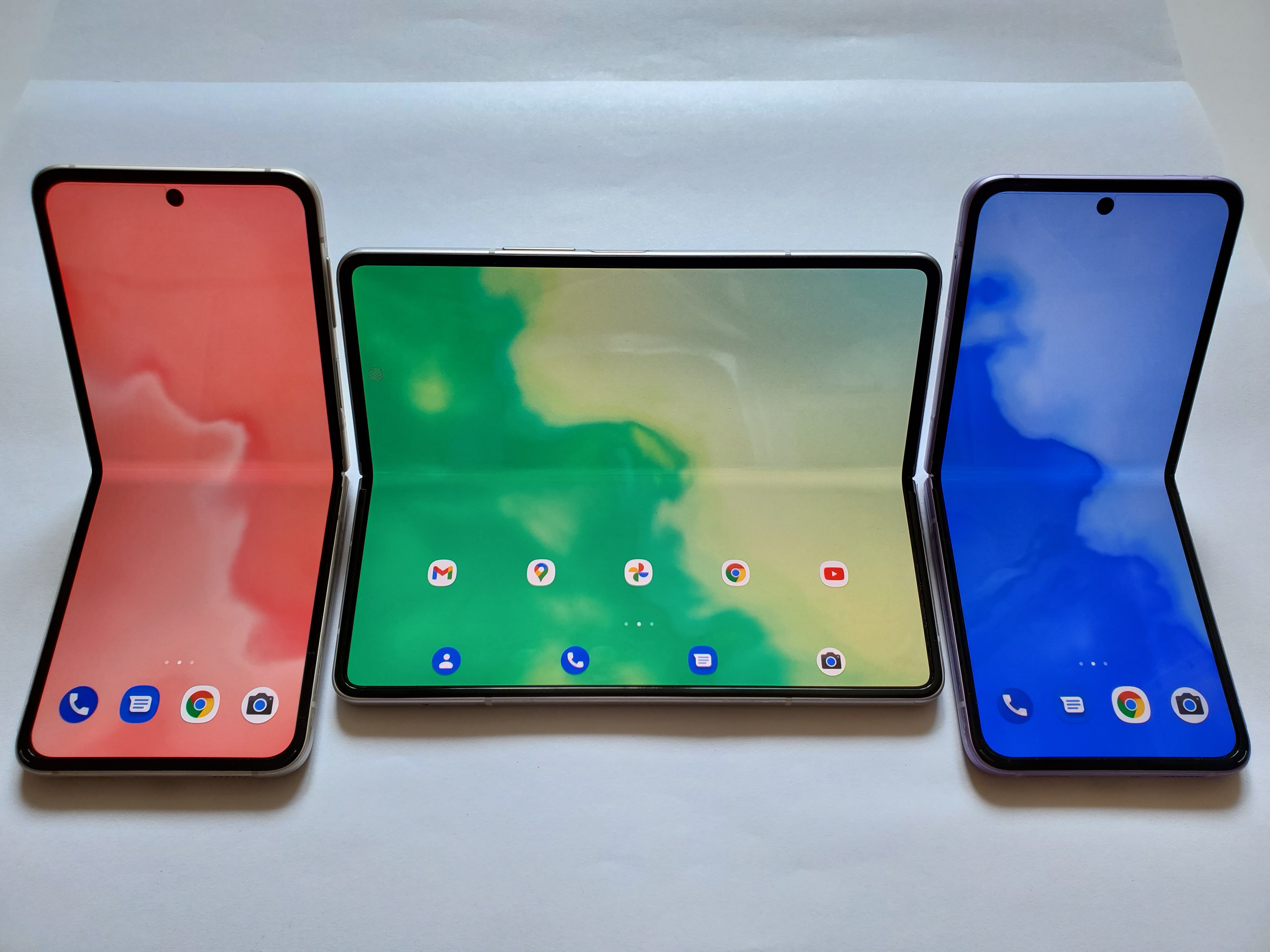
Mobile computing involves a complex interplay of hardware, software, and communication technologies. Mobile devices, such as smartphones and tablets, are equipped with processors, memory, and storage, similar to traditional computers. However, they also require specialized components, like batteries, antennas, and touchscreens, designed by companies like Qualcomm and Samsung. Mobile operating systems, like iOS and Android, manage the device's resources and provide a platform for mobile applications, developed by companies like Facebook and Twitter. Communication protocols, such as Wi-Fi, Bluetooth, and 5G, enable mobile devices to connect to the internet and exchange data with other devices, using technologies like near-field communication (NFC) and radio-frequency identification (RFID).
🌐 Cultural Impact
The impact of mobile computing on modern society has been profound. Mobile devices have enabled people to access information, communicate with others, and perform tasks on-the-go, using applications like Google Maps and Uber. Mobile computing has also transformed industries, such as healthcare, finance, and education, with the development of mobile applications and services, like telemedicine and online banking, supported by companies like Teladoc and Bank of America. For example, the mobile banking app from JPMorgan Chase allows users to manage their accounts, transfer funds, and deposit checks remotely. Additionally, mobile computing has enabled new forms of social interaction, entertainment, and commerce, with the rise of social media platforms like Instagram and TikTok, and e-commerce platforms like Amazon and Shopify.
🔮 Legacy & Future
As mobile computing continues to evolve, we can expect to see new innovations and applications emerge. The development of 5G networks, for instance, promises to enable faster data transfer rates, lower latency, and greater connectivity, with companies like Huawei and Ericsson leading the charge. Artificial intelligence and machine learning will also play a larger role in mobile computing, with the development of more sophisticated mobile applications and services, like virtual assistants and predictive analytics, supported by companies like Microsoft and IBM. Furthermore, the Internet of Things (IoT) will become increasingly integrated with mobile computing, enabling new forms of interaction and automation, with companies like Cisco and Intel driving the development of IoT technologies.
Key Facts
- Year
- 1973
- Origin
- United States
- Category
- technology
- Type
- concept
Frequently Asked Questions
What is mobile computing?
Mobile computing refers to the use of mobile devices, such as smartphones and tablets, to access and transmit data, including voice and video, on-the-go.
What are the key components of mobile computing?
The key components of mobile computing include mobile devices, mobile operating systems, communication protocols, and mobile applications.
How has mobile computing impacted society?
Mobile computing has transformed industries, enabled new forms of social interaction and commerce, and changed the way we access information and communicate with others.
What are the future trends in mobile computing?
Future trends in mobile computing include the development of 5G networks, artificial intelligence and machine learning, and the integration of the Internet of Things (IoT).
What are the challenges facing mobile computing?
The challenges facing mobile computing include issues related to security, privacy, and the digital divide, as well as the need for more sustainable and environmentally-friendly mobile devices and practices.