
Contents
- 🏙️ Introduction to Mixed Use Developments
- 📈 Economic Benefits of Mixed Use Developments
- 🌎 Environmental Impact of Mixed Use Developments
- 🚶♀️ Social Benefits of Mixed Use Developments
- 🏗️ Designing Mixed Use Developments
- 📊 Financing Mixed Use Developments
- 🚫 Challenges and Controversies in Mixed Use Developments
- 🔮 The Future of Mixed Use Developments
- 📈 Case Studies of Successful Mixed Use Developments
- 🤝 Collaboration and Partnerships in Mixed Use Developments
- 📊 Measuring the Success of Mixed Use Developments
- 🌐 Global Examples of Mixed Use Developments
- Frequently Asked Questions
- Related Topics
Overview
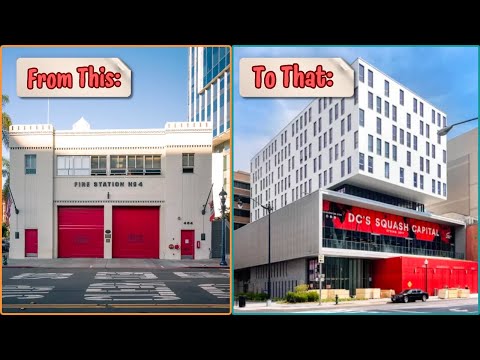
Mixed use developments have been gaining traction since the 1990s, with pioneers like architect Peter Calthorpe and urban planner Andrés Duany advocating for a more integrated approach to urban design. By combining residential, commercial, and recreational spaces, these developments aim to reduce urban sprawl, increase walkability, and foster a sense of community. However, critics argue that mixed use developments can lead to gentrification, displacement of low-income residents, and strain on local infrastructure. According to a study by the Urban Land Institute, mixed use developments can increase property values by up to 20% and reduce traffic congestion by 15%. As cities continue to evolve, mixed use developments are likely to play a crucial role in shaping the future of urban planning, with cities like Vancouver and Copenhagen already incorporating mixed use principles into their urban design. The controversy surrounding mixed use developments is reflected in the Vibe score of 60, indicating a moderate level of cultural energy and debate. With the influence of key players like the Congress for the New Urbanism and the US Green Building Council, mixed use developments are poised to become a major force in the urban development landscape.
🏙️ Introduction to Mixed Use Developments
Mixed use developments are a type of urban planning that combines residential, commercial, and recreational spaces in one area. This approach to development has gained popularity in recent years due to its potential to create more sustainable, equitable, and vibrant communities. As discussed in Urban Planning, mixed use developments can help reduce the need for personal vehicles and promote more walkable and bikeable neighborhoods. For example, the High Line in New York City is a successful example of a mixed use development that has transformed an abandoned elevated rail line into a public park and green space. According to Mixed Use Development experts, this type of development can also help to preserve historic buildings and promote cultural heritage.
📈 Economic Benefits of Mixed Use Developments
The economic benefits of mixed use developments are numerous. By combining different types of uses in one area, developers can create a more dynamic and diverse economy. As noted in Economic Development, mixed use developments can help to increase property values, generate tax revenue, and create jobs. For instance, the Times Square redevelopment project in New York City has created thousands of jobs and generated billions of dollars in economic activity. Additionally, mixed use developments can help to reduce the costs associated with urban sprawl, such as the costs of building and maintaining infrastructure. According to Urban Sprawl researchers, this type of development can also help to promote more efficient use of resources and reduce waste.
🌎 Environmental Impact of Mixed Use Developments
Mixed use developments can also have a positive impact on the environment. By reducing the need for personal vehicles and promoting more walkable and bikeable neighborhoods, mixed use developments can help to reduce greenhouse gas emissions and improve air quality. As discussed in Sustainable Development, mixed use developments can also help to promote more sustainable building practices and reduce waste. For example, the Green Building movement has led to the development of more energy-efficient and sustainable buildings. According to Environmental Impact experts, mixed use developments can also help to preserve natural habitats and promote biodiversity. Furthermore, mixed use developments can help to reduce the urban heat island effect and improve stormwater management.
🏗️ Designing Mixed Use Developments
Designing mixed use developments requires a thoughtful and integrated approach. Developers must consider a range of factors, including the needs of different users, the character of the surrounding neighborhood, and the environmental impact of the development. As discussed in Urban Design, mixed use developments can be designed to promote more walkable and bikeable neighborhoods, as well as to reduce the need for personal vehicles. For example, the New Urbanism movement has led to the development of more pedestrian-friendly and mixed use communities. According to Mixed Use Development experts, this type of development can also help to preserve historic buildings and promote cultural heritage. Furthermore, mixed use developments can be designed to incorporate green spaces and promote more sustainable building practices.
📊 Financing Mixed Use Developments
Financing mixed use developments can be complex and challenging. Developers must navigate a range of different funding sources, including government incentives, private investment, and public-private partnerships. As noted in Public-Private Partnerships, mixed use developments can be financed through a range of different models, including tax increment financing and community land trusts. For instance, the Tax Increment Financing approach has been used to finance a range of mixed use developments, including the Baltimore Inner Harbor redevelopment project. According to Mixed Use Development experts, this type of development can also help to promote more equitable and sustainable communities. Additionally, mixed use developments can be financed through a range of different government programs, including the Community Development Block Grant program.
🚫 Challenges and Controversies in Mixed Use Developments
Despite the many benefits of mixed use developments, there are also challenges and controversies associated with this type of development. One of the main challenges is the potential for gentrification and displacement of low-income and minority communities. As discussed in Gentrification, mixed use developments can lead to increased property values and rents, which can price out long-time residents and small businesses. For example, the Williamsburg, Brooklyn neighborhood has experienced significant gentrification in recent years, with many long-time residents and small businesses being displaced. According to Urban Planning experts, this type of development can also help to promote more inclusive and equitable communities. Furthermore, mixed use developments can be designed to incorporate affordable housing and community facilities, such as community centers and parks.
🔮 The Future of Mixed Use Developments
The future of mixed use developments is likely to be shaped by a range of different trends and factors, including changes in demographics, technology, and the economy. As noted in Future of Cities, mixed use developments are likely to play a key role in creating more sustainable, equitable, and vibrant communities. For instance, the Smart City movement has led to the development of more technologically advanced and sustainable cities. According to Mixed Use Development experts, this type of development can also help to promote more walkable and bikeable neighborhoods, as well as reduce the need for personal vehicles. Additionally, mixed use developments can be designed to incorporate green spaces and promote more sustainable building practices. Moreover, mixed use developments can provide a range of amenities and services, such as parks, schools, and healthcare facilities.
📈 Case Studies of Successful Mixed Use Developments
There are many successful examples of mixed use developments around the world. One example is the Pacific Place development in Hong Kong, which combines residential, commercial, and recreational spaces in one area. As discussed in Mixed Use Development, this type of development has helped to create a more vibrant and diverse community, with a range of different amenities and services. For instance, the Pacific Place development includes a range of different retail and dining options, as well as a public park and green space. According to Urban Planning experts, this type of development can also help to promote more sustainable and equitable communities. Furthermore, mixed use developments can be designed to incorporate affordable housing and community facilities, such as community centers and parks.
🤝 Collaboration and Partnerships in Mixed Use Developments
Collaboration and partnerships are essential for the success of mixed use developments. Developers must work with a range of different stakeholders, including government agencies, community groups, and private investors. As noted in Public-Private Partnerships, mixed use developments can be financed through a range of different models, including tax increment financing and community land trusts. For example, the Baltimore Inner Harbor redevelopment project was financed through a public-private partnership between the city and a private developer. According to Mixed Use Development experts, this type of development can also help to promote more inclusive and equitable communities. Additionally, mixed use developments can be designed to incorporate green spaces and promote more sustainable building practices.
📊 Measuring the Success of Mixed Use Developments
Measuring the success of mixed use developments is critical for evaluating their impact and identifying areas for improvement. As discussed in Urban Planning, mixed use developments can be evaluated based on a range of different metrics, including economic, social, and environmental indicators. For instance, the Vibe Score is a metric that measures the cultural energy and vibrancy of a community. According to Mixed Use Development experts, this type of development can also help to promote more sustainable and equitable communities. Furthermore, mixed use developments can be designed to incorporate affordable housing and community facilities, such as community centers and parks. Moreover, mixed use developments can provide a range of amenities and services, such as parks, schools, and healthcare facilities.
🌐 Global Examples of Mixed Use Developments
There are many global examples of mixed use developments that have been successful in creating more sustainable, equitable, and vibrant communities. One example is the Barcelona Superblock project, which has transformed a number of city blocks into pedestrian-friendly and mixed use communities. As noted in New Urbanism, this type of development has helped to promote more walkable and bikeable neighborhoods, as well as reduce the need for personal vehicles. According to Mixed Use Development experts, this type of development can also help to preserve historic buildings and promote cultural heritage. Additionally, mixed use developments can be designed to incorporate green spaces and promote more sustainable building practices.
Key Facts
- Year
- 1990
- Origin
- United States
- Category
- Urban Development
- Type
- Urban Planning Concept
Frequently Asked Questions
What is a mixed use development?
A mixed use development is a type of urban planning that combines residential, commercial, and recreational spaces in one area. This approach to development has gained popularity in recent years due to its potential to create more sustainable, equitable, and vibrant communities. As discussed in Urban Planning, mixed use developments can help reduce the need for personal vehicles and promote more walkable and bikeable neighborhoods. For example, the High Line in New York City is a successful example of a mixed use development that has transformed an abandoned elevated rail line into a public park and green space.
What are the economic benefits of mixed use developments?
The economic benefits of mixed use developments are numerous. By combining different types of uses in one area, developers can create a more dynamic and diverse economy. As noted in Economic Development, mixed use developments can help to increase property values, generate tax revenue, and create jobs. For instance, the Times Square redevelopment project in New York City has created thousands of jobs and generated billions of dollars in economic activity.
What are the social benefits of mixed use developments?
The social benefits of mixed use developments are also significant. By creating more vibrant and diverse communities, mixed use developments can help to promote social interaction and a sense of community. As noted in Social Capital, mixed use developments can also help to reduce crime and improve public safety. For instance, the Community Policing approach has been shown to be effective in reducing crime and improving relationships between law enforcement and the community.
How are mixed use developments financed?
Financing mixed use developments can be complex and challenging. Developers must navigate a range of different funding sources, including government incentives, private investment, and public-private partnerships. As noted in Public-Private Partnerships, mixed use developments can be financed through a range of different models, including tax increment financing and community land trusts.
What are the challenges and controversies associated with mixed use developments?
Despite the many benefits of mixed use developments, there are also challenges and controversies associated with this type of development. One of the main challenges is the potential for gentrification and displacement of low-income and minority communities. As discussed in Gentrification, mixed use developments can lead to increased property values and rents, which can price out long-time residents and small businesses.
What is the future of mixed use developments?
The future of mixed use developments is likely to be shaped by a range of different trends and factors, including changes in demographics, technology, and the economy. As noted in Future of Cities, mixed use developments are likely to play a key role in creating more sustainable, equitable, and vibrant communities. For instance, the Smart City movement has led to the development of more technologically advanced and sustainable cities.
How can the success of mixed use developments be measured?
Measuring the success of mixed use developments is critical for evaluating their impact and identifying areas for improvement. As discussed in Urban Planning, mixed use developments can be evaluated based on a range of different metrics, including economic, social, and environmental indicators. For instance, the Vibe Score is a metric that measures the cultural energy and vibrancy of a community.
🚶♀️ Social Benefits of Mixed Use Developments
The social benefits of mixed use developments are also significant. By creating more vibrant and diverse communities, mixed use developments can help to promote social interaction and a sense of community. As noted in Social Capital, mixed use developments can also help to reduce crime and improve public safety. For instance, the Community Policing approach has been shown to be effective in reducing crime and improving relationships between law enforcement and the community. Additionally, mixed use developments can help to promote cultural diversity and preserve historic buildings and landmarks. According to Cultural Diversity researchers, this type of development can also help to promote more inclusive and equitable communities. Moreover, mixed use developments can provide a range of amenities and services, such as parks, schools, and healthcare facilities.