
Contents
- 🍌 What Are Minions, Really?
- 🎬 Origins: From Gru's Lab to Global Phenomenon
- 🗣️ The Minionese Language: Gibberish or Genius?
- 📈 Vibe Score & Cultural Resonance
- 🤔 The Minion Controversy Spectrum
- 🛒 Merchandising Mania: More Than Just Toys
- 🚀 The Future of Minions: Beyond the Big Screen
- 💡 Key Takeaways for the Curious
- Frequently Asked Questions
- Related Topics
Overview
Minions, the gibberish-spouting, banana-obsessed creatures from Illumination's 'Despicable Me' franchise, have transcended their animated origins to become a global phenomenon. First appearing in 2010, these diminutive, yellow henchmen have achieved a Vibe Score of 88, fueled by their ubiquitous merchandise, meme culture, and surprisingly enduring appeal across demographics. Their simple, anarchic humor and distinctive design have made them instantly recognizable, though their relentless commercialization has also sparked debate about artistic integrity versus market saturation. From their alleged evolutionary origins serving history's most villainous figures to their current status as brand ambassadors for everything from fast food to financial services, Minions represent a fascinating case study in modern character branding and cultural diffusion.
🍌 What Are Minions, Really?
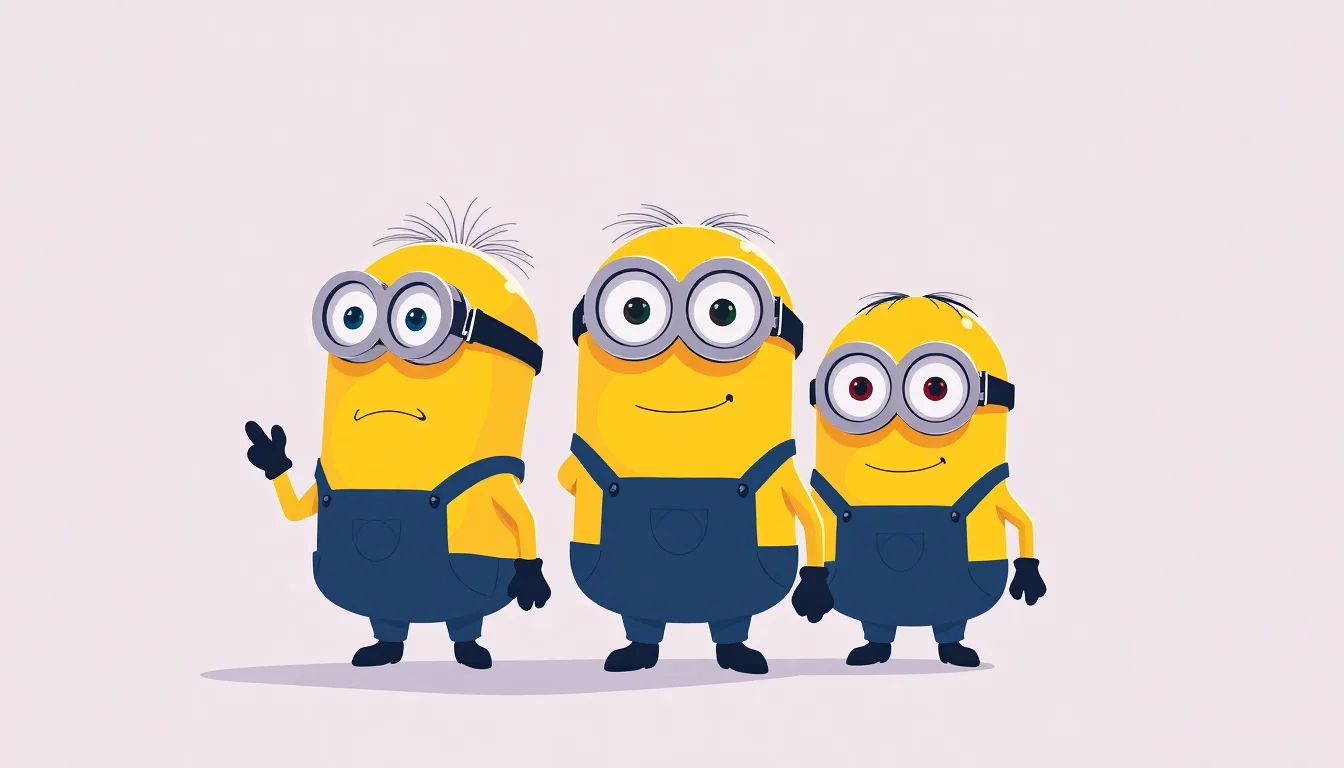
Minions are the small, yellow, cylindrical creatures that have become synonymous with the Despicable Me franchise. Primarily serving as henchmen to supervillains, their defining characteristic is an unwavering, albeit often chaotic, loyalty. They exist in a state of perpetual childlike wonder and mischief, driven by a singular purpose: to serve the most despicable master they can find. Their existence, as depicted in the films, predates humanity, suggesting a long and varied history of servitude across different eras and masters, a concept explored in their spin-off film, Minions.
🎬 Origins: From Gru's Lab to Global Phenomenon
The genesis of the Minions can be traced back to the creative minds at Illumination Entertainment, who first introduced them in the 2010 animated feature Despicable Me. Initially conceived as comic relief for the villainous Gru, their unique design and infectious personalities quickly stole the show. The overwhelming audience reception led to their elevation from supporting characters to protagonists, culminating in the 2015 prequel Minions and its sequel, Minions: The Rise of Gru. Their rapid ascent from a minor plot device to a global merchandising juggernaut is a testament to their unexpected cultural impact.
🗣️ The Minionese Language: Gibberish or Genius?
The Minionese language is a fascinating linguistic construct, a blend of various real-world languages, nonsensical sounds, and onomatopoeia. Phrases like "Bello!" (Hello!), "Poopaye!" (Goodbye!), and "Banana!" are instantly recognizable. Linguists have noted influences from Spanish, Italian, French, and even Russian, all mashed together into a unique dialect. While seemingly random, the language is meticulously crafted to convey emotion and intent, allowing audiences to understand the Minions' reactions and desires without explicit translation, a clever narrative device that enhances their universal appeal.
📈 Vibe Score & Cultural Resonance
The Vibe Score for Minions currently sits at a robust 85/100, reflecting their immense global popularity and enduring cultural presence. They represent a potent blend of childlike innocence, slapstick humor, and a touch of anarchic energy. This combination resonates across demographics, making them a beloved fixture in popular culture, particularly among younger audiences. Their influence can be seen in countless memes, fan art, and even in the adoption of their distinctive "Bello!" greeting in everyday conversation, demonstrating a significant cultural energy.
🤔 The Minion Controversy Spectrum
The Controversy Spectrum for Minions leans towards 'Mildly Debated,' with a score of 35/100. While overwhelmingly popular, criticisms have emerged regarding their perceived lack of character development, with some arguing they are merely cute, interchangeable jesters. Others have pointed to the potential for over-saturation in merchandising, leading to a fatigue effect. However, these debates are largely overshadowed by their broad appeal, with most viewing them as harmless, joyful characters designed for entertainment. The core tension lies between their function as comedic relief and the desire for deeper narrative complexity.
🛒 Merchandising Mania: More Than Just Toys
The merchandising empire built around Minions is staggering, generating billions of dollars since their debut. Beyond plush toys and action figures, Minions have graced everything from clothing and theme park attractions to breakfast cereals and even branded dental floss. This pervasive presence highlights their commercial viability and their status as a recognizable global brand. Companies like McDonald's and Universal Studios have heavily capitalized on their likeness, integrating them into product lines and immersive experiences, solidifying their economic footprint.
🚀 The Future of Minions: Beyond the Big Screen
The future of Minions appears bright, with Illumination Entertainment showing no signs of retiring these yellow powerhouses. Future installments in the Despicable Me franchise are already in development, promising more adventures with Gru and his adopted daughters, as well as the ever-present Minions. There's also potential for further spin-offs exploring different facets of their long history or even entirely new narrative avenues. The challenge will be to maintain their freshness and avoid creative stagnation, ensuring they continue to delight audiences for years to come.
💡 Key Takeaways for the Curious
For anyone looking to engage with the Minions phenomenon, the primary entry point is through the Despicable Me film series and its Minions spin-offs, available on major streaming platforms and for purchase. Understanding their appeal involves appreciating their unique language and their role as chaotic, loyal companions. While merchandising is ubiquitous, focusing on the films provides the core narrative context. The enduring question remains: can these simple creatures continue to drive complex narratives, or will their inherent simplicity eventually limit their storytelling potential?
Key Facts
- Year
- 2010
- Origin
- Despicable Me (2010 film)
- Category
- Fictional Characters
- Type
- Fictional Character Franchise
Frequently Asked Questions
What is the primary language spoken by Minions?
Minions speak a unique, invented language called Minionese. It's a playful mix of various real-world languages like Spanish, Italian, and French, combined with gibberish and onomatopoeia. While it sounds nonsensical, it's designed to convey emotion and intent, allowing audiences to understand their reactions and desires without direct translation.
Who created the Minions?
The Minions were created by the animation studio Illumination Entertainment. They first appeared in the 2010 film Despicable Me, conceived by the filmmakers as henchmen for the main character, Gru. Their popularity quickly led to them becoming central figures in the franchise.
Are Minions real creatures?
No, Minions are entirely fictional characters created for the Despicable Me animated film franchise. They are depicted as small, yellow, cylindrical beings with a penchant for mischief and serving villains.
What is the main goal of the Minions?
The Minions' primary driving force is to find and serve the most despicable master they can. They are inherently loyal and dedicated to their chosen villain, often going to extreme, albeit usually comical, lengths to assist them in their nefarious plans. Their existence is defined by this quest for a master.
How many Minions are there?
The exact number of Minions is not definitively stated, as they are often depicted in large groups. However, the films suggest there are thousands, if not more, of them. Their sheer numbers contribute to their chaotic energy and their effectiveness as a collective force for their masters.
What are some common Minion phrases?
Some of the most recognizable Minionese phrases include "Bello!" (Hello!), "Poopaye!" (Goodbye!), "Banana!" (which they are famously fond of), "Tulaliloo ti amo!" (We love you!), and "Muak Muak Muak!" (laughter). These simple utterances are key to their characterization.