
Contents
Overview
Mine safety regulations are the codified rules and standards governing the health, safety, and environmental protection of workers and communities impacted by mining operations. These regulations, born from a history punctuated by catastrophic accidents, aim to mitigate risks from geological hazards, machinery, dust exposure, and chemical use. They dictate everything from ventilation requirements and emergency preparedness to personal protective equipment and permissible exposure limits for airborne contaminants. Globally, regulatory bodies like the Mine Safety and Health Administration (MSHA) in the U.S. and the Health and Safety Executive (HSE) in the UK set stringent guidelines, often influenced by international standards and best practices developed by organizations such as the International Labour Organization (ILO). The effectiveness of these regulations is a constant subject of debate, balancing operational efficiency with the paramount need to prevent fatalities and long-term health issues among miners.
🎵 Origins & History
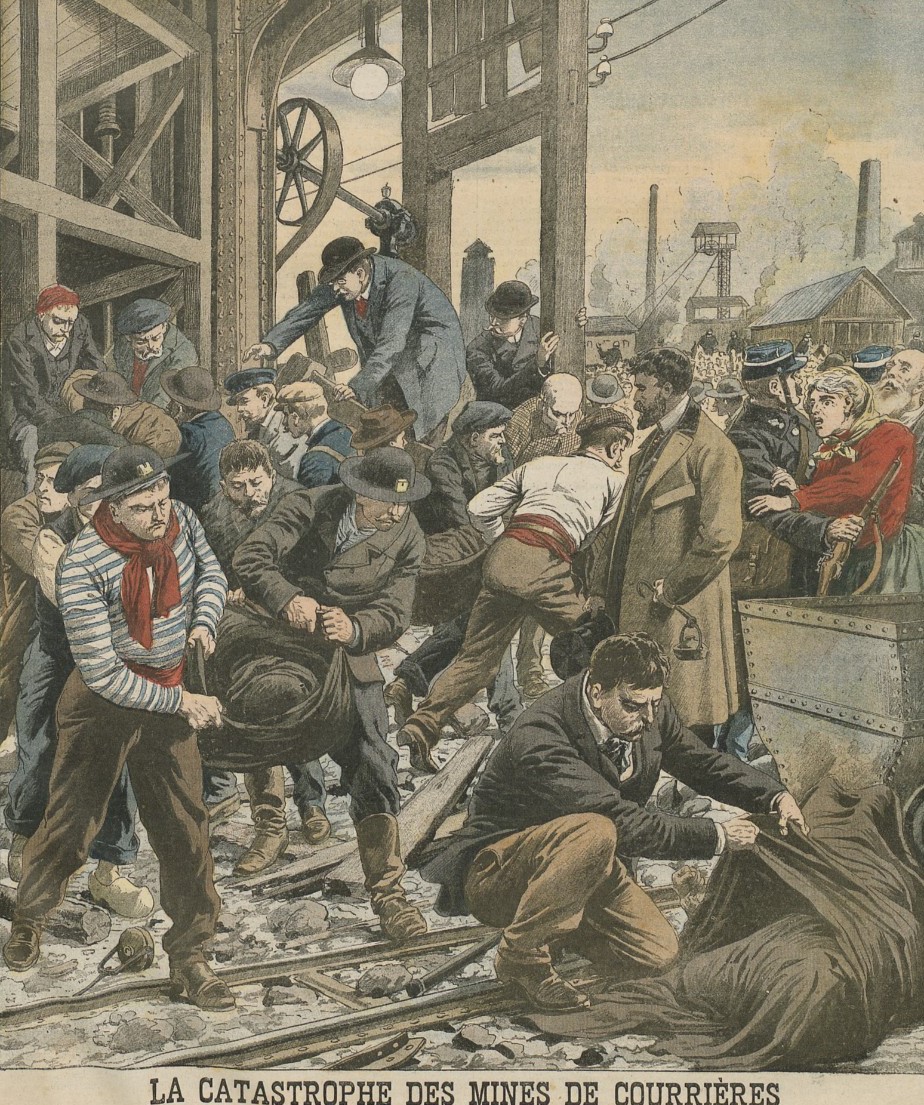
The genesis of mine safety regulations is inextricably linked to the grim ledger of mining disasters. For centuries, mining, particularly underground, was one of the most perilous occupations. Early attempts at safety were often rudimentary, driven by immediate necessity rather than codified law. These events, alongside countless smaller tragedies, spurred the development of formal legislation. In the United States, the Federal Coal Mine Safety Act of 1952 and its subsequent amendments, culminating in the Federal Mine Safety and Health Act of 1977, represent significant milestones in establishing a comprehensive regulatory framework. The historical trajectory shows a clear shift from reactive measures following disasters to proactive risk management, driven by evolving scientific understanding and persistent advocacy from labor groups like the United Mine Workers of America (UMWA).
⚙️ How It Works
Mine safety regulations function by establishing a multi-layered system of oversight, compliance, and enforcement. At their core, they define acceptable operational standards for ventilation, ground support, electrical systems, and the use of explosives. Regulations mandate regular inspections by both mine operators and government agencies to ensure adherence to these standards. Key components include requirements for emergency response plans, such as escape routes, rescue equipment, and communication systems, often tested through drills. Furthermore, they set permissible exposure limits (PELs) for airborne contaminants like silica dust and methane gas, requiring monitoring and control measures to prevent occupational diseases like black lung disease and silicosis. Training requirements for miners on hazard recognition and safe work practices are also a critical element, ensuring that personnel are equipped to identify and report unsafe conditions. Enforcement mechanisms typically involve fines, citations, and, in severe cases, the temporary or permanent closure of non-compliant mines.
📊 Key Facts & Numbers
The impact of mine safety regulations is quantifiable, though precise global figures are challenging to aggregate. In the U.S., the Mine Safety and Health Administration (MSHA) has reported a significant decline in mining fatalities. Similarly, the Health and Safety Executive (HSE) in the UK has overseen a dramatic reduction in mining deaths. The economic cost of non-compliance can be substantial, with the indirect costs of accidents—including lost production, equipment damage, and legal liabilities—potentially running into millions.
👥 Key People & Organizations
Numerous individuals and organizations have shaped the landscape of mine safety regulations. Organizations like the National Mining Association represent the industry's interests and often engage in dialogue with regulatory bodies on the feasibility and impact of new rules. Internationally, the International Labour Organization (ILO) publishes conventions and recommendations that influence national mining safety standards worldwide. Research institutions and universities, such as the West Virginia University's Department of Mining Engineering, also contribute through studies on hazard mitigation and safety technology.
🌍 Cultural Impact & Influence
Mine safety regulations have profoundly influenced not only the mining industry but also broader societal perceptions of worker rights and corporate responsibility. The persistent advocacy for safer working conditions in mines has been a significant driver for labor movements globally, demonstrating that collective action can lead to tangible improvements in hazardous industries. The development of specialized safety equipment has spurred innovation in engineering and materials science. Furthermore, the regulatory frameworks established for mining have often served as models for safety standards in other high-risk sectors, such as construction and manufacturing. The public's awareness of mining's inherent dangers, often heightened by media coverage of accidents, has created a demand for transparency and accountability from mining companies, influencing investment decisions and corporate social responsibility initiatives. The very concept of a 'safe workplace' has been continuously redefined, with mining regulations pushing the boundaries of what is considered acceptable risk.
⚡ Current State & Latest Developments
The current state of mine safety regulations is characterized by a continuous push for technological integration and adaptation to new mining methods. In 2024, there's a growing emphasis on remote monitoring systems, using sensors and IoT devices to track air quality, ground stability, and equipment status in real-time, reducing the need for constant human presence in high-risk areas. The adoption of automation and robotics in mining operations, particularly for tasks like drilling and hauling, is also a major trend, aiming to remove workers from the most dangerous environments. Regulatory bodies are increasingly focusing on mental health and fatigue management as critical components of safety, recognizing their impact on decision-making and accident prevention. Furthermore, the environmental aspects of mining safety are gaining prominence, with regulations addressing the safe handling and disposal of hazardous materials and the prevention of mine-related pollution, aligning with broader sustainable development goals.
🤔 Controversies & Debates
The implementation and enforcement of mine safety regulations are perpetually debated. A central tension lies between the cost of compliance for mining companies and the imperative to protect worker lives. Industry groups often argue that overly stringent regulations can hinder productivity and competitiveness, leading to job losses or the relocation of operations to jurisdictions with laxer oversight. Conversely, labor unions and safety advocates contend that the cost of accidents—both human and economic—far outweighs the expense of robust safety measures, and that regulations are often inadequately enforced. Debates also arise around the adequacy of PELs for various airborne contaminants, with scientific bodies like the National Institute for Occupational Safety and Health (NIOSH) frequently recommending lower limits than those mandated by law. The effectiveness of self-regulation versus government oversight is another recurring point of contention, with critics arguing that industry self-policing is insufficient to guarantee worker safety.
🔮 Future Outlook & Predictions
The future of mine safety regulations will likely be shaped by advancements in artificial intelligence, predictive analyt
💡 Practical Applications
Mine safety regulations are crucial for practical applications in mining operations. They provide the framework for designing and implementing safety protocols, training programs, and emergency response procedures. For instance, ventilation standards ensure adequate airflow to prevent the buildup of dangerous gases, while regulations on machinery maintenance minimize the risk of mechanical failures. The use of personal protective equipment (PPE), such as hard hats, safety glasses, and respirators, is mandated to shield miners from physical hazards and airborne contaminants. Permissible exposure limits (PELs) guide the implementation of dust control measures and air quality monitoring. Ultimately, these regulations translate into tangible safety practices that protect miners' health and well-being on a daily basis.
Key Facts
- Category
- technology
- Type
- topic