
Contents
Overview
Middle Eastern bread encompasses a vast spectrum of flatbreads and leavened loaves, forming the bedrock of daily sustenance and cultural identity across the Levant, North Africa, and parts of Central Asia. From the ubiquitous khubz (Arabic for bread) to the airy pita pockets of the Levant and the rustic tannur baked in clay ovens, these staples are more than just food; they are vessels for flavor, symbols of hospitality, and testaments to millennia of agricultural and culinary innovation. The production methods, ingredients, and regional variations reflect deep historical connections, trade routes, and the diverse environments of the Middle East. Their cultural significance is profound, appearing in religious rituals, social gatherings, and everyday meals, solidifying their status as a cornerstone of regional cuisine and heritage.
🎵 Origins & History
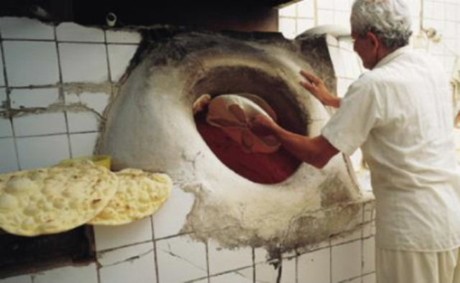
The history of bread in the Middle East stretches back to the dawn of agriculture. Early bakers utilized wild yeasts to leaven dough, a revolutionary step that transformed simple grain paste into a more digestible and flavorful food. The development of ovens, such as the ancient tannur oven, a vertical clay cylinder, allowed for rapid baking and the creation of characteristic flatbreads. Over millennia, trade routes like the Silk Road facilitated the exchange of grains, techniques, and recipes, leading to the incredible diversity seen today. From the Nabataean civilization's reliance on barley and wheat to the Ottoman Empire's sophisticated baking traditions, bread has consistently been central to the region's sustenance and cultural evolution.
⚙️ How It Works
The fundamental process of creating most Middle Eastern breads involves combining flour (typically wheat or barley), water, and a leavening agent, which can be commercial yeast, sourdough starter (a symbiotic culture of yeast and bacteria), or even just the ambient yeasts present in the air. The dough is kneaded to develop gluten, then allowed to rest and rise. For flatbreads like lavash or sangak, the dough is often stretched very thin and baked quickly at high temperatures, sometimes directly on the hot walls of a tannur or on a flat griddle called a saj. Leavened breads, such as khubz or samoon, are typically baked in more conventional ovens, resulting in a softer, thicker loaf with a distinct crust. The specific flour type, hydration level, fermentation time, and baking method all contribute to the unique texture, flavor, and appearance of each variety.
📊 Key Facts & Numbers
The region boasts hundreds of distinct bread types, with some sources claiming over 500 varieties across Iran, Turkey, and the Arab world. For instance, Iran alone produces an estimated 5.5 million tons of bread annually, with sangak, barbari, and taftoon being dominant types.
👥 Key People & Organizations
While no single individual can be credited with inventing Middle Eastern bread, countless bakers, farmers, and culinary historians have shaped its evolution. Organizations like the Iranian National Bakers Union play a crucial role in standardizing production and preserving traditional methods. In the Levant, families often pass down sourdough starter cultures, sometimes generations old, acting as living historical artifacts. Culinary anthropologists and food writers, such as Claudia Roden and Anissa Helou, have meticulously documented and popularized the region's diverse bread traditions for a global audience. The widespread adoption of industrial baking techniques by companies like Almarai Company in Saudi Arabia has also significantly impacted availability and production scale.
🌍 Cultural Impact & Influence
Middle Eastern breads are far more than mere sustenance; they are deeply woven into the social and cultural fabric of the region. They serve as the primary vehicle for scooping up dips like hummus and mutabal, accompanying stews, and forming the base of countless meals. The act of sharing bread is a profound symbol of hospitality and community, often central to religious observances like Ramadan and Eid al-Fitr. In many cultures, bread is considered sacred, and wasting it is seen as deeply disrespectful. The visual presence of bread, from street vendors selling hot khubz to elaborate displays at celebrations, is an iconic representation of Middle Eastern life, influencing art, literature, and even music.
⚡ Current State & Latest Developments
In 2024, the production and consumption of Middle Eastern breads remain robust, though evolving. While traditional baking methods persist in homes and small bakeries, industrial production is expanding to meet demand, particularly in urban centers and for export markets. There's a growing interest in artisanal and heritage breads, with a resurgence in sourdough and ancient grain varieties, driven by health-conscious consumers and a desire to connect with culinary roots. Innovations in packaging and distribution by companies like Modern Bakery Dubai are making these breads more accessible globally. However, challenges remain, including rising ingredient costs and the need to preserve traditional techniques amidst modernization.
🤔 Controversies & Debates
One of the most persistent debates surrounding Middle Eastern bread centers on authenticity and standardization. As industrial production scales up, concerns arise about the potential loss of unique regional characteristics and the impact on small, traditional bakeries. The definition of 'authentic' pita is fiercely debated, with variations in thickness, pocket formation, and ingredient ratios leading to distinct regional identities. Furthermore, the economic pressures on bakers, particularly in countries facing inflation, raise questions about affordability and accessibility, leading to discussions about government subsidies and support for traditional baking sectors. The role of gluten in these breads also sparks ongoing health-related discussions.
🔮 Future Outlook & Predictions
The future of Middle Eastern bread is likely to be a blend of tradition and innovation. We can anticipate further development in artisanal baking, with a greater emphasis on heritage grains like emmer and durum, and the exploration of diverse fermentation techniques beyond standard commercial yeast. The global appeal of these breads will continue to drive export markets, potentially leading to new fusion varieties and adaptations for international palates. Technological advancements in baking equipment may allow for more efficient production while retaining artisanal qualities. However, the challenge will be to balance commercial viability with the preservation of cultural heritage, ensuring that the soul of these ancient staples is not lost in translation or mass production.
💡 Practical Applications
Middle Eastern breads are incredibly versatile and find application far beyond their immediate culinary context. They are essential components in Middle Eastern cuisine, serving as the foundation for meals and a key element in hospitality. Beyond the table, they are used in traditional medicine for poultices and wound dressings in some rural communities. Their cultural significance makes them central to celebrations, religious ceremonies, and everyday social interactions. In a broader sense, they represent a vital link to agricultural history and the development of human civilization, offering a tangible connection to ancient practices and a testament to the enduring power of simple, fundamental foods.
Key Facts
- Category
- culture
- Type
- concept