
Contents
- 🌍 Where to Find the Pygmy Mouse Lemur
- 📏 Size & Appearance: Tiny Primate, Big Charm
- 🌳 Habitat: From Dry Forests to Mangroves
- 🌙 Nocturnal Habits: A Glimpse into Their Secret Lives
- 🍎 Diet: What Fuels These Miniature Mammals
- 🦥 Conservation Status: A Fragile Existence
- 🔍 Distinguishing Features: Beyond the Basics
- 📸 Photography Tips: Capturing the Elusive
- ⚖️ Comparison: Pygmy Mouse Lemur vs. Other Mouse Lemurs
- 💡 Interesting Facts: Jaw-Dropping Details
- Frequently Asked Questions
- Related Topics
Overview
The pygmy mouse lemur, scientifically designated as Microcebus myoxinus, is a creature of western Madagascar. Its known range is primarily within the dry deciduous forests, a habitat that has seen significant degradation. Specific locations where this diminutive primate has been documented include the Tsingy de Bemaraha Nature Reserve, a UNESCO World Heritage site renowned for its dramatic karst formations, and the Andramasy forests situated north of Belo sur Tsiribihina. Researchers have also identified populations at Aboalimena, an area characterized by the transition between heavily degraded deciduous forest and savanna. The adaptability of this species is further highlighted by its presence in mangrove ecosystems in at least two distinct localities, suggesting a broader ecological niche than initially understood.
📏 Size & Appearance: Tiny Primate, Big Charm
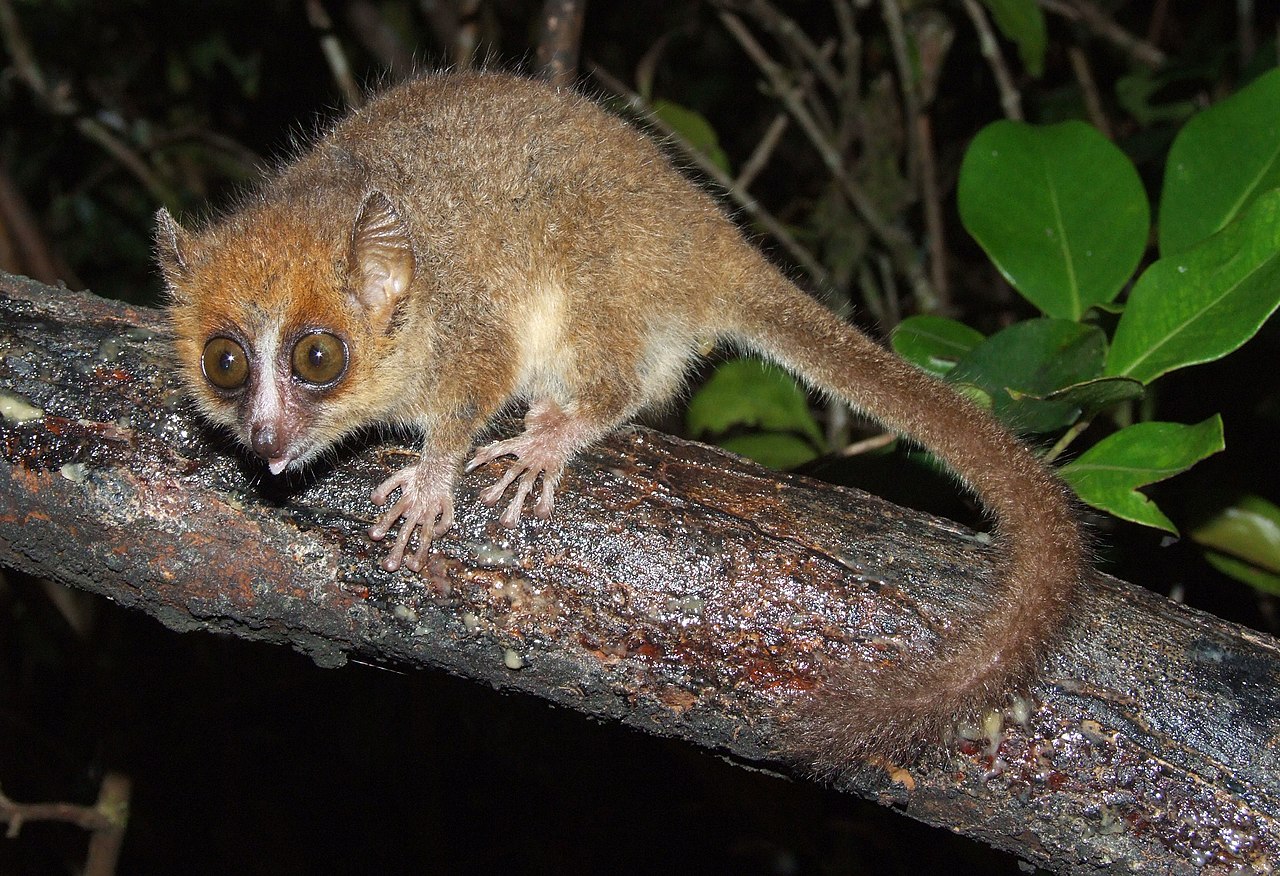
Weighing in at a mere 43–55 grams, the pygmy mouse lemur holds the distinction of being the second smallest of all mouse lemur species. Its dorsal fur exhibits a rufous-brown hue, providing camouflage against the dry forest floor, while its ventral side is a contrasting creamy-white. This coloration is typical of many small mammals, aiding in thermoregulation and predator avoidance. The overall body length, excluding the tail, is approximately 10-12 cm, making it easily concealable within its arboreal environment. Its delicate build underscores its vulnerability to environmental changes and predation.
🌳 Habitat: From Dry Forests to Mangroves
The primary habitat of the pygmy mouse lemur is the dry deciduous forests of western Madagascar. These forests are characterized by distinct wet and dry seasons, with the lemurs adapting their behavior and physiology to these cycles. However, the species has also been found in less typical environments, including mangrove forests. This discovery in mangrove ecosystems is particularly noteworthy, as it suggests a resilience and adaptability that may be crucial for its survival in a region facing widespread habitat loss. The fragmentation of these forests poses a significant threat, isolating populations and limiting gene flow.
🌙 Nocturnal Habits: A Glimpse into Their Secret Lives
As a strictly nocturnal primate, the pygmy mouse lemur is most active during the night. During daylight hours, they typically rest in tree hollows, leaf nests, or dense foliage, emerging after dusk to forage and engage in social activities. Their large eyes are adapted for low-light conditions, allowing them to navigate their environment effectively in the dark. Understanding their nocturnal patterns is crucial for researchers attempting to study their behavior and for conservationists aiming to protect their habitats from human disturbance during their active periods.
🍎 Diet: What Fuels These Miniature Mammals
The diet of the pygmy mouse lemur is varied, reflecting its opportunistic foraging strategy. It primarily consists of insects, nectar, and small fruits. During the dry season, when food resources may become scarce, they are known to supplement their diet with tree gum. This dietary flexibility is a key adaptation to the fluctuating availability of food in their environment. Further research into their specific dietary preferences and seasonal variations is ongoing, providing insights into their ecological role within the Madagascan ecosystem.
🦥 Conservation Status: A Fragile Existence
The conservation status of the pygmy mouse lemur is a critical concern. It is currently listed as Endangered by the IUCN. The primary threats to its survival are habitat loss and fragmentation, driven by deforestation for agriculture, charcoal production, and logging. The specific dry deciduous forests it inhabits are among the most threatened forest types in Madagascar. Without significant conservation efforts and a reduction in human pressures, the long-term survival of this species remains precarious. Efforts are underway to establish protected areas and promote sustainable land-use practices.
🔍 Distinguishing Features: Beyond the Basics
Beyond its diminutive size and rufous-brown dorsal coloring, the pygmy mouse lemur possesses several distinguishing features. Its relatively large ears, compared to its head size, are highly mobile and likely play a role in detecting insect prey. The tail, which is roughly the same length as its body, is well-furred and used for balance during arboreal locomotion. Unlike some other nocturnal mammals, its vocalizations are generally soft and high-pitched, making them difficult to detect. These subtle characteristics contribute to its elusive nature in the wild.
📸 Photography Tips: Capturing the Elusive
Photographing the pygmy mouse lemur presents a unique challenge due to its small size, nocturnal habits, and preference for dense forest cover. The best opportunities arise during twilight hours or with the use of specialized low-light camera equipment. When attempting to photograph them, it is imperative to use a telephoto lens to maintain a respectful distance and avoid disturbing the animal. Flash photography should be used sparingly, if at all, as it can disorient and stress the lemurs. Patience is key; observing their natural behavior from a concealed position will yield the most authentic and ethical images of these rare primates.
⚖️ Comparison: Pygmy Mouse Lemur vs. Other Mouse Lemurs
When considering the diversity within the mouse lemur family, the pygmy mouse lemur stands out. While all mouse lemurs are small and nocturnal, the pygmy mouse lemur is notably smaller than species like the common brown mouse lemur (Microcebus rufus) or the gray mouse lemur (Microcebus murinus). Its dorsal coloration is typically more rufous than the grayer tones of some of its relatives. Behavioral differences, such as specific foraging techniques and nesting preferences, also differentiate it from other members of the genus Microcebus, though much of this remains an active area of scientific inquiry.
💡 Interesting Facts: Jaw-Dropping Details
The pygmy mouse lemur is the smallest primate in Madagascar, a title often mistakenly attributed to other species. Despite its tiny stature, it plays a vital role in its ecosystem, primarily as an insectivore, helping to control insect populations. Its ability to inhabit both dry forests and mangroves showcases a remarkable ecological flexibility. Tragically, it is estimated that over 90% of Madagascar's original dry deciduous forest has been lost, placing immense pressure on species like the pygmy mouse lemur. The discovery of this species in the 1990s by Rodin Rasoloarison and colleagues highlights how much of Madagascar's biodiversity remains to be discovered and protected.
Key Facts
- Year
- 1894
- Origin
- Discovered and described by zoologist Charles Immanuel Forsyth Major in 1894.
- Category
- Wildlife / Zoology
- Type
- Species
Frequently Asked Questions
What is the scientific name for the pygmy mouse lemur?
The scientific name for the pygmy mouse lemur is Microcebus myoxinus. This binomial nomenclature is crucial for distinguishing it from other closely related species within the Microcebus genus. Understanding its scientific classification helps in tracking research and conservation efforts globally.
What is the average weight of a pygmy mouse lemur?
The pygmy mouse lemur is exceptionally small, typically weighing between 43 and 55 grams (1.5 to 1.9 ounces). This makes it one of the smallest primates in the world, second only to some other mouse lemur species. Its light weight allows it to move easily through the forest canopy.
Where can I see a pygmy mouse lemur in the wild?
Seeing a pygmy mouse lemur in the wild is challenging due to their nocturnal nature and elusive behavior. They are found in the dry deciduous forests and mangrove areas of western Madagascar, particularly within protected zones like the Tsingy de Bemaraha Nature Reserve. Guided eco-tours focusing on nocturnal wildlife offer the best chance, but sightings are not guaranteed.
Are pygmy mouse lemurs endangered?
Yes, the pygmy mouse lemur is classified as Endangered by the International Union for Conservation of Nature (IUCN). The primary threats are habitat loss and fragmentation due to deforestation for agriculture and logging. Conservation efforts are focused on protecting their remaining forest habitats and mitigating human impact.
What do pygmy mouse lemurs eat?
Their diet is varied and opportunistic, consisting mainly of insects, nectar, and small fruits. They are also known to consume tree gum, especially during the dry season when other food sources may be scarce. This dietary flexibility is an important adaptation to their environment.
How do pygmy mouse lemurs differ from other mouse lemurs?
The pygmy mouse lemur is distinguished by its exceptionally small size, making it the second smallest mouse lemur. It typically has a more rufous-brown dorsal coloration compared to the grayer tones of some other species. While all mouse lemurs are nocturnal and insectivorous/frugivorous, specific behavioral patterns and habitat preferences can vary.