
Contents
Overview
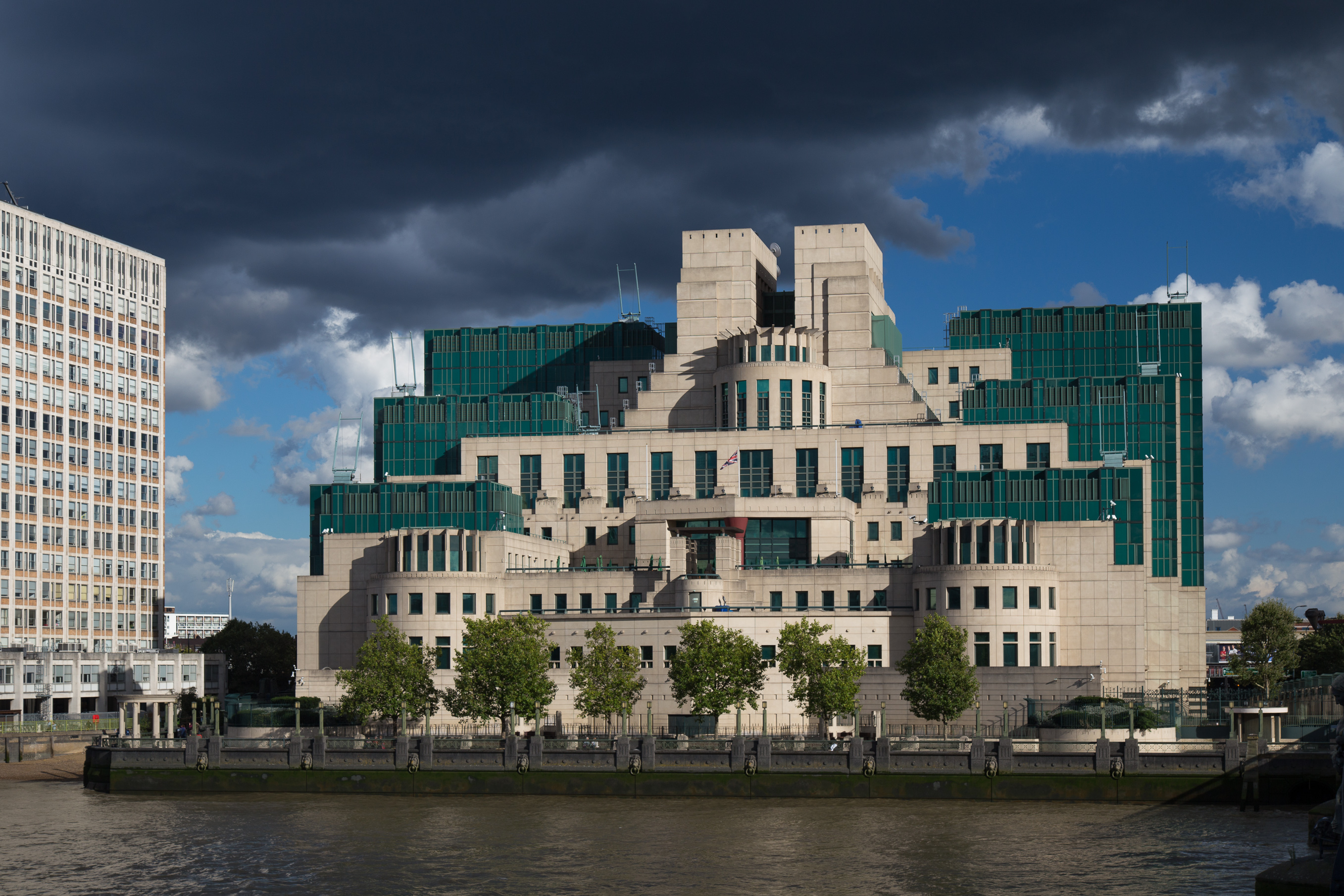
MI6, officially known as the Secret Intelligence Service (SIS), is the United Kingdom's foreign intelligence agency. Its mandate centers on the covert collection and analysis of human intelligence (HUMINT) from individuals abroad, crucial for supporting national security and the interests of its Five Eyes intelligence alliance partners. Operating under the authority of the Foreign Secretary, SIS has historically been shrouded in secrecy, with its existence only officially acknowledged in 1994. The Intelligence Services Act 1994 provided a statutory basis for its operations. Headquartered in the distinctive SIS Building at Vauxhall Cross, London, the agency plays a pivotal, albeit often unseen, role in international diplomacy, counter-terrorism, and national defense, making it a cornerstone of British foreign policy and global intelligence operations.
🎵 Origins & History
The genesis of MI6 can be traced back to 1909 with the formation of the Foreign Section of the Secret Service Bureau, a joint initiative by the War Office and the Admiralty to counter German espionage. The moniker "MI6" itself emerged as a convenient shorthand during World War II, when the service was known by numerous labels, a practice that persisted due to its pervasive use. For decades, the existence of the SIS was an open secret, officially unacknowledged until 1994, when the Intelligence Services Act 1994 finally provided a statutory basis for its operations, solidifying its role within the British intelligence community.
⚙️ How It Works
MI6's operational methodology hinges on the clandestine gathering of human intelligence (HUMINT) from foreign nationals. This involves recruiting and managing agents abroad to obtain sensitive information on matters of national security, including terrorism, proliferation of weapons of mass destruction, and political instability. The collected intelligence is then meticulously analyzed by case officers and analysts within the agency, often in collaboration with partners from the Central Intelligence Agency, Canadian Security Intelligence Service, Australian Secret Intelligence Service, and New Zealand Security Intelligence Service under the Five Eyes framework. The agency's activities are subject to oversight by the Parliamentary Intelligence and Security Committee and the Foreign Secretary, ensuring a degree of accountability for its covert actions.
📊 Key Facts & Numbers
Since its inception, MI6 has grown into a global operation. The agency's annual budget, while not publicly disclosed, is understood to be a significant portion of the UK's overall intelligence spending. Its operations span worldwide, with a particular focus on regions deemed critical to British national interests. The SIS Building at Vauxhall Cross serves as its primary headquarters, housing a substantial portion of its analytical and operational staff.
👥 Key People & Organizations
The agency's founder, Mansfield Smith-Cumming, set a precedent for leadership that has seen a succession of Directors-General, often referred to as "C." Notable figures include Stewart Menzies, who led the SIS through much of World War II, and John Scarlett, who served as "C" during a period of significant counter-terrorism operations. The Foreign, Commonwealth and Development Office serves as the parent organization, with the Foreign Secretary holding ultimate ministerial responsibility. MI6 also maintains close operational ties with domestic intelligence counterpart, MI5 (Security Service), and the Government Communications Headquarters (GCHQ).
🌍 Cultural Impact & Influence
MI6's clandestine operations have profoundly influenced global events, often shaping diplomatic outcomes and national security strategies without public acknowledgment. Its portrayal in popular culture, most famously through the fictional James Bond franchise created by Ian Fleming, has cemented its image in the public consciousness, though often in a romanticized and sensationalized manner. This cultural resonance, while contributing to its mystique, also presents a challenge in distinguishing between fact and fiction for the public. The agency's real-world impact, from foiling terrorist plots to influencing international relations, remains largely behind the curtain, a testament to its operational ethos.
⚡ Current State & Latest Developments
In the contemporary era, MI6 continues to adapt to evolving global threats, with a heightened focus on cyber intelligence, disinformation campaigns, and the activities of state and non-state actors in cyberspace. The agency has increasingly embraced technological advancements to augment its traditional HUMINT capabilities, integrating signals intelligence and open-source intelligence into its analytical framework. Recent reports indicate a growing emphasis on countering Russian aggression and Chinese influence, alongside ongoing efforts in counter-terrorism and preventing the proliferation of weapons of mass destruction. The agency's operational tempo remains high, reflecting the complex geopolitical landscape of the early 21st century.
🤔 Controversies & Debates
MI6 has been the subject of numerous controversies throughout its history, often stemming from the inherent secrecy of its operations and the ethical dilemmas associated with clandestine activities. Allegations of complicity in extraordinary rendition programs have drawn significant criticism and legal scrutiny. Debates also persist regarding the effectiveness and oversight of its operations, with critics questioning the balance between national security imperatives and civil liberties. The agency's historical use of controversial methods and its role in international interventions have fueled ongoing public and parliamentary discourse about accountability and transparency.
🔮 Future Outlook & Predictions
The future trajectory of MI6 will likely be defined by its ability to navigate an increasingly complex and interconnected world. As cyber threats and information warfare become more sophisticated, the agency will need to further integrate digital capabilities with its core HUMINT strengths. The rise of new global powers and shifting geopolitical alliances will necessitate agile and adaptable intelligence strategies. Furthermore, the ongoing tension between the need for secrecy and demands for greater transparency will continue to shape its operational and public-facing identity. Expect a continued emphasis on technological innovation and international cooperation to address emerging threats.
💡 Practical Applications
MI6's practical applications are vast and critical to national security. Its intelligence gathering directly informs British foreign policy, diplomatic negotiations, and military planning. For instance, intelligence provided by MI6 has been instrumental in disrupting numerous terrorist plots both within the UK and abroad, safeguarding countless lives. It also plays a crucial role in advising the government on international crises, economic security, and the activities of foreign governments and organizations that could impact British interests. The agency's work underpins the UK's ability to project influence and maintain stability on the global stage.
Key Facts
- Category
- organizations
- Type
- organization