
Contents
Overview
The administrative framework of Mexico City has evolved dramatically over centuries, from its Aztec origins as Tenochtitlan to its colonial-era governance and its status as the Federal District (Distrito Federal or D.F.) for much of the 20th century. The D.F. was directly administered by the federal government, lacking the autonomy of a state. A pivotal shift occurred with political reforms, which transformed the D.F. into the Ciudad de México (CDMX) and granted it a new political constitution, establishing a more autonomous government. This reform created the office of the Head of Government, akin to a governor, and a directly elected unicameral legislature, the Congress of Mexico City, replacing the previous Federal Assembly. This transition marked a significant decentralization of power, empowering the city to manage its own affairs more independently, though it still maintains a unique relationship with the federal government of Mexico.
⚙️ How It Works
The Mexico City government operates on a tripartite system: executive, legislative, and judicial. The executive branch is headed by the Head of Government, who appoints the secretaries of various ministries (Secretarías) responsible for specific policy areas like finance, security, and urban development. The legislative branch, the Congress of Mexico City, is a unicameral body responsible for creating laws and approving the city's budget. The judicial branch is led by the Superior Court of Justice of Mexico City, overseeing the city's court system. The city is further divided into 16 boroughs (alcaldías), each with its own directly elected mayor (alcalde) and council, managing local services and neighborhood affairs, creating a multi-layered governance structure.
📊 Key Facts & Numbers
Mexico City's government manages an annual budget that consistently exceeds 200 billion Mexican pesos (approximately $10 billion USD), funding essential services for its residents. The city's economy generates a significant portion of Mexico's GDP, estimated at around 15-17%. Public transportation, a critical component of the city's infrastructure, is utilized by an estimated 5 million people daily, with systems like the Metrobús carrying over 1.2 million passengers per day. The government oversees a vast network of 1,500 public schools and 150 hospitals. Security is a major focus, with the Ministry of Public Security employing over 80,000 officers to patrol the city's 1,600 square kilometers.
👥 Key People & Organizations
The current Head of Government is Clara Brugada, elected in 2024. Key figures within the administrative structure include the Secretaries of Government, Finance, and Urban Development, who are appointed by the Head of Government and lead their respective ministries. The Congress of Mexico City is composed of elected representatives from various political parties, with the MORENA party often holding a significant majority. The judicial branch is presided over by the Chief Justice of the Superior Court of Justice. Important organizations that interact with or are overseen by the city government include the Secretariat of Mobility (SEMOVI), responsible for transportation policy, and the Secretariat of Environment, which manages the city's environmental initiatives and parks.
🌍 Cultural Impact & Influence
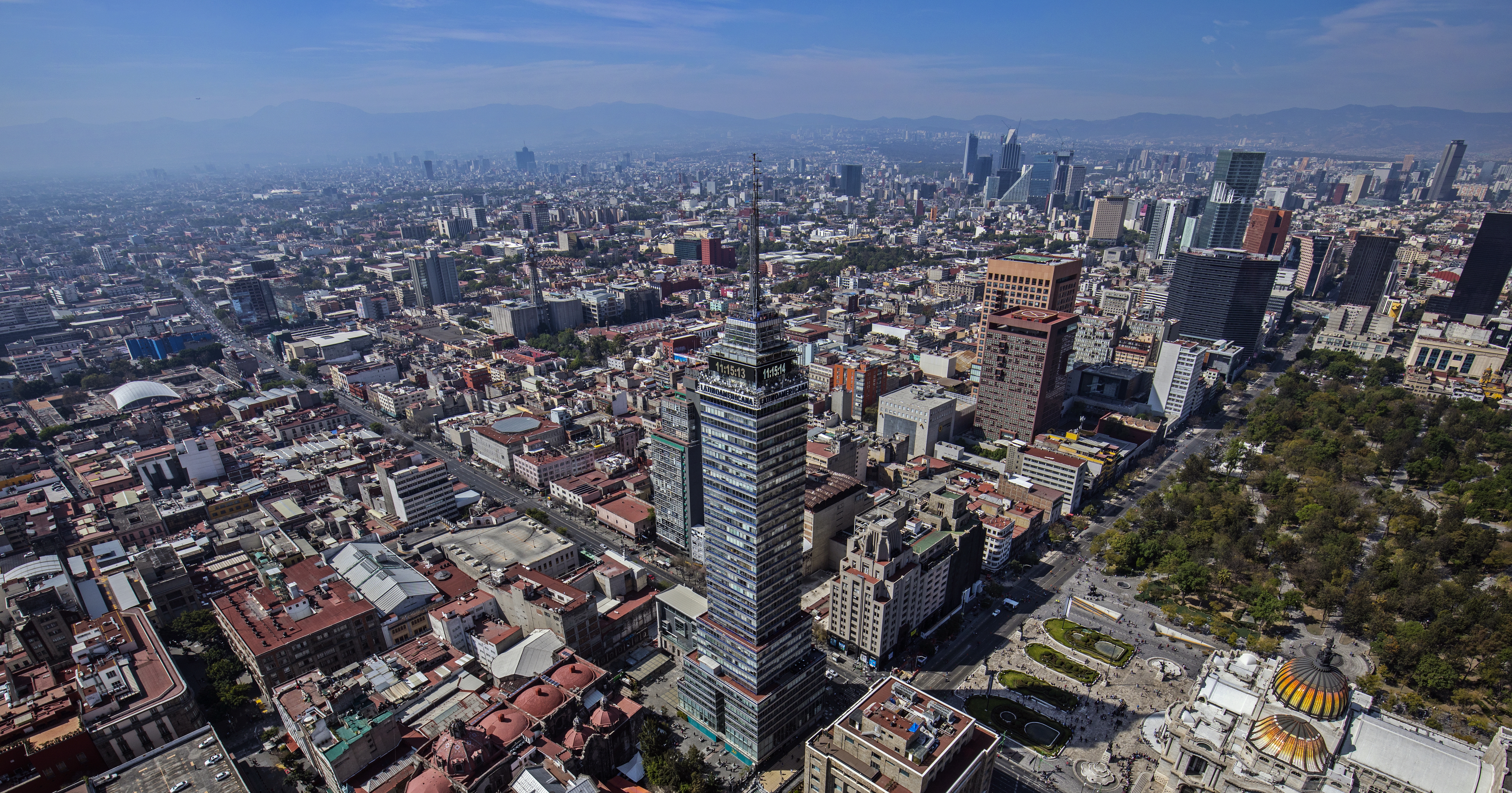
The government of Mexico City plays a crucial role in shaping the cultural landscape of one of the world's most vibrant capitals. Through the Secretariat of Culture, it funds and promotes numerous museums, theaters, and festivals, including the renowned International Film Festival and the annual Day of the Dead parades, which have seen a significant increase in scale and public participation since their formalization by the city government. Urban planning decisions made by the government directly impact the city's iconic architecture and public spaces, from the historic Zócalo to modern developments. The government's policies on public art, historical preservation, and the management of cultural heritage sites significantly influence the city's global image and its appeal to millions of tourists annually, contributing to its classification as an Alpha world city by the GaWC.
⚡ Current State & Latest Developments
As of 2024, the Mexico City government is actively engaged in several major initiatives. Under the administration of Clara Brugada, a strong emphasis is being placed on expanding public transportation networks, particularly the Metrobús system, and improving water infrastructure to address chronic shortages. The government is also implementing new digital governance strategies, aiming to streamline bureaucratic processes and enhance citizen access to services through platforms like cdmx.gob.mx. Security remains a paramount concern, with ongoing efforts to reform and strengthen the Ministry of Public Security. The city is also preparing for significant infrastructure upgrades related to climate resilience, particularly concerning seismic activity and water management, following lessons learned from past events like the 2017 earthquakes.
🤔 Controversies & Debates
The Mexico City government faces persistent controversies, notably concerning corruption and bureaucratic inefficiency, issues that have plagued its predecessors for decades. The allocation of public funds, particularly in large infrastructure projects, is frequently scrutinized by watchdog groups and the media. Public transportation, while extensive, is often criticized for overcrowding and maintenance issues, leading to frequent service disruptions. Another significant debate revolves around urban development and gentrification, with critics arguing that new construction projects displace long-term residents and alter the city's historic character. The management of water resources and the city's vulnerability to seismic activity also remain contentious issues, with ongoing debates about the adequacy of preparedness and response measures.
🔮 Future Outlook & Predictions
The future trajectory of the Mexico City government is likely to be shaped by its ongoing efforts to balance rapid urbanization with sustainable development and social equity. Key predictions include further integration of smart city technologies to manage traffic, public services, and security, potentially leveraging AI for predictive analytics. The push for greater autonomy from the federal government may continue, with CDMX seeking more control over its fiscal resources and policy-making. Climate change adaptation, particularly concerning water scarcity and seismic resilience, will undoubtedly remain a central focus, potentially driving innovation in infrastructure and urban planning. The government's ability to address persistent issues like inequality and public safety will be critical to its long-term legitimacy and the well-being of its citizens.
💡 Practical Applications
The Mexico City government's practical applications are vast, touching nearly every aspect of daily life for its residents. It is responsible for the operation and maintenance of the extensive public transportation system, including the Metro, Metrobús, and trolleybuses, facilitating daily commutes for millions. The government issues permits and licenses for businesses, construction projects, and various public activities, regulating economic and urban development. It manages public health services through its network of hospitals and clinics, and oversees educational institutions from primary schools to specialized vocational training centers. Furthermore, it is instrumental in organizing public safety initiatives, emergency response protocols, and disaster preparedness, particularly given the city's seismic vulnerability.
Key Facts
- Category
- platforms
- Type
- topic