
Contents
Overview
The genesis of Mediterranean Shipping Company (MSC) traces back to 1970, when Italian entrepreneur Gianluigi Aponte and his wife Rafaela Aponte-Diamant purchased their first vessel, the MV Patricia. This humble beginning, fueled by a vision to connect the Mediterranean trade routes, laid the groundwork for what would become a global shipping empire. By 1978, the company had established its headquarters in Geneva, Switzerland, a strategic move that would anchor its international operations. Unlike many publicly traded giants, MSC has remained resolutely family-owned, a characteristic that has allowed for swift decision-making and a long-term investment horizon. This private structure, under the continued leadership of the Aponte family, has been instrumental in its relentless expansion, enabling it to weather market fluctuations and pursue ambitious acquisitions.
⚙️ How It Works
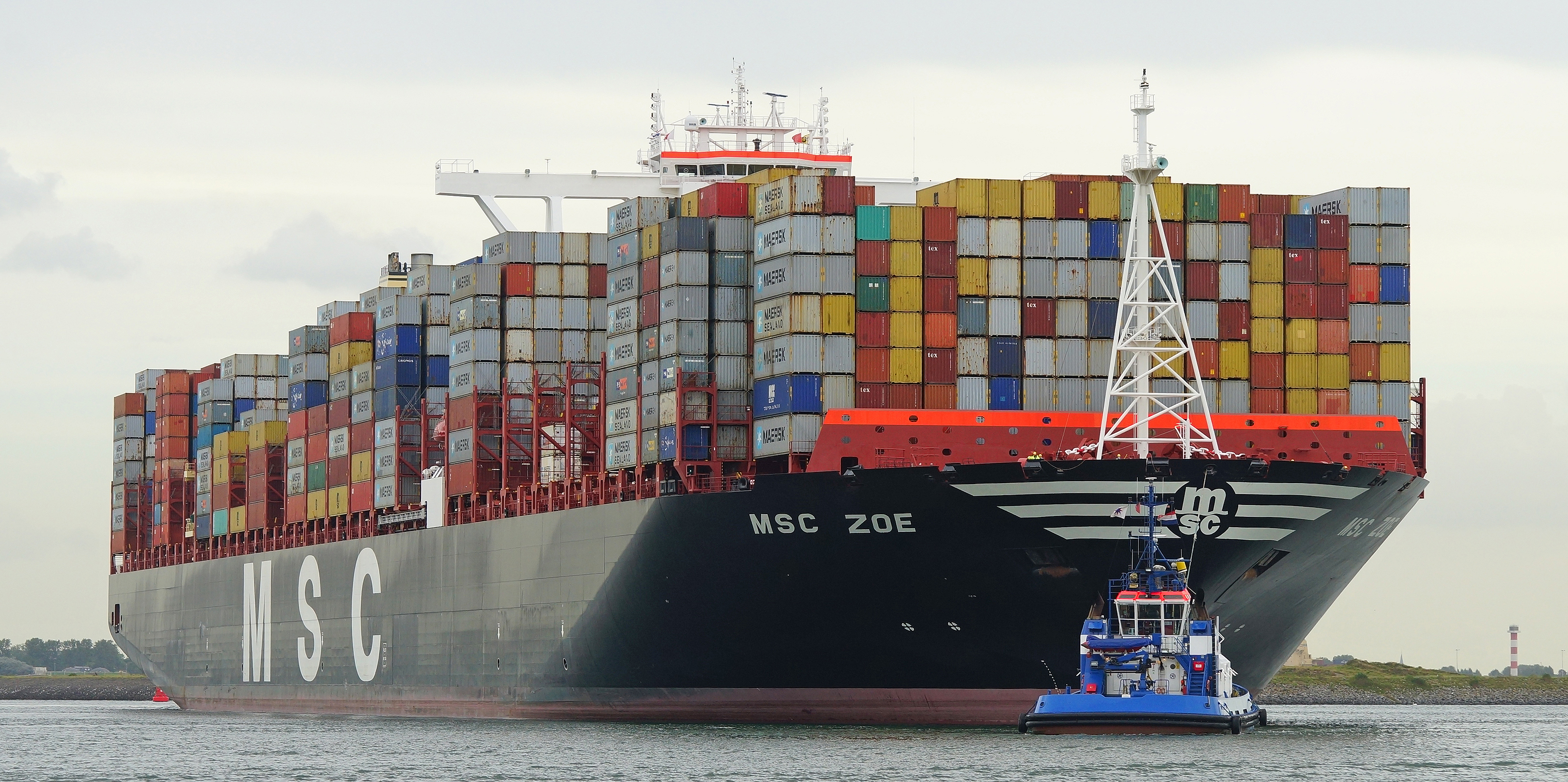
MSC's operational prowess lies in its colossal container fleet and sophisticated logistics network. The company deploys a vast array of vessels, ranging from ultra-large container ships (ULCS) capable of carrying over 24,000 TEUs, to smaller feeder vessels that navigate intricate regional routes. Each ship is a marvel of engineering, designed for maximum cargo density and fuel efficiency, often featuring advanced hull designs and propulsion systems. The company's network extends far beyond the sea lanes; through subsidiaries and strategic partnerships, MSC manages intermodal transport, connecting ports to inland destinations via rail and road. This integrated approach ensures a seamless flow of goods from origin to final destination, a critical component of its success in the modern global supply chain, managed through complex scheduling software and real-time tracking systems.
📊 Key Facts & Numbers
MSC is headquartered in Geneva, Switzerland. The company owns cruise lines such as MSC Cruises and Explora Journeys, and has diversified into rail freight, cargo aviation, and other logistics firms. MSC's vessel designs have pressured ports and infrastructure globally to adapt, driving significant investment in dredging and terminal upgrades. Furthermore, MSC's diversification into cruise lines has contributed to the booming tourism industry, offering a distinct maritime leisure experience that competes directly with established players like Carnival Corporation. The company's influence is so pervasive that its operational decisions can ripple through economies, impacting everything from consumer prices to employment in port cities.
👥 Key People & Organizations
The Aponte family remains at the heart of MSC's governance. Soren Toft, a former executive at Maersk, joined MSC as Chief Operating Officer in December 2020, bringing significant industry experience to the executive team. Beyond the core shipping line, MSC Group encompasses a diverse portfolio of subsidiaries, including the prominent MSC Cruises, the luxury Explora Journeys, and significant stakes in logistics giants like Bolloré Africa Logistics, demonstrating a strategic consolidation of influence across the transport sector.
🌍 Cultural Impact & Influence
MSC's sheer scale has profoundly influenced global trade patterns and the economics of international commerce. Its ability to move vast quantities of goods at competitive prices has enabled the globalization of supply chains, making products from distant lands accessible and affordable worldwide. The company's vessel designs, particularly the trend towards larger ships, have pressured ports and infrastructure globally to adapt, driving significant investment in dredging and terminal upgrades. Furthermore, MSC's diversification into cruise lines has contributed to the booming tourism industry, offering a distinct maritime leisure experience that competes directly with established players like Carnival Corporation. The company's influence is so pervasive that its operational decisions can ripple through economies, impacting everything from consumer prices to employment in port cities.
⚡ Current State & Latest Developments
In the immediate aftermath of the COVID-19 pandemic and subsequent supply chain disruptions, MSC has continued its trajectory of growth and strategic acquisition. The company has been actively investing in new, more fuel-efficient vessels, including LNG-powered ships, to meet evolving environmental regulations and reduce its carbon footprint. Recent developments include significant investments in port infrastructure and logistics hubs globally, as well as the continued expansion of its cruise divisions, MSC Cruises and Explora Journeys. The acquisition of a significant stake in Italo further solidifies MSC's ambition to become a comprehensive global logistics and mobility provider.
🤔 Controversies & Debates
MSC's dominance has not been without its controversies. The company has faced scrutiny regarding its environmental impact, despite investments in greener technologies. Labor practices within the shipping industry, including those at MSC, have also been a subject of debate, with unions and advocacy groups calling for improved working conditions and wages for seafarers. Furthermore, the company's private ownership structure, while enabling agility, has led to criticisms regarding transparency and accountability compared to publicly traded competitors. The sheer market power wielded by MSC also raises concerns about potential anti-competitive practices and its influence over global shipping rates, a topic frequently discussed by industry analysts and regulators.
🔮 Future Outlook & Predictions
The future for MSC appears to be one of continued expansion and diversification, with a strong emphasis on sustainability and integrated logistics solutions. The company is expected to continue its fleet modernization, prioritizing vessels that meet stringent environmental standards, potentially including further adoption of alternative fuels like green ammonia or methanol. MSC's strategic vision likely involves deepening its control over the entire supply chain, from port operations to last-mile delivery, potentially through further acquisitions and strategic alliances. The growth of its cruise divisions, particularly the luxury Explora Journeys brand, suggests a significant push into the premium leisure market. Analysts predict MSC will maintain its position as a leading global shipping line, leveraging its family ownership and financial strength to navigate future market shifts and technological advancements.
💡 Practical Applications
MSC's services are fundamental to the global economy, underpinning international trade by transporting a vast array of goods. Its container shipping operations are critical for industries ranging from automotive and electronics to textiles and agriculture, ensuring that raw materials and finished products reach their destinations efficiently. Beyond cargo, MSC's cruise lines provide leisure and travel experiences for millions of passengers annually, contributing significantly to the global tourism sector. The company's investments in rail and logistics infrastructure facilitate intermodal transportation, optimizing supply chains for businesses and reducing transit times. Furthermore, MSC's cargo aircraft division offers expedited shipping solutions for time-sensitive goods, complementing its maritime services.
Key Facts
- Category
- platforms
- Type
- topic