
Contents
- 🏰 Introduction to Medieval European Art
- 📚 The Rise of Illuminated Manuscripts
- 🎨 The Emergence of Gothic Art
- 🕊️ The Role of Symbolism in Medieval Art
- 👑 The Patronage of the Church and Nobility
- 🏛️ The Development of Architectural Styles
- 🖌️ The Art of Stained Glass and Mosaics
- 📸 The Influence of Medieval Art on Modern Times
- 🤔 Controversies and Debates in Medieval Art
- 📚 The Legacy of Medieval European Art
- 👥 The Artists and Craftsmen of Medieval Europe
- Frequently Asked Questions
- Related Topics
Overview
Medieval European art, spanning from the 5th to the 15th century, is a testament to the region's rich cultural heritage. This period saw the rise of iconic styles such as Gothic and Romanesque, characterized by grandiose cathedrals, intricate manuscripts, and symbolic sculptures. The influence of Christianity is palpable, with many artworks serving as visual representations of biblical narratives. Notable figures like Cimabue and Giotto pioneered the development of fresco techniques, while the works of Hildegard of Bingen and the Limbourg brothers exemplify the era's fascination with illuminated manuscripts. With a vibe score of 8, medieval European art continues to captivate audiences with its mystique and historical significance. As we look to the future, it's intriguing to consider how these ancient masterpieces will be reinterpreted and reimagined in the digital age, potentially reaching a wider audience and sparking new artistic movements.
🏰 Introduction to Medieval European Art
Medieval European art, spanning from the 5th to the 15th century, is a realm of grandeur and symbolism. This period saw the rise of Medieval Architecture and the development of Gothic Art. The art of this era was heavily influenced by the Catholic Church and the nobility, who were the primary patrons of the arts. The use of Symbolism in Art was a key element in medieval art, with many works featuring intricate details and hidden meanings. The History of Illuminated Manuscripts is a fascinating topic, with many beautiful examples still surviving today. The art of medieval Europe was not limited to visual arts, with Medieval Music and Medieval Literature also thriving during this period.
📚 The Rise of Illuminated Manuscripts
Illuminated manuscripts were a staple of medieval European art, with many beautiful examples still surviving today. The Book of Kells is one of the most famous examples of an illuminated manuscript, featuring intricate details and colorful illustrations. The art of Calligraphy was also highly prized during this period, with many monks and scribes spending years perfecting their craft. The use of Gold Leaf and other precious materials added to the grandeur and beauty of these manuscripts. The History of Illuminated Manuscripts is a fascinating topic, with many examples of these beautiful works still surviving today. The influence of Byzantine Art can also be seen in the development of illuminated manuscripts.
🎨 The Emergence of Gothic Art
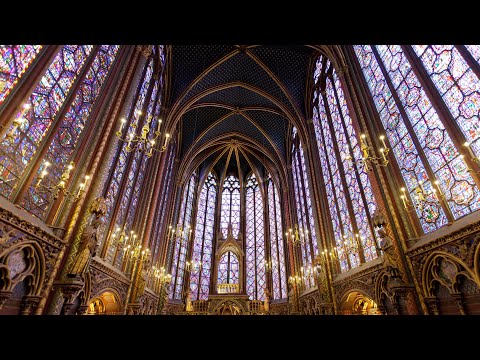
Gothic art emerged in the 12th century and is characterized by its use of Pointed Arches and Ribbed Vaults. The Notre Dame Cathedral in Paris is one of the most famous examples of Gothic architecture, featuring stunning stained glass windows and intricate carvings. The use of Flying Buttresses allowed for the construction of larger and more complex buildings, which became a hallmark of Gothic architecture. The Gothic Art movement also saw the development of Stained Glass and Mosaics, which added to the beauty and grandeur of these buildings. The influence of Roman Art can also be seen in the development of Gothic architecture.
🕊️ The Role of Symbolism in Medieval Art
Symbolism played a crucial role in medieval European art, with many works featuring intricate details and hidden meanings. The use of Christian Symbolism was particularly prevalent, with many works featuring symbols such as the Cross and the Lamb. The Tree of Life was also a popular symbol, representing the connection between heaven and earth. The use of Color Symbolism was also important, with different colors representing different virtues and vices. The Symbolism in Art of medieval Europe is a fascinating topic, with many examples of these symbols still surviving today. The influence of Celtic Art can also be seen in the use of symbolism in medieval art.
👑 The Patronage of the Church and Nobility
The patronage of the Church and nobility was essential to the development of medieval European art. The Catholic Church was the primary patron of the arts, with many monasteries and cathedrals being built during this period. The nobility also played a significant role, with many kings and queens commissioning works of art for their palaces and castles. The use of Patronage allowed artists to focus on their craft, without having to worry about making a living. The Medieval Patronage system was complex, with many different levels of patronage and support. The influence of Islamic Art can also be seen in the use of geometric patterns and calligraphy in medieval art.
🏛️ The Development of Architectural Styles
The development of architectural styles during the medieval period was significant, with many different styles emerging. The Roman Architecture style was particularly influential, with many buildings featuring Arches and Columns. The Gothic Architecture style emerged in the 12th century and is characterized by its use of Pointed Arches and Ribbed Vaults. The Byzantine Architecture style was also influential, with many buildings featuring Domes and Minarets. The Medieval Architecture of Europe is a fascinating topic, with many examples of these styles still surviving today. The influence of Norman Architecture can also be seen in the development of medieval architecture.
🖌️ The Art of Stained Glass and Mosaics
The art of stained glass and mosaics was highly prized during the medieval period, with many beautiful examples still surviving today. The Stained Glass windows of the Notre Dame Cathedral in Paris are particularly famous, featuring intricate details and colorful illustrations. The use of Mosaics was also popular, with many buildings featuring intricate patterns and designs. The Byzantine Mosaics of the Hagia Sophia in Istanbul are particularly famous, featuring stunning examples of this art form. The influence of Islamic Mosaics can also be seen in the use of geometric patterns and calligraphy in medieval art.
📸 The Influence of Medieval Art on Modern Times
The influence of medieval European art on modern times is significant, with many artists and architects drawing inspiration from this period. The Gothic Revival movement of the 19th century saw a renewed interest in medieval architecture and art, with many buildings featuring Pointed Arches and Ribbed Vaults. The Art Nouveau movement also drew inspiration from medieval art, with many artists featuring intricate details and flowing lines in their work. The Modern Architecture of today is also influenced by medieval European art, with many buildings featuring Stained Glass and Mosaics. The influence of Medieval Art can also be seen in the use of symbolism and color in modern art.
🤔 Controversies and Debates in Medieval Art
There are many controversies and debates surrounding medieval European art, with many scholars arguing over the interpretation of different works. The Iconoclasm controversy of the 8th century saw a debate over the use of images in worship, with many scholars arguing that images were idolatrous. The Catholic Church also played a significant role in the development of medieval art, with many scholars arguing over the influence of the Church on artistic expression. The Medieval Art Controversies are a fascinating topic, with many different perspectives and interpretations. The influence of Protestant Reformation can also be seen in the development of medieval art, with many artists and architects drawing inspiration from this movement.
📚 The Legacy of Medieval European Art
The legacy of medieval European art is significant, with many beautiful examples still surviving today. The Medieval Architecture of Europe is a fascinating topic, with many different styles and influences. The Gothic Art movement is particularly famous, with many stunning examples of this style still surviving today. The Stained Glass and Mosaics of the medieval period are also highly prized, with many beautiful examples still surviving today. The influence of Medieval Art can also be seen in the use of symbolism and color in modern art. The Medieval Art Legacy is a fascinating topic, with many different perspectives and interpretations.
👥 The Artists and Craftsmen of Medieval Europe
The artists and craftsmen of medieval Europe were highly skilled, with many beautiful examples of their work still surviving today. The Medieval Artists were often monks and scribes, who spent years perfecting their craft. The Medieval Craftsmen were also highly skilled, with many beautiful examples of their work still surviving today. The Stained Glass Artists of the medieval period were particularly famous, with many stunning examples of their work still surviving today. The influence of Medieval Art can also be seen in the use of symbolism and color in modern art. The Medieval Artists and Craftsmen are a fascinating topic, with many different perspectives and interpretations.
Key Facts
- Year
- 500
- Origin
- Europe
- Category
- Art History
- Type
- Art Movement
Frequently Asked Questions
What is medieval European art?
Medieval European art refers to the art of Europe during the medieval period, which spanned from the 5th to the 15th century. This period saw the rise of Medieval Architecture and the development of Gothic Art. The art of this era was heavily influenced by the Catholic Church and the nobility, who were the primary patrons of the arts. The use of Symbolism in Art was a key element in medieval art, with many works featuring intricate details and hidden meanings.
What are some of the key characteristics of medieval European art?
Some of the key characteristics of medieval European art include the use of Symbolism in Art, the development of Gothic Art, and the use of Stained Glass and Mosaics. The art of this era was also heavily influenced by the Catholic Church and the nobility, who were the primary patrons of the arts. The use of Color Symbolism was also important, with different colors representing different virtues and vices.
Who were some of the most famous medieval European artists?
Some of the most famous medieval European artists include the Book of Kells artists, who created one of the most famous examples of an illuminated manuscript. The Stained Glass Artists of the medieval period were also particularly famous, with many stunning examples of their work still surviving today. The Gothic Architects of the medieval period were also highly skilled, with many beautiful examples of their work still surviving today.
What is the legacy of medieval European art?
The legacy of medieval European art is significant, with many beautiful examples still surviving today. The Medieval Architecture of Europe is a fascinating topic, with many different styles and influences. The Gothic Art movement is particularly famous, with many stunning examples of this style still surviving today. The influence of Medieval Art can also be seen in the use of symbolism and color in modern art.
How did medieval European art influence modern art?
Medieval European art had a significant influence on modern art, with many artists and architects drawing inspiration from this period. The Gothic Revival movement of the 19th century saw a renewed interest in medieval architecture and art, with many buildings featuring Pointed Arches and Ribbed Vaults. The Art Nouveau movement also drew inspiration from medieval art, with many artists featuring intricate details and flowing lines in their work.
What are some of the most famous examples of medieval European art?
Some of the most famous examples of medieval European art include the Book of Kells, the Stained Glass windows of the Notre Dame Cathedral, and the Mosaics of the Hagia Sophia. The Gothic Architecture of the medieval period is also particularly famous, with many stunning examples of this style still surviving today.
How did the Catholic Church influence medieval European art?
The Catholic Church had a significant influence on medieval European art, with many works featuring Christian Symbolism and other religious themes. The Church was also a major patron of the arts, with many monasteries and cathedrals being built during this period. The use of Symbolism in Art was a key element in medieval art, with many works featuring intricate details and hidden meanings.