
Contents
- 🏛️ Introduction to Medici Chapel
- 🕊️ History of the Medici Family
- 🏗️ Architecture of the Chapel
- 🎨 Artistic Contributions
- 👑 The Medici Dynasty
- 💀 Tombs of the Medici
- 🕴️ Sculptures and Decorations
- 🔍 Symbolism and Interpretation
- 📸 Preservation and Restoration
- 👥 Visitor Information
- 📚 Bibliography and References
- 👀 Conclusion and Legacy
- Frequently Asked Questions
- Related Topics
Overview
The Medici Chapel, designed by Michelangelo and constructed between 1520 and 1534, is a seminal work of Renaissance architecture and art, showcasing the artistic and cultural prowess of the Medici family. Located in Florence, Italy, the chapel is renowned for its stunning sculptures, intricate stone carvings, and innovative use of space. The chapel's design and construction were influenced by the cultural and artistic movements of the time, including the rise of humanism and the revival of classical Greek and Roman styles. With a vibe score of 8, the Medici Chapel is a must-visit destination for art lovers and historians alike. The chapel's intricate details, such as the ornate tombs of Lorenzo and Giuliano de' Medici, demonstrate the exceptional craftsmanship of the era. As a testament to the enduring legacy of the Medici family, the chapel continues to inspire wonder and awe in visitors from around the world, with over 1 million visitors annually.
🏛️ Introduction to Medici Chapel
The Medici Chapel, also known as the Cappella Medicea, is a chapel located in the Basilica of San Lorenzo in Florence, Italy. It was built in the 16th century for the Medici family, who were powerful bankers and rulers of Florence. The chapel is famous for its stunning architecture and beautiful artworks, including sculptures by Michelangelo. The Medici Chapel is considered one of the most important examples of Renaissance art and architecture in Italy. Visitors can explore the chapel and see the stunning works of art on display, including the famous Night and Day sculpture. The chapel is also a significant historical site, with many important events having taken place there, including the funeral of Lorenzo de' Medici.
🕊️ History of the Medici Family
The Medici family was a powerful and influential family in Florence, Italy, during the Renissance. They were known for their wealth, political power, and cultural achievements. The family produced four popes, including Pope Leo X and Pope Clement VII. The Medici family was also known for their patronage of the arts, and they commissioned many famous artists, including Michelangelo and Leonardo da Vinci, to create works of art for them. The Medici family's legacy can still be seen in Florence today, with many buildings and artworks bearing their name, including the Uffizi Gallery and the Palazzo Pitti. The family's history is also closely tied to the history of Florence, and their influence can still be felt in the city today. The Medici family's story is also closely linked to the Italian Renaissance, a time of great cultural and artistic achievement in Italy.
🏗️ Architecture of the Chapel
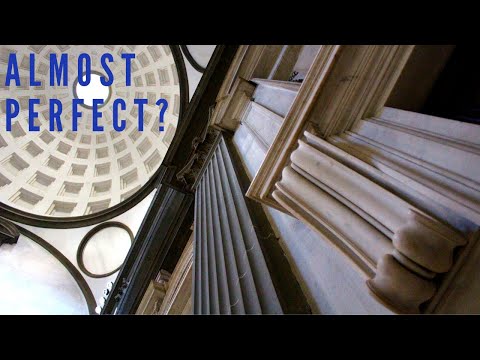
The architecture of the Medici Chapel is a masterpiece of Renaissance architecture. The chapel was designed by Michelangelo, who is widely considered one of the greatest artists of all time. The chapel's design is characterized by its use of classical elements, such as columns and arches, and its beautiful proportions. The chapel's interior is decorated with stunning artworks, including sculptures and paintings, and its exterior is adorned with intricate carvings and ornate details. The chapel is also notable for its use of marble, which was a highly prized material in Renaissance Italy. The Medici Chapel's architecture has been widely influential, and it has inspired many other buildings and artworks throughout history, including the St Peter's Basilica in Rome. The chapel's design is also closely linked to the art of the Renaissance, which emphasized beauty, proportion, and harmony.
🎨 Artistic Contributions
The Medici Chapel is home to many beautiful artworks, including sculptures by Michelangelo and paintings by Sandro Botticelli. The chapel's most famous artwork is probably the Night and Day sculpture, which is considered one of the greatest works of art of all time. The sculpture depicts the passage of time, with the figures of Night and Day representing the cyclical nature of life. The chapel is also decorated with many other artworks, including paintings, tapestries, and ornate furnishings. The Medici Chapel's artworks are not only beautiful but also highly symbolic, and they reflect the cultural and artistic values of the Renissance. The chapel's artworks are also closely linked to the history of art, and they have influenced many other artists and artworks throughout history, including the Baroque art movement.
👑 The Medici Dynasty
The Medici dynasty was a powerful and influential family in Florence, Italy, during the Renissance. The family produced four popes, including Pope Leo X and Pope Clement VII, and they were known for their wealth, political power, and cultural achievements. The Medici family was also known for their patronage of the arts, and they commissioned many famous artists, including Michelangelo and Leonardo da Vinci, to create works of art for them. The Medici family's legacy can still be seen in Florence today, with many buildings and artworks bearing their name, including the Uffizi Gallery and the Palazzo Pitti. The family's history is also closely tied to the history of Florence, and their influence can still be felt in the city today. The Medici family's story is also closely linked to the Italian Renaissance, a time of great cultural and artistic achievement in Italy.
💀 Tombs of the Medici
The Medici Chapel is the final resting place of many members of the Medici family, including Lorenzo de' Medici and Cosimo de' Medici. The chapel's tombs are decorated with stunning artworks, including sculptures and paintings, and they reflect the cultural and artistic values of the Renissance. The tombs are also notable for their use of marble, which was a highly prized material in Renaissance Italy. The Medici Chapel's tombs are not only beautiful but also highly symbolic, and they reflect the family's wealth, power, and influence. The chapel's tombs are also closely linked to the history of funeral customs, and they reflect the cultural and artistic values of the time. The Medici Chapel's tombs are a must-see for anyone interested in art history or the history of the Renaissance.
🕴️ Sculptures and Decorations
The Medici Chapel is decorated with many beautiful sculptures, including works by Michelangelo and Donatello. The chapel's sculptures are not only beautiful but also highly symbolic, and they reflect the cultural and artistic values of the Renissance. The sculptures depict a range of subjects, including biblical figures, mythological creatures, and allegorical scenes. The chapel's sculptures are also notable for their use of marble, which was a highly prized material in Renaissance Italy. The Medici Chapel's sculptures are a must-see for anyone interested in art history or the history of sculpture. The chapel's sculptures are also closely linked to the Italian Renaissance, a time of great cultural and artistic achievement in Italy.
🔍 Symbolism and Interpretation
The Medici Chapel is a highly symbolic and interpretive space, with many artworks and decorations reflecting the cultural and artistic values of the Renissance. The chapel's artworks and decorations are not only beautiful but also highly meaningful, and they reflect the family's wealth, power, and influence. The chapel's symbolism is closely linked to the history of symbolism, and it reflects the cultural and artistic values of the time. The Medici Chapel's symbolism is also closely tied to the Italian Renaissance, a time of great cultural and artistic achievement in Italy. The chapel's symbolism is a must-see for anyone interested in art history or the history of the Renaissance.
📸 Preservation and Restoration
The Medici Chapel has undergone many preservation and restoration projects over the years, with the goal of preserving its stunning artworks and decorations for future generations. The chapel's preservation and restoration are closely linked to the history of preservation, and they reflect the cultural and artistic values of the time. The Medici Chapel's preservation and restoration are also notable for their use of advanced technologies and techniques, including 3D scanning and conservation. The chapel's preservation and restoration are a must-see for anyone interested in art conservation or the history of restoration.
👥 Visitor Information
The Medici Chapel is a popular tourist destination, with many visitors each year. The chapel is open to the public and offers guided tours, including audio guides and guided tours. The chapel is also notable for its stunning artworks and decorations, including sculptures by Michelangelo and paintings by Sandro Botticelli. The Medici Chapel is a must-see for anyone interested in art history or the history of the Renaissance. The chapel is also closely linked to the Uffizi Gallery and the Palazzo Pitti, two other famous cultural institutions in Florence.
📚 Bibliography and References
The Medici Chapel has been the subject of many books and articles over the years, with many scholars and art historians writing about its stunning artworks and decorations. The chapel is also notable for its cultural and artistic significance, and it has been the subject of many studies and analyses. The Medici Chapel is a must-see for anyone interested in art history or the history of the Renaissance. The chapel is also closely linked to the Italian Renaissance, a time of great cultural and artistic achievement in Italy.
👀 Conclusion and Legacy
In conclusion, the Medici Chapel is a stunning example of Renaissance art and architecture, with many beautiful artworks and decorations. The chapel is a must-see for anyone interested in art history or the history of the Renaissance. The chapel's stunning artworks and decorations, including sculptures by Michelangelo and paintings by Sandro Botticelli, reflect the cultural and artistic values of the Renissance. The Medici Chapel's legacy can still be seen in Florence today, with many buildings and artworks bearing the family's name, including the Uffizi Gallery and the Palazzo Pitti.
Key Facts
- Year
- 1520
- Origin
- Florence, Italy
- Category
- Art and Architecture
- Type
- Historical Landmark
Frequently Asked Questions
What is the Medici Chapel?
The Medici Chapel is a chapel located in the Basilica of San Lorenzo in Florence, Italy. It was built in the 16th century for the Medici family, who were powerful bankers and rulers of Florence. The chapel is famous for its stunning architecture and beautiful artworks, including sculptures by Michelangelo.
Who designed the Medici Chapel?
The Medici Chapel was designed by Michelangelo, who is widely considered one of the greatest artists of all time. The chapel's design is characterized by its use of classical elements, such as columns and arches, and its beautiful proportions.
What are the most famous artworks in the Medici Chapel?
The Medici Chapel is home to many beautiful artworks, including sculptures by Michelangelo and paintings by Sandro Botticelli. The chapel's most famous artwork is probably the Night and Day sculpture, which is considered one of the greatest works of art of all time.
Is the Medici Chapel open to the public?
Yes, the Medici Chapel is open to the public and offers guided tours, including audio guides and guided tours. The chapel is a popular tourist destination, with many visitors each year.
What is the cultural significance of the Medici Chapel?
The Medici Chapel is a highly symbolic and interpretive space, with many artworks and decorations reflecting the cultural and artistic values of the Renissance. The chapel's artworks and decorations are not only beautiful but also highly meaningful, and they reflect the family's wealth, power, and influence.
How has the Medici Chapel been preserved and restored?
The Medici Chapel has undergone many preservation and restoration projects over the years, with the goal of preserving its stunning artworks and decorations for future generations. The chapel's preservation and restoration are closely linked to the history of preservation, and they reflect the cultural and artistic values of the time.
What is the legacy of the Medici Chapel?
The Medici Chapel's legacy can still be seen in Florence today, with many buildings and artworks bearing the family's name, including the Uffizi Gallery and the Palazzo Pitti. The chapel's stunning artworks and decorations, including sculptures by Michelangelo and paintings by Sandro Botticelli, reflect the cultural and artistic values of the Renissance.