Materials Waste: The Global Scramble for Stuff We Throw Away
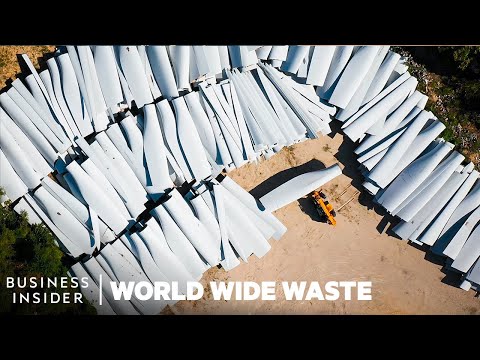
Materials waste isn't just trash; it's a colossal, often overlooked, economic and environmental force. We're talking about the staggering volume of discarded…
Contents
Overview
Materials waste isn't just trash; it's a colossal, often overlooked, economic and environmental force. We're talking about the staggering volume of discarded goods – from single-use plastics choking oceans to e-waste poisoning soil with heavy metals. Globally, humanity generates over 2 billion metric tons of municipal solid waste annually, a figure projected to surge by 70% by 2050 according to the World Bank. This waste represents not only a disposal crisis but also a colossal loss of valuable resources, driving demand for virgin materials and fueling geopolitical tensions over resource access. Understanding the lifecycle of materials, from extraction to disposal, is crucial for navigating this complex web of consumption and consequence.
🌍 What is Materials Waste?
Materials waste, at its core, is the discarded stuff of modern life – everything from single-use plastics and electronic detritus to construction debris and agricultural byproducts. It's the tangible output of our consumption-driven economies, a global torrent of materials that have reached the end of their perceived useful life. This isn't just about landfill fodder; it encompasses valuable resources that, if not managed, represent a colossal economic and environmental loss. Understanding materials waste is crucial for anyone grappling with the realities of resource depletion and the burgeoning circular economy movement.
📈 The Scale of the Problem
The sheer volume of materials waste generated globally is staggering, a number that grows with each passing year. The World Bank reported in 2020 that the planet produces 2.01 billion tonnes of solid waste annually, with projections reaching 3.40 billion tonnes by 2050 if current trends persist. This waste stream is not uniformly distributed; high-income countries, despite having smaller populations, disproportionately contribute to this mountain of discarded goods. The environmental footprint of this waste, from methane emissions in landfills to ocean plastic pollution, is a critical concern for global sustainability efforts.
♻️ Who's Scrambling and Why?
The 'scramble' for materials waste involves a complex web of actors, from informal waste pickers in developing nations to multinational corporations and specialized recycling firms. Developing countries often become de facto dumping grounds for waste from wealthier nations, creating both economic opportunities and severe environmental hazards for local populations. Meanwhile, industries are increasingly eyeing waste streams not as refuse, but as a source of raw materials, driving competition and innovation in waste management technologies and resource recovery.
💡 Key Players in the Waste Economy
Key players in the materials waste ecosystem include global waste management giants like Waste Management Inc. and Veolia Environnement, who operate massive sorting and processing facilities. Beyond these corporate behemoths are countless smaller, often localized, recycling businesses and the vital, though frequently overlooked, informal sector of waste pickers who recover valuable materials from open dumpsites. Technology developers are also crucial, creating advanced sorting mechanisms and chemical recycling processes for materials previously deemed unrecyclable, impacting the future of industrial ecology.
⚖️ The Ethical Tightrope
The global scramble for materials waste is fraught with ethical dilemmas. The export of hazardous electronic waste from developed to developing nations, often disguised as 'second-hand goods,' exposes vulnerable populations to toxic substances and exploitative labor practices. Questions of environmental justice loom large, as the burden of waste disposal disproportionately falls on communities least equipped to handle it. Balancing economic incentives with the imperative of human rights and environmental protection remains a central challenge.
🚀 Innovations and Solutions
Amidst the challenges, significant innovations are emerging. Advanced sorting technologies, including AI-powered robotics and optical sorters, are dramatically improving the efficiency and purity of recovered materials. Chemical recycling processes are unlocking the potential to break down complex plastics into their constituent monomers, creating a true closed-loop system for materials that were once destined for incineration or landfill. The rise of industrial symbiosis, where the waste of one industry becomes the feedstock for another, offers a promising pathway towards a more sustainable manufacturing future.
🚧 Challenges and Roadblocks
Despite advancements, significant roadblocks persist. The economic viability of recycling is often challenged by fluctuating commodity prices for virgin materials, making it cheaper to produce new goods than to recycle old ones. The complexity of modern products, with their intricate material compositions, makes disassembly and sorting incredibly difficult. Furthermore, inadequate infrastructure, particularly in developing regions, and a lack of consistent policy frameworks hinder effective waste reduction strategies and the scaling of circular economy models.
🤔 Your Role in the Scramble
Your role in the materials waste scramble is more significant than you might think. Beyond diligent waste sorting and reducing your personal consumption, consider supporting businesses committed to product stewardship and circular design. Advocate for stronger local and national policies that incentivize recycling and penalize waste generation. Understanding the journey of your discarded items, from your bin to potential reuse or reprocessing, empowers you to make more informed choices and contribute to a more responsible material flow, impacting the broader resource management landscape.
Key Facts
- Year
- 2023
- Origin
- Vibepedia Core Knowledge Graph
- Category
- Environmental Science / Economics
- Type
- Topic
Frequently Asked Questions
What is the biggest contributor to global materials waste?
While specific compositions vary by region, construction and demolition waste, followed by municipal solid waste (household and commercial), are the largest categories globally. Electronic waste (e-waste) is a rapidly growing concern due to its toxic components and the increasing obsolescence of devices. The sheer volume of single-use plastics also contributes significantly to the visible pollution aspect of materials waste.
Are developing countries equipped to handle imported waste?
Generally, no. Many developing countries lack the sophisticated infrastructure, regulatory oversight, and environmental protection measures necessary to safely process the volume and types of waste they often receive from wealthier nations. This frequently leads to informal, hazardous dumping and processing, with severe consequences for local ecosystems and public health.
What is the economic value of materials waste?
The economic value is immense, though often unrealized. The Ellen MacArthur Foundation estimates that the value of materials lost to waste annually is in the trillions of dollars. Recovered metals, plastics, paper, and glass can serve as valuable secondary raw materials for manufacturing, reducing reliance on virgin resource extraction and its associated environmental impacts.
How does e-waste pose a particular problem?
E-waste contains valuable precious metals like gold, silver, and copper, but also hazardous substances such as lead, mercury, and cadmium. Improper disposal or informal recycling can release these toxins into the environment, polluting soil and water. The rapid turnover of electronics means the volume of e-waste is growing faster than many other waste streams.
What is 'industrial symbiosis' in the context of waste?
Industrial symbiosis is a model where the waste or byproduct of one industrial process becomes the input for another. For example, waste heat from a power plant could be used to warm a greenhouse, or fly ash from coal combustion could be used in cement production. It's a practical application of circular economy principles at an industrial scale.
Can all plastics be recycled?
No, not all plastics can be easily or economically recycled through conventional mechanical methods. Mixed plastics, contaminated plastics, and certain types of resins (like polystyrene or PVC in some regions) often end up in landfills or are incinerated. Advanced chemical recycling methods are being developed to address some of these limitations, but they are not yet widely scaled.