
Contents
Overview
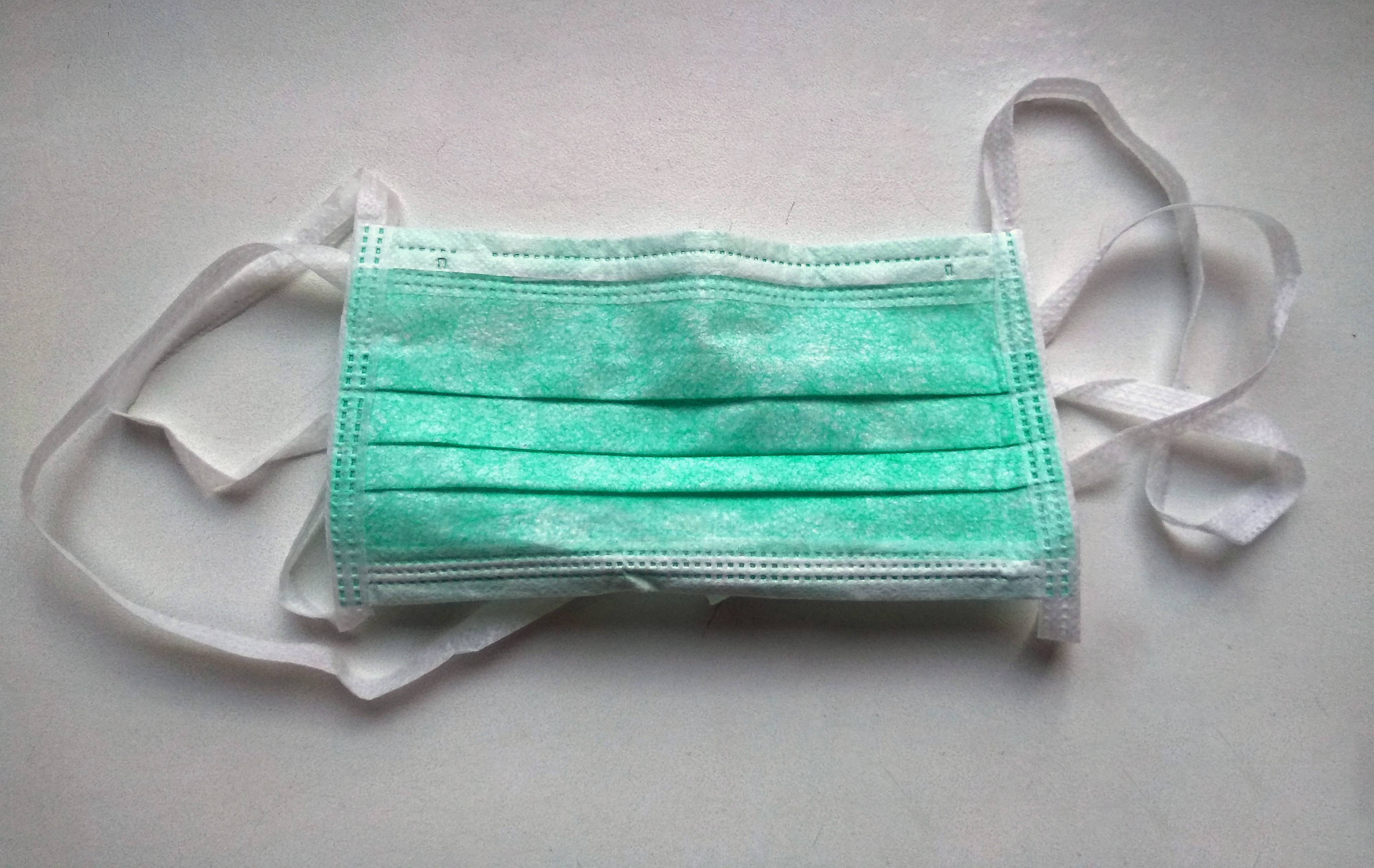
Surgical masks, also known as medical face masks or procedure masks, are personal protective equipment used by healthcare professionals. They serve as a mechanical barrier that interferes with direct airflow in and out of respiratory orifices, helping to prevent the spread of diseases. The demand for surgical masks has increased significantly during the COVID-19 pandemic. According to the World Health Organization (WHO), the use of surgical masks is recommended in healthcare settings worldwide. However, the effectiveness of surgical masks depends on various factors, including the type of material used, the fit of the mask, and the wearer's behavior.
Origins & History
Surgical masks have a long history dating back to the early 20th century, when they were first used by healthcare professionals to prevent the spread of diseases. The first surgical masks were made from cotton and were designed to filter out bacteria and other microorganisms from the air. Over the years, the design and materials used in surgical masks have evolved significantly, with modern masks made from a variety of materials, including polypropylene, polyester, and cellulose. The Centers for Disease Control and Prevention (CDC) has played a crucial role in promoting the use of surgical masks in healthcare settings.
How It Works
Surgical masks are used by healthcare professionals to reduce the transmission of diseases between the wearer and nearby people. The CDC provides guidance on the use of surgical masks in healthcare settings. The National Institutes of Health provides funding and support for research on surgical masks.
Key Facts & Numbers
Surgical masks are used by millions of healthcare professionals around the world every day. They are an essential part of personal protective equipment (PPE) in healthcare settings, helping to prevent the spread of diseases and protect both patients and healthcare workers.
Key People & Organizations
Key people and organizations involved in the development and use of surgical masks include healthcare professionals, researchers, and manufacturers. The CDC and the WHO are two of the leading organizations that provide guidance on the use of surgical masks in healthcare settings.
Cultural Impact & Influence
Surgical masks have had a significant cultural impact, particularly during the COVID-19 pandemic. They have become a symbol of protection and safety, and are now worn by people all over the world. The use of surgical masks has also raised awareness about the importance of infection control.
Current State & Latest Developments
The current state of surgical masks is one of high demand and rapid innovation. With the COVID-19 pandemic, the demand for surgical masks has increased significantly, and manufacturers are working to meet this demand. New technologies and materials are being developed to improve the effectiveness and comfort of surgical masks.
Controversies & Debates
There are several controversies and debates surrounding the use of surgical masks. One of the main controversies is the environmental impact of surgical masks, with many masks being made from non-biodegradable materials and contributing to waste and pollution. The Environmental Protection Agency has raised concerns about the environmental impact of surgical masks.
Future Outlook & Predictions
The future outlook for surgical masks is one of continued innovation and development. New technologies and materials are being developed to improve the effectiveness and comfort of surgical masks. The use of surgical masks is likely to continue to play a critical role in healthcare settings, particularly in the prevention of airborne diseases.
Practical Applications
Surgical masks have a number of practical applications, including use in healthcare settings and laboratories. They are also used by people who are immunocompromised or have respiratory conditions.
Key Facts
- Category
- science
- Type
- topic