
Contents
Overview
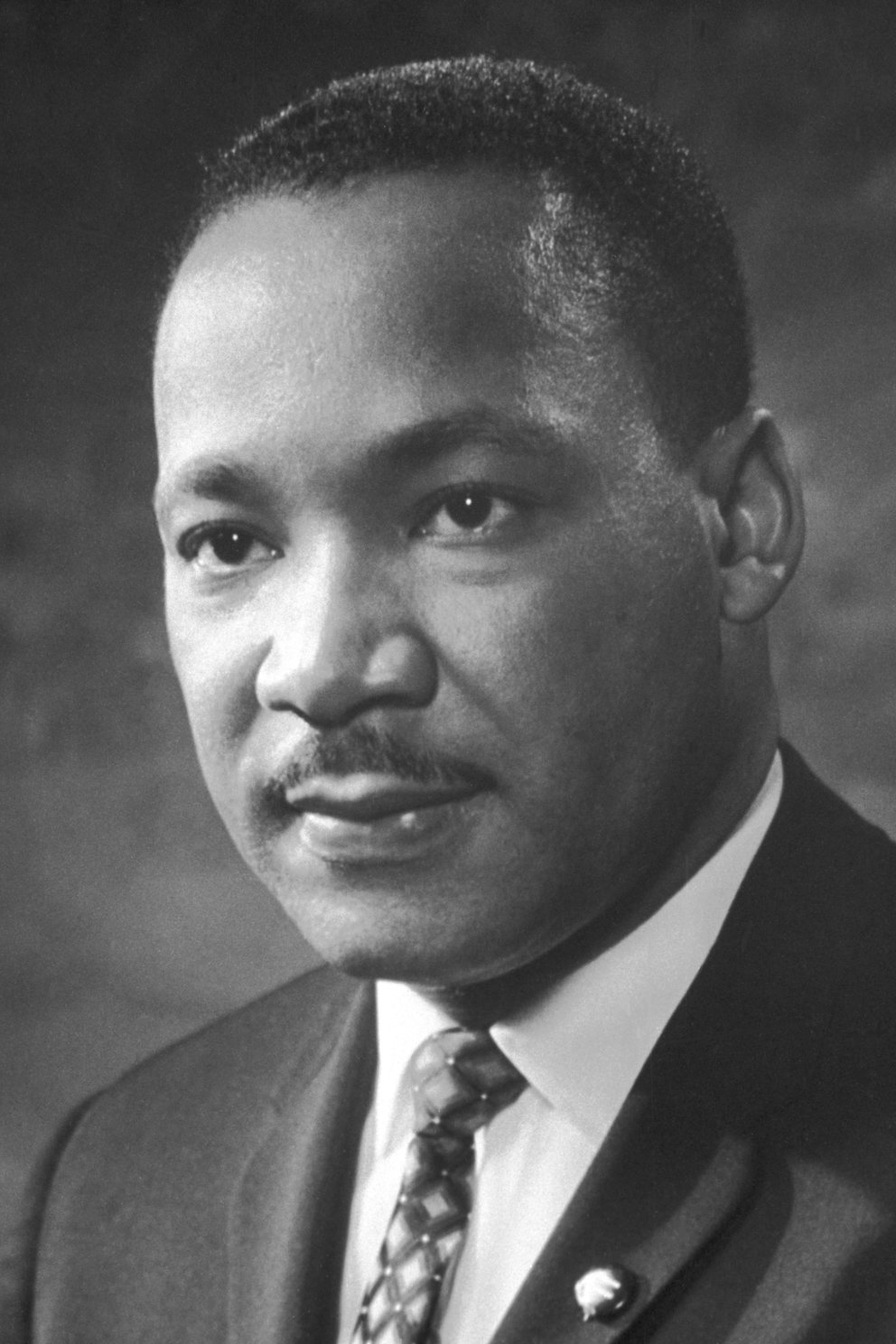
Martin Luther King Jr. was born on January 15, 1929, in Atlanta, Georgia, to Martin Luther King Sr. and Alberta Williams King. He grew up in a family of prominent Baptist ministers, with his father and grandfather serving as pastors at the Ebenezer Baptist Church. King's early education took place at Morehouse College, where he studied sociology, and later at Crozer Theological Seminary, where he earned his Bachelor of Divinity degree. He was heavily influenced by the works of Mahatma Gandhi, particularly his philosophy of nonviolent resistance, which would later shape King's approach to the civil rights movement. King's friendships with other prominent figures, such as Ralph Abernathy and Fred Shuttlesworth, also played a significant role in his development as a leader.
🗣️ Rise to Prominence in the Civil Rights Movement
King's rise to prominence in the civil rights movement began with the Montgomery Bus Boycott in 1955, which was sparked by the arrest of Rosa Parks. The successful boycott, led by King and other local leaders, including E.D. Nixon and Jo Ann Robinson, resulted in the desegregation of public buses in Montgomery, Alabama. This victory catapulted King to national attention, and he soon became a key figure in the Southern Christian Leadership Conference (SCLC), working closely with other notable civil rights leaders, such as John Lewis and Andrew Young. King's involvement in the SCLC led to the organization of several major campaigns, including the Birmingham Campaign and the March on Washington, where he delivered his iconic 'I Have a Dream' speech, which was witnessed by hundreds of thousands of people, including notable figures like Harry Belafonte and Sidney Poitier.
🌈 Key Speeches and Events
Some of King's most notable speeches and events include the 'I Have a Dream' speech, the 'Mountaintop' speech, and the Selma to Montgomery Marches. The 'I Have a Dream' speech, delivered on August 28, 1963, is widely regarded as one of the most powerful speeches in American history, with its message of hope and equality continuing to inspire people around the world. The speech was attended by prominent figures, such as Martin Luther King Sr., Coretta Scott King, and Jackie Robinson, and was broadcast live on television, with networks like CBS, NBC, and ABC covering the event. The Selma to Montgomery Marches, which took place in 1965, were a series of protests that aimed to secure voting rights for African Americans in the South, and were supported by organizations like the NAACP and the Student Nonviolent Coordinating Committee (SNCC).
🏛️ Legacy and Impact
Martin Luther King Jr.'s legacy extends far beyond his own lifetime. His commitment to nonviolent resistance and his tireless advocacy for civil rights have inspired countless individuals and movements around the world. The passage of landmark legislation, such as the Civil Rights Act of 1964 and the Voting Rights Act of 1965, was in large part due to King's efforts and the efforts of those who worked alongside him, including notable figures like Lyndon B. Johnson, Thurgood Marshall, and Fannie Lou Hamer. Today, King's legacy continues to be felt, with his message of love, compassion, and equality remaining a powerful force for change, inspiring leaders like Barack Obama, Nelson Mandela, and Malala Yousafzai.
Key Facts
- Year
- 1929-1968
- Origin
- Atlanta, Georgia, USA
- Category
- history
- Type
- person
Frequently Asked Questions
What was Martin Luther King Jr.'s role in the civil rights movement?
Martin Luther King Jr. was a prominent leader in the American civil rights movement, advocating for racial equality and social justice through nonviolent means.
What was the significance of the 'I Have a Dream' speech?
The 'I Have a Dream' speech, delivered by Martin Luther King Jr. on August 28, 1963, is widely regarded as one of the most powerful speeches in American history, with its message of hope and equality continuing to inspire people around the world.
How did Martin Luther King Jr.'s legacy impact the passage of landmark legislation?
The passage of landmark legislation, such as the Civil Rights Act of 1964 and the Voting Rights Act of 1965, was in large part due to King's efforts and the efforts of those who worked alongside him.
What is the continued relevance of Martin Luther King Jr.'s message today?
Martin Luther King Jr.'s message of love, compassion, and equality remains a powerful force for change, inspiring leaders and movements around the world to work towards a more just and equitable society.
How did Martin Luther King Jr.'s relationships with other prominent figures impact his work?
King's relationships with other prominent figures, such as Rosa Parks, Malcolm X, and Mahatma Gandhi, played a significant role in shaping his approach to the civil rights movement and his commitment to nonviolent resistance.