
Contents
Overview
Marine birds, often referred to as seabirds, are avian species intrinsically linked to the ocean for their survival, encompassing a diverse array of families adapted to life in marine environments. These birds exhibit remarkable convergent evolution, developing similar traits to exploit oceanic resources and navigate challenging conditions, from the frigid Antarctic to tropical reefs. While generally long-lived with delayed breeding and fewer offspring, they invest significant parental care, often nesting in massive colonies that can number in the millions. Many undertake epic migrations, traversing hemispheres, and their feeding strategies range from surface skimming to deep-sea diving. Their existence is a delicate dance with the ocean's rhythms, facing threats from pollution, climate change, and overfishing, making their conservation a critical global concern.
🎵 Origins & History
Prehistoric forms like the pelagornithids, with their bony tooth-like serrations, demonstrate ancient adaptations for grasping slippery prey. The historical relationship between humans and marine birds is ancient, with coastal communities relying on them for food and eggs for millennia, a practice that has shaped both human cultures and seabird populations in regions like the Arctic and coastal Peru.
⚙️ How They Live and Thrive
Marine birds are masters of their aquatic domain, exhibiting specialized adaptations for foraging, navigation, and survival. Their feathers are often densely packed and treated with oil from a preen gland to provide waterproofing and insulation against cold ocean waters. Salt glands, typically located above the eyes, efficiently excrete excess salt ingested from seawater and prey, a crucial adaptation for species like petrels and penguins. Foraging strategies are incredibly varied: pelicans use their pouches to scoop up fish, penguins are powerful underwater swimmers propelled by their wings, and albatrosses employ dynamic soaring to glide effortlessly over vast oceanic distances, conserving energy. Many species exhibit remarkable navigational abilities, using cues like the Earth's magnetic field, celestial bodies, and olfactory signals to find their way across featureless oceans and return to specific breeding sites, sometimes thousands of kilometers away.
📊 Key Facts & Numbers
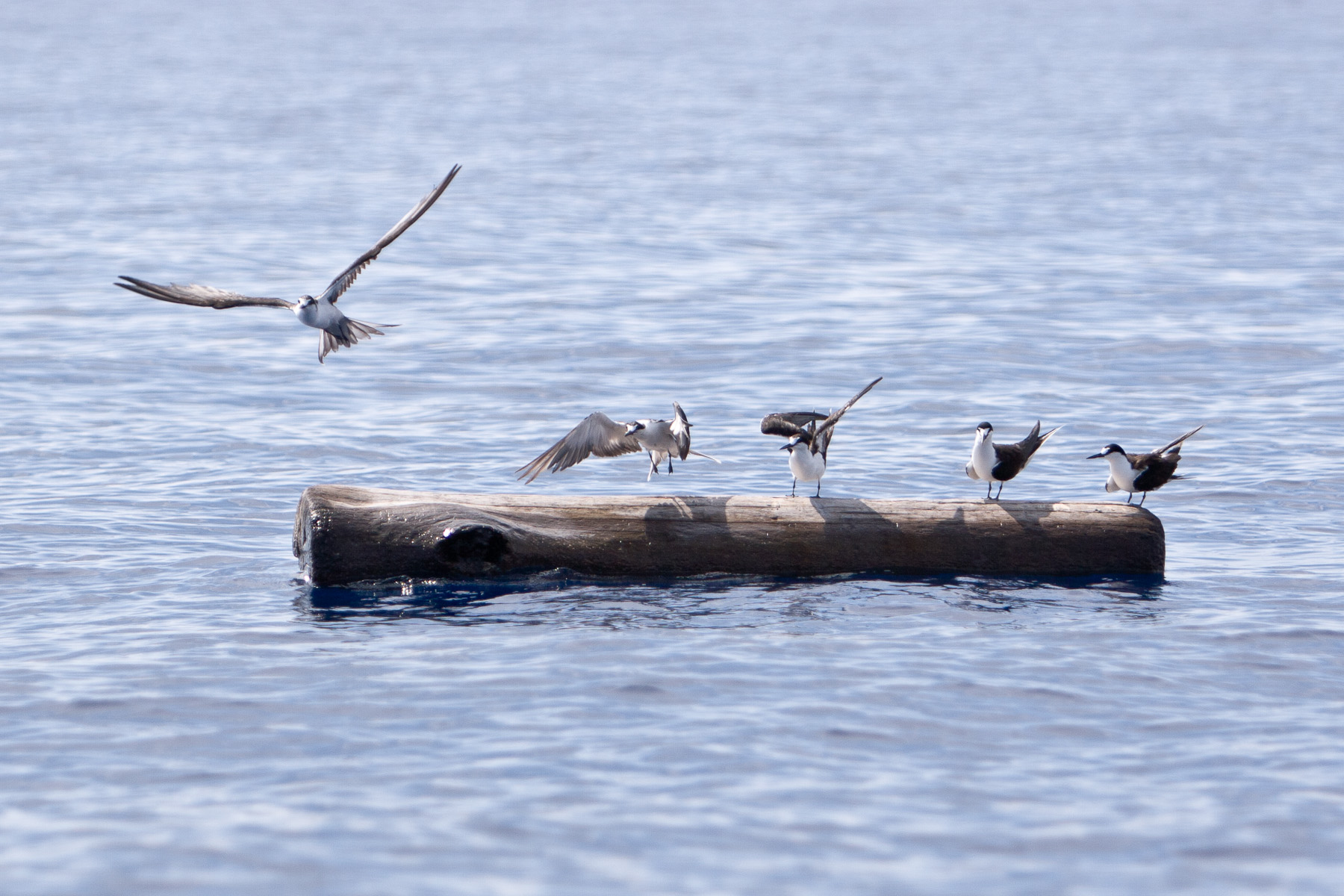
The diversity within marine birds is immense, categorized into distinct orders and families, each with unique adaptations. The Procellariiformes (tubinares) include albatrosses, petrels, and shearwaters, characterized by their tubular nostrils and exceptional long-distance flight capabilities. Sphenisciformes are the penguins, flightless birds highly adapted for aquatic locomotion, found exclusively in the Southern Hemisphere. Suliformes encompass gannets, boobies, and cormorants, many of which are plunge-divers or pursuit-divers. Charadriiformes is a large and varied order, including gulls, terns, skuas, and auks, which occupy a wide range of ecological niches from coastal scavengers to deep-diving predators. Even some ducks, like the Common Eider, are considered marine birds due to their reliance on marine environments for foraging.
👥 Key Species & Families
Marine birds are found in virtually every marine ecosystem on Earth, from the polar ice caps to the tropics. Species like the Emperor Penguin breed on Antarctic sea ice, enduring extreme cold. Migratory species, such as the Bar-tailed Godwit, undertake non-stop flights of thousands of kilometers between Alaska and New Zealand. The distribution of many species is dictated by ocean currents, prey availability, and suitable breeding habitats, often on remote islands that offer refuge from terrestrial predators. The North Atlantic is a critical corridor for species like the Puffin, while the Pacific Ocean supports vast populations of albatrosses and shearwaters.
🌍 Global Distribution & Migrations
The conservation of marine birds is fraught with challenges and debates. A major controversy surrounds the effectiveness and implementation of fisheries management practices aimed at reducing seabird bycatch. While measures like bird-scaring lines and weighted fishing lines have shown promise, their widespread adoption and enforcement remain inconsistent across different fishing fleets and nations. The impact of offshore wind farms on seabird populations is another area of active debate, with concerns about collision risk and habitat displacement, particularly for species like Common Scoters and Northern Gannets. Furthermore, the management of invasive species, such as rats and cats, on historically predator-free island breeding colonies is a complex and often contentious issue, requiring significant resources and careful planning.
⚡ Current State & Latest Developments
The future outlook for marine birds is precarious, heavily dependent on global conservation efforts and policy changes. Projections suggest that without significant intervention, many seabird populations could continue to decline, with some species facing imminent extinction by the end of the century. However, there is growing momentum for marine protected areas (MPAs) that can safeguard critical foraging and breeding grounds. Advances in tracking technology, such as GPS trackers and geolocators, are providing unprecedented insights into seabird movements and habitat use, informing more effective conservation strategies. International cooperation through bodies like the Agreement on the Conservation of Albatrosses and Petrels (ACAP) is crucial for addressing the migratory nature of these species. The success of reintroduction programs for species like the Black-footed Albatross on restored island habitats offers a glimmer of hope.
🤔 Controversies & Debates
Marine birds play vital roles in marine ecosystems and hold significant cultural and economic value. As predators, they help regulate populations of fish, squid, and crustaceans, influencing the structure of marine food webs. Their guano, deposited in massive quantities on breeding islands, acts as a potent natural fertilizer, historically exploited for guano extraction in regions like the Chincha Islands of Peru. They
Key Facts
- Category
- nature
- Type
- topic