
Contents
- 🎯 Origins & History
- ⚙️ How It Worked
- 📊 Key Facts & Numbers
- 👥 Key People & Organizations
- 🌍 Cultural Impact & Influence
- ⚡ Current State & Latest Developments
- 🤔 Controversies & Debates
- 🔮 Future Outlook & Predictions
- 💡 Practical Applications
- 📚 Related Topics & Deeper Reading
- Frequently Asked Questions
- References
- Related Topics
Overview
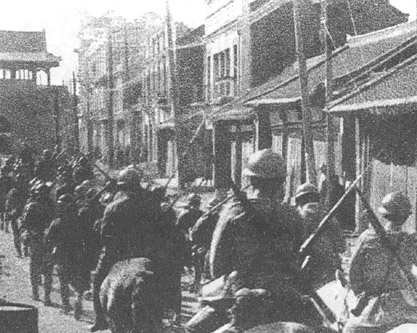
The Manchuria Crisis has its roots in the early 20th century, when Japan began to expand its influence in East Asia. The country had already established a significant presence in Manchuria, a region in northeastern China, through its control of the South Manchuria Railway. As noted by historians such as Akira Irie, the railway was a critical component of Japan's economic and strategic interests in the region. The Mukden incident, which occurred on September 18, 1931, was a false flag event staged by Japanese military personnel to provide a pretext for the invasion of Manchuria. The incident was orchestrated by Lieutenant Suemori Kawamoto of the Independent Garrison Unit of the 29th Japanese Infantry Regiment, who detonated a small quantity of dynamite near a railway line owned by Japan's South Manchuria Railway. The explosion was so weak that it failed to destroy the track, and a train passed over it minutes later. Despite the lack of damage, the Imperial Japanese Army accused Chinese dissidents of the act and responded with a full invasion, leading to the occupation of Manchuria and the establishment of the puppet state of Manchukuo. The crisis involved key players such as Hirohito, the Emperor of Japan, and Chiang Kai-shek, the leader of the Nationalist Government of China.
⚙️ How It Worked
The Manchuria Crisis worked through a combination of military force and diplomatic maneuvering. The Imperial Japanese Army used the Mukden incident as a pretext to launch a full-scale invasion of Manchuria, which was quickly overrun. The Japanese government then established the puppet state of Manchukuo, with Puyi, the last emperor of China, as its figurehead. The crisis was widely condemned by the international community, including the League of Nations, which issued a resolution calling for Japan to withdraw its troops from Manchuria. However, Japan refused to comply, and the crisis marked the beginning of its aggressive expansion in East Asia. As noted by historians such as Ian Kershaw, the crisis was a critical turning point in the lead-up to World War II, with significant implications for the global balance of power.
📊 Key Facts & Numbers
The Manchuria Crisis involved several key facts and numbers. The crisis began on September 18, 1931, when the Mukden incident occurred. The Imperial Japanese Army responded with a full invasion, which led to the occupation of Manchuria and the establishment of the puppet state of Manchukuo. The crisis involved key players such as Hirohito, the Emperor of Japan, and Chiang Kai-shek, the leader of the Nationalist Government of China. The crisis had significant implications for the region, including the displacement of millions of people and the loss of sovereignty for China. According to estimates, the crisis resulted in the deaths of over 1.5 million people and the displacement of millions more. The crisis also had significant economic implications, with the value of the Chinese yuan plummeting by over 50% in the aftermath of the invasion.
👥 Key People & Organizations
The Manchuria Crisis involved several key people and organizations. Hirohito, the Emperor of Japan, played a significant role in the crisis, as did Chiang Kai-shek, the leader of the Nationalist Government of China. The Imperial Japanese Army was also a key player, as was the South Manchuria Railway, which was owned by Japan. The crisis also involved other organizations, such as the League of Nations, which issued a resolution calling for Japan to withdraw its troops from Manchuria. As noted by historians such as Jonathan Spence, the crisis was a critical turning point in modern Chinese history, with far-reaching consequences for the country's development and its relationships with other nations.
🌍 Cultural Impact & Influence
The Manchuria Crisis had significant cultural impact and influence. The crisis marked the beginning of Japan's aggressive expansion in East Asia, which would eventually lead to the Second Sino-Japanese War and World War II. The crisis also had significant implications for China, which lost sovereignty over Manchuria and suffered significant economic and human losses. The crisis also had an impact on the international community, which was unable to prevent Japan's aggression. As noted by historians such as Akira Irie, the crisis was a critical turning point in the lead-up to World War II, with significant implications for the global balance of power. The crisis involved key players such as George Marshall, the US Secretary of State, and Winston Churchill, the Prime Minister of the United Kingdom.
⚡ Current State & Latest Developments
The current state of the Manchuria Crisis is one of ongoing historical significance. The crisis marked the beginning of Japan's aggressive expansion in East Asia, which would eventually lead to the Second Sino-Japanese War and World War II. The crisis also had significant implications for China, which lost sovereignty over Manchuria and suffered significant economic and human losses. Today, the crisis is remembered as a critical turning point in modern Chinese history, with far-reaching consequences for the country's development and its relationships with other nations. As noted by historians such as Ian Kershaw, the crisis was a critical turning point in the lead-up to World War II, with significant implications for the global balance of power. The crisis involved key players such as Hirohito, the Emperor of Japan, and Chiang Kai-shek, the leader of the Nationalist Government of China.
🤔 Controversies & Debates
The Manchuria Crisis is the subject of ongoing controversy and debate. Some historians argue that the crisis was a necessary response to Chinese aggression, while others argue that it was a pretext for Japanese expansionism. The crisis is also the subject of ongoing historical research, with new evidence and perspectives being brought to light. As noted by historians such as Jonathan Spence, the crisis was a critical turning point in modern Chinese history, with far-reaching consequences for the country's development and its relationships with other nations. The crisis involved key players such as George Marshall, the US Secretary of State, and Winston Churchill, the Prime Minister of the United Kingdom.
🔮 Future Outlook & Predictions
The future outlook for the Manchuria Crisis is one of ongoing historical significance. The crisis marked the beginning of Japan's aggressive expansion in East Asia, which would eventually lead to the Second Sino-Japanese War and World War II. The crisis also had significant implications for China, which lost sovereignty over Manchuria and suffered significant economic and human losses. Today, the crisis is remembered as a critical turning point in modern Chinese history, with far-reaching consequences for the country's development and its relationships with other nations. As noted by historians such as Akira Irie, the crisis was a critical turning point in the lead-up to World War II, with significant implications for the global balance of power. The crisis involved key players such as Hirohito, the Emperor of Japan, and Chiang Kai-shek, the leader of the Nationalist Government of China.
💡 Practical Applications
The Manchuria Crisis has several practical applications. The crisis marked the beginning of Japan's aggressive expansion in East Asia, which would eventually lead to the Second Sino-Japanese War and World War II. The crisis also had significant implications for China, which lost sovereignty over Manchuria and suffered significant economic and human losses. Today, the crisis is remembered as a critical turning point in modern Chinese history, with far-reaching consequences for the country's development and its relationships with other nations. As noted by historians such as Ian Kershaw, the crisis was a critical turning point in the lead-up to World War II, with significant implications for the global balance of power. The crisis involved key players such as George Marshall, the US Secretary of State, and Winston Churchill, the Prime Minister of the United Kingdom.
Key Facts
- Year
- 1931
- Origin
- Manchuria, China
- Category
- history
- Type
- event
Frequently Asked Questions
What was the Manchuria Crisis?
The Manchuria Crisis was a pivotal event in East Asian history that led to the Japanese invasion of Manchuria in 1931. The crisis began with the Mukden incident, a false flag event staged by Japanese military personnel, and ended with the establishment of the puppet state of Manchukuo. The crisis involved key players such as Hirohito, the Emperor of Japan, and Chiang Kai-shek, the leader of the Nationalist Government of China.
What were the consequences of the Manchuria Crisis?
The Manchuria Crisis had significant consequences for China, which lost sovereignty over Manchuria and suffered significant economic and human losses. The crisis also had implications for the international community, which was unable to prevent Japan's aggression. Today, the crisis is remembered as a critical turning point in modern Chinese history, with far-reaching consequences for the country's development and its relationships with other nations. As noted by historians such as Jonathan Spence, the crisis was a critical turning point in modern Chinese history, with far-reaching consequences for the country's development and its relationships with other nations.
Who were the key players in the Manchuria Crisis?
The key players in the Manchuria Crisis included Hirohito, the Emperor of Japan, and Chiang Kai-shek, the leader of the Nationalist Government of China. The crisis also involved other organizations, such as the League of Nations, which issued a resolution calling for Japan to withdraw its troops from Manchuria. As noted by historians such as Akira Irie, the crisis was a critical turning point in the lead-up to World War II, with significant implications for the global balance of power.
What is the current state of the Manchuria Crisis?
The current state of the Manchuria Crisis is one of ongoing historical significance. The crisis marked the beginning of Japan's aggressive expansion in East Asia, which would eventually lead to the Second Sino-Japanese War and World War II. The crisis also had significant implications for China, which lost sovereignty over Manchuria and suffered significant economic and human losses. Today, the crisis is remembered as a critical turning point in modern Chinese history, with far-reaching consequences for the country's development and its relationships with other nations. As noted by historians such as Ian Kershaw, the crisis was a critical turning point in the lead-up to World War II, with significant implications for the global balance of power.
What are the practical applications of the Manchuria Crisis?
The Manchuria Crisis has several practical applications. The crisis marked the beginning of Japan's aggressive expansion in East Asia, which would eventually lead to the Second Sino-Japanese War and World War II. The crisis also had significant implications for China, which lost sovereignty over Manchuria and suffered significant economic and human losses. Today, the crisis is remembered as a critical turning point in modern Chinese history, with far-reaching consequences for the country's development and its relationships with other nations. As noted by historians such as Jonathan Spence, the crisis was a critical turning point in modern Chinese history, with far-reaching consequences for the country's development and its relationships with other nations.
What is the future outlook for the Manchuria Crisis?
The future outlook for the Manchuria Crisis is one of ongoing historical significance. The crisis marked the beginning of Japan's aggressive expansion in East Asia, which would eventually lead to the Second Sino-Japanese War and World War II. The crisis also had significant implications for China, which lost sovereignty over Manchuria and suffered significant economic and human losses. Today, the crisis is remembered as a critical turning point in modern Chinese history, with far-reaching consequences for the country's development and its relationships with other nations. As noted by historians such as Akira Irie, the crisis was a critical turning point in the lead-up to World War II, with significant implications for the global balance of power.
How does the Manchuria Crisis relate to other historical events?
The Manchuria Crisis is related to several other historical events, including the Second Sino-Japanese War and World War II. The crisis marked the beginning of Japan's aggressive expansion in East Asia, which would eventually lead to these conflicts. The crisis also had significant implications for China, which lost sovereignty over Manchuria and suffered significant economic and human losses. Today, the crisis is remembered as a critical turning point in modern Chinese history, with far-reaching consequences for the country's development and its relationships with other nations. As noted by historians such as Ian Kershaw, the crisis was a critical turning point in the lead-up to World War II, with significant implications for the global balance of power.