
Contents
Overview
The Manchus have a rich and storied history, with their ancestors, the Jurchen people, establishing the Jin dynasty (1115–1234) in northern China. This early period of Manchu history was marked by significant cultural and linguistic exchange with other Chinese ethnic groups, including the Han Chinese and the Mongols. The Manchus later established the Qing dynasty (1636–1912), which would go on to become one of the most influential and long-lasting dynasties in Chinese history. As noted by historians such as Jonathan Spence, the Qing dynasty was marked by a unique blend of Manchu and Chinese cultural practices, including the adoption of Confucianism and the development of a distinct Manchu Buddhist tradition.
👥 Manchu Society & Culture
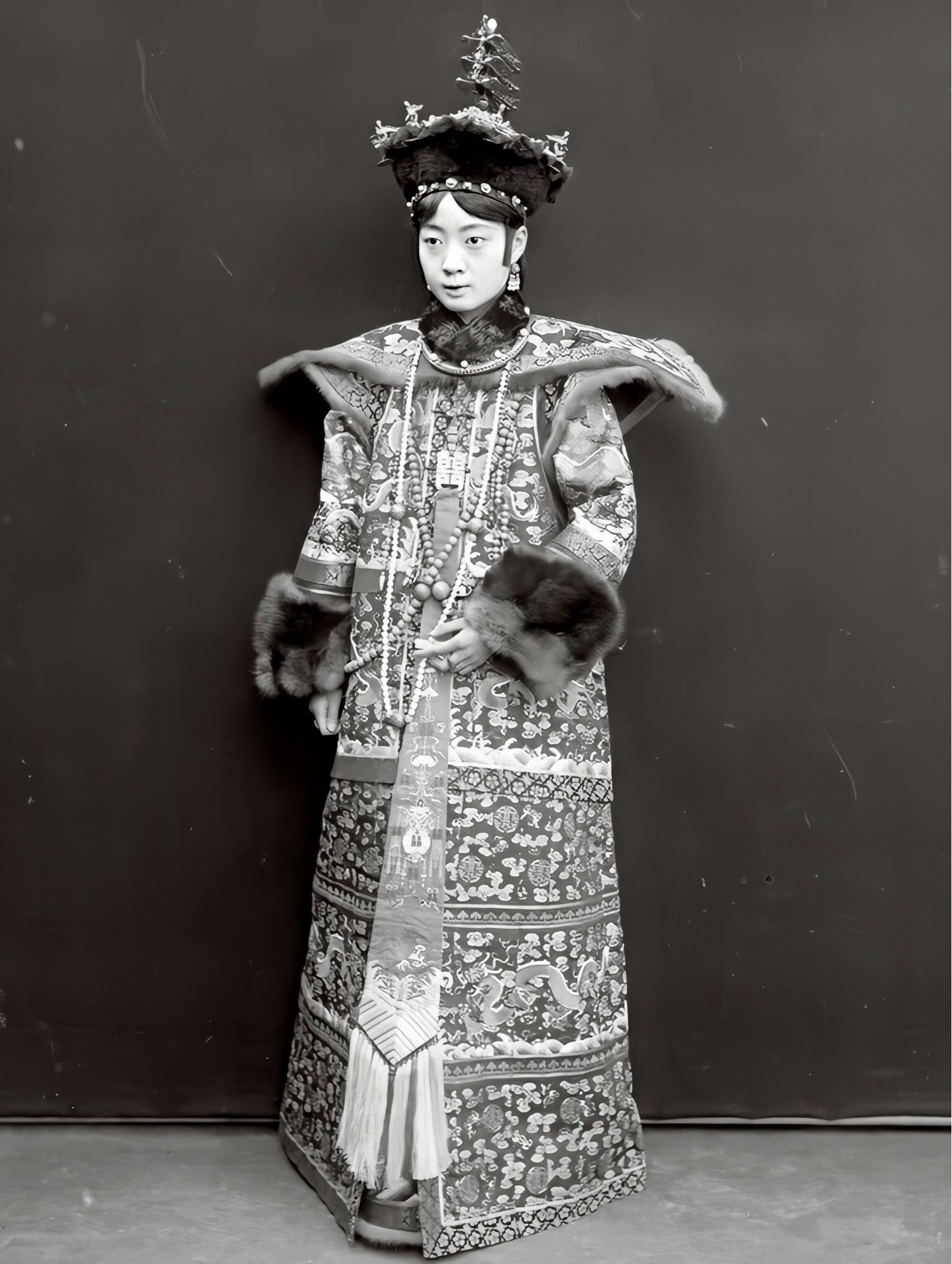
Manchu society is known for its strong emphasis on family and community, with a complex system of clans and lineages that play an important role in Manchu social organization. The Manchus have a distinct language, which is part of the Tungusic language family and is still spoken by many Manchu people today. In addition to their language, the Manchus have a rich cultural heritage, including traditional music, dance, and art forms such as Manchu calligraphy. As described by anthropologists such as Steven Harrell, Manchu culture is also marked by a strong sense of identity and community, with many Manchu people actively working to preserve their cultural heritage in the face of modernization and assimilation.
🏯 Legacy of the Qing Dynasty
The Qing dynasty, established by the Manchus, had a profound impact on Chinese history, with significant contributions to the development of Chinese art, literature, and architecture. The Qing dynasty was also marked by a period of significant expansion and conquest, with the Manchus establishing a vast empire that stretched from China to Mongolia and Tibet. As noted by historians such as Pamela Kyle Crossley, the Qing dynasty was also marked by a unique blend of Manchu and Chinese cultural practices, including the adoption of Tibetan Buddhism and the development of a distinct Manchu Daoist tradition. Today, the legacy of the Qing dynasty can still be seen in the many cultural and historical landmarks that remain in China, including the Forbidden City and the Temple of Heaven.
🌈 Modern Manchu Identity
In modern times, the Manchu people continue to play an important role in Chinese society, with many Manchu people actively working to preserve their cultural heritage and promote greater understanding and recognition of Manchu identity. The Manchus are an officially recognized ethnic minority in China, with a population of over 10 million people distributed throughout 31 Chinese provincial regions. As described by scholars such as Uradyn Bulag, the Manchus are also actively engaged in a range of cultural and artistic activities, including the development of Manchu literature and the preservation of traditional Manchu music and dance forms. Despite the many challenges they face, the Manchus remain a vibrant and resilient people, with a rich cultural heritage and a strong sense of identity and community.
Key Facts
- Year
- 1616
- Origin
- Manchuria, Northeast Asia
- Category
- culture
- Type
- ethnic group
Frequently Asked Questions
What is the Manchu language and how is it related to other Tungusic languages?
The Manchu language is a member of the Tungusic language family and is still spoken by many Manchu people today. It is closely related to other Tungusic languages such as Evenki and Nanai. As described by linguists such as Alexander Vovin, the Manchu language has a unique grammar and syntax that sets it apart from other Chinese languages.
What is the significance of the Qing dynasty in Chinese history?
The Qing dynasty was a significant period in Chinese history, marked by a unique blend of Manchu and Chinese cultural practices. The Qing dynasty was also marked by a period of significant expansion and conquest, with the Manchus establishing a vast empire that stretched from China to Mongolia and Tibet. As noted by historians such as Pamela Kyle Crossley, the Qing dynasty had a profound impact on Chinese art, literature, and architecture.
How do the Manchus preserve their cultural heritage in modern times?
The Manchus are actively working to preserve their cultural heritage, including their language, customs, and traditions. Many Manchu people are involved in cultural and artistic activities, such as the development of Manchu literature and the preservation of traditional Manchu music and dance forms. As described by scholars such as Uradyn Bulag, the Manchus are also actively engaged in a range of cultural and artistic activities, including the development of Manchu calligraphy and the preservation of traditional Manchu art forms.
What is the relationship between the Manchus and other Chinese ethnic groups?
The Manchus have a complex and multifaceted relationship with other Chinese ethnic groups, including the Han Chinese and the Mongols. The Manchus have a distinct language and culture that sets them apart from other Chinese ethnic groups, but they have also been influenced by and have influenced other Chinese ethnic groups throughout history. As noted by historians such as Jonathan Spence, the Manchus have a unique cultural and historical identity that is distinct from but also interconnected with other Chinese ethnic groups.
How has the Manchu culture been impacted by modernization and assimilation?
The Manchu culture has been impacted by modernization and assimilation, with many Manchu people adopting Chinese language and customs. However, many Manchu people are also actively working to preserve their cultural heritage and promote greater understanding and recognition of Manchu identity. As described by scholars such as Uradyn Bulag, the Manchus are facing significant challenges in preserving their cultural heritage, but they remain a vibrant and resilient people with a strong sense of identity and community.