
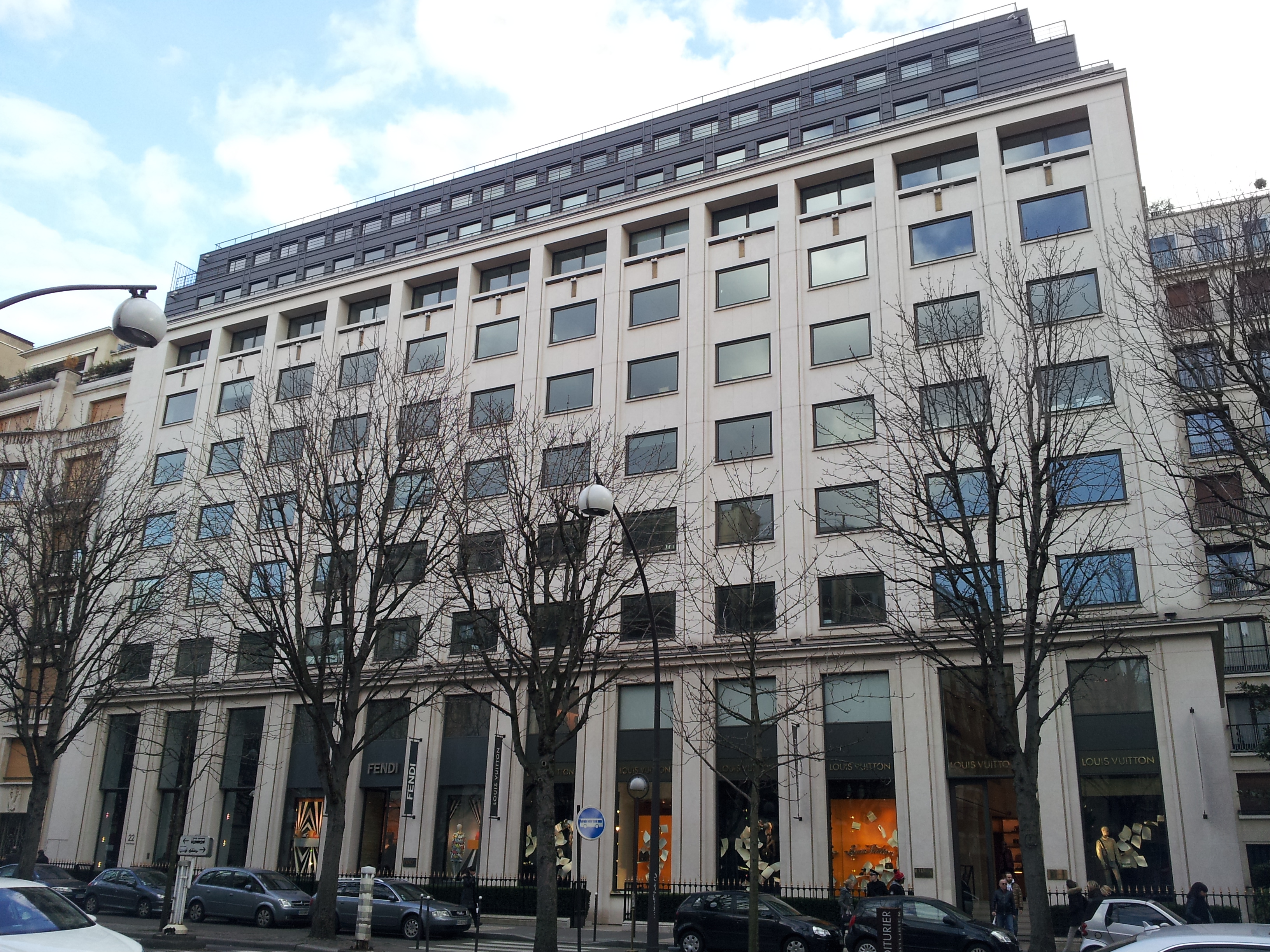
Contents
Overview
The genesis of LVMH is a tale of strategic consolidation, tracing its lineage back to the 18th century. The champagne house Moët & Chandon was founded in 1743 by Claude Moët, later joined by Simon Hennessy in 1765 to form Hennessy, a titan of cognac. These two venerable spirits producers merged to create Moët Hennessy. Simultaneously, Louis Vuitton, a purveyor of luxury luggage and leather goods, was established by its namesake. The pivotal moment arrived when, orchestrated by Alain Chevalier and Henry Racamier, Moët Hennessy and Louis Vuitton merged to form LVMH Moët Hennessy Louis Vuitton. This union was not merely a corporate maneuver; it was the birth of a new paradigm in luxury, consolidating disparate heritage brands under a single, formidable banner, setting the stage for unprecedented global dominance.
⚙️ How It Works
LVMH operates as a highly decentralized conglomerate, a deliberate strategy that allows its myriad brands to retain their distinct heritage and creative autonomy. Each maison, from the haute couture ateliers of Christian Dior to the watchmaking workshops of TAG Heuer, functions with significant independence. This model empowers brand leaders to focus on product innovation, craftsmanship, and maintaining the exclusivity that defines luxury. The group provides overarching strategic direction, financial backing, and shared expertise in areas like supply chain management, marketing, and retail expansion, ensuring that each brand can leverage the collective strength of LVMH without sacrificing its unique identity. This structure is crucial for managing a portfolio that spans diverse product categories and consumer demographics, from the discerning collector of Patek Philippe timepieces to the fashion-forward enthusiast of Celine.
📊 Key Facts & Numbers
The sheer scale of LVMH is staggering, reflecting its unparalleled position in the luxury market. As of 2023, the company commands a workforce exceeding 215,000 employees globally, a testament to its vast operational footprint. In the first quarter of 2024, LVMH reported revenues of €20.7 billion, building on a record-breaking 2023 where total revenue reached €86.2 billion. This financial might translates into significant market capitalization; in April 2023, LVMH became the first European company to surpass a $500 billion valuation, a figure that fluctuates but consistently places it among the world's most valuable corporations. The company's ownership extends to approximately 75 distinct brands, each contributing to its diversified revenue streams, with Fashion & Leather Goods alone accounting for nearly half of its sales.
👥 Key People & Organizations
At the helm of this luxury empire is Bernard Arnault, the visionary chairman and CEO, who has masterfully steered LVMH's growth through strategic acquisitions and astute brand management since the early 1990s. His leadership has been instrumental in transforming LVMH from a significant player into the undisputed global leader in luxury. Key figures in its formation include Alain Chevalier, who played a crucial role in the 1987 merger, and Henry Racamier, the former chairman of Louis Vuitton who championed the union. Beyond Arnault, LVMH's structure involves numerous brand CEOs and creative directors, such as Phoebe Philo (formerly of Celine) and Daniel Roseberry (creative director of Schiaparelli), who are pivotal in shaping the identity and desirability of individual maisons. The conglomerate itself is a publicly traded entity, listed on the Euronext Paris and a component of the CAC 40 index.
🌍 Cultural Impact & Influence
LVMH's influence extends far beyond its financial statements, deeply permeating global culture and shaping perceptions of aspiration and status. The group's brands are not merely products; they are symbols of heritage, craftsmanship, and a particular lifestyle, meticulously cultivated through sophisticated marketing and brand storytelling. From the iconic monogram of Louis Vuitton adorning handbags worldwide to the effervescent celebration associated with Dom Pérignon champagne, LVMH brands are woven into the fabric of popular culture, appearing in films, music, and celebrity endorsements. The group's commitment to preserving artisanal techniques, as seen in the meticulous work at Hermès (though not an LVMH brand, it represents the benchmark) and its own ateliers, reinforces a cultural appreciation for quality and heritage in an increasingly mass-produced world. This cultural cachet is a primary driver of its enduring appeal and market dominance.
⚡ Current State & Latest Developments
In the current landscape of 2024, LVMH continues its trajectory of robust performance, demonstrating remarkable resilience in the face of global economic uncertainties. The company has reported strong first-quarter sales, particularly driven by its Fashion & Leather Goods division, which saw a 9% organic revenue increase. This growth is fueled by continued demand for iconic products from brands like Louis Vuitton and Christian Dior, especially in key markets such as Asia. LVMH has also been actively investing in its retail presence, with significant renovations and expansions, including the reopening of the historic La Samaritaine department store in Paris. The recent acquisition of Rimowa continues to yield strong results, showcasing the group's ability to integrate and elevate new luxury brands. Furthermore, LVMH is increasingly focusing on sustainability initiatives, aiming to reduce its environmental impact across its extensive supply chain.
🤔 Controversies & Debates
Despite its stellar reputation, LVMH is not without its critics and controversies. The sheer scale of its operations and its aggressive acquisition strategy have led to debates about market monopolization and the potential stifling of smaller, independent luxury brands. Concerns are frequently raised regarding labor practices within its supply chains, particularly in regions where manufacturing costs are lower, and the environmental impact of producing and transporting goods globally. The group has also faced scrutiny over its marketing practices, with accusations of promoting unrealistic beauty standards or encouraging excessive consumerism. Furthermore, the immense wealth and influence wielded by Bernard Arnault and LVMH itself have sparked discussions about the concentration of economic power and its implications for cultural diversity and artistic independence within the luxury sector.
🔮 Future Outlook & Predictions
The future for LVMH appears poised for continued expansion, albeit with evolving strategies to navigate a dynamic global market. Analysts predict sustained growth, driven by emerging markets, particularly in Asia, and a growing appetite for experiential luxury. LVMH is expected to further leverage digital channels and e-commerce, enhancing its online presence while maintaining the exclusivity of its physical retail spaces. The group is also likely to continue its focus on sustainability, integrating circular economy principles and investing in eco-friendly materials and production methods, a trend increasingly demanded by younger consumers. Strategic acquisitions of niche or digitally native luxury brands remain a possibility, allowing LVMH to stay ahead of evolving consumer tastes and technological advancements. The ongoing challenge will be to balance growth with the preservation of brand heritage and exclusivity, a tightrope walk that has defined its success thus far.
💡 Practical Applications
LVMH's primary 'application' is the creation and sale of luxury goods, but its influence extends into several practical domains. The group's brands are aspirational benchmarks, shaping trends in fashion, jewelry, and lifestyle globally. Its retail arm, particularly Sephora, has revolutionized the beauty retail experience, offering a vast selection and personalized customer service that has been emulated
Key Facts
- Category
- culture
- Type
- topic