
Contents
- 💎 What is Luxury E-Commerce?
- 🎯 Who is This For?
- 📍 Key Players & Platforms
- 💰 The Price of Digital Opulence
- ⭐ Vibe Score & Consumer Sentiment
- 📈 Market Trends & Future Trajectories
- 🤔 The Skeptic's View: Authenticity & Access
- 💡 Navigating the Digital Showroom
- 🚀 Getting Started with Luxury E-Commerce
- 🤝 Similar & Adjacent Markets
- Frequently Asked Questions
- Related Topics
Overview
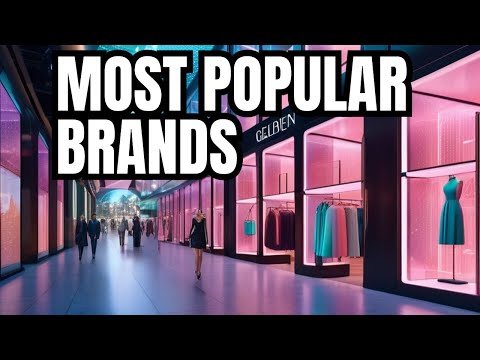
Luxury e-commerce is the digital frontier where high-end brands meet discerning global consumers. It's more than just selling expensive goods online; it's about replicating the exclusive, personalized, and sensory experience of a physical boutique in a virtual space. This involves curated collections, bespoke digital interfaces, and often, white-glove customer service that extends beyond the click of a 'buy' button. Think of it as the digital equivalent of a private viewing, accessible from anywhere with an internet connection, offering everything from Haute Couture to Fine Jewelry and Limited Edition Watches. The goal is to foster desire and maintain brand prestige, even without a physical touchpoint.
🎯 Who is This For?
This digital marketplace is primarily for the affluent consumer who values convenience, exclusivity, and a seamless shopping journey. It caters to individuals who appreciate craftsmanship, heritage, and the intangible value associated with luxury brands. It's also a critical channel for brands looking to expand their global reach beyond brick-and-mortar limitations, targeting new demographics and geographies. For collectors of Rare Art or enthusiasts of Bespoke Automobiles, it offers a curated selection that might otherwise be inaccessible. The demographic often skews towards higher net worth individuals, but increasingly includes aspirational consumers seeking investment pieces or status symbols.
📍 Key Players & Platforms
The landscape is dominated by a few key players and platform types. Major luxury conglomerates like LVMH (Louis Vuitton Moët Hennessy) and Kering have invested heavily in their own direct-to-consumer e-commerce platforms, such as Louis Vuitton and Gucci. Alongside these are multi-brand luxury retailers like Net-a-Porter, Farfetch, and Mytheresa, which aggregate a vast array of designer labels. Specialized platforms also exist for specific categories, like 1stDibs for antiques and art, or Chrono24 for watches. Each offers a distinct approach to curation and customer experience, shaping the overall Luxury E-commerce Ecosystem.
💰 The Price of Digital Opulence
Pricing in luxury e-commerce is, by definition, premium. It reflects the cost of high-quality materials, artisanal craftsmanship, brand equity, and the exclusive experience offered. While the price tags are substantial, the value proposition extends beyond the product itself. Consumers are paying for heritage, design innovation, and often, a sense of belonging to an elite club. Discounts are rare and typically reserved for specific sale periods or loyalty programs, maintaining the perceived value. The cost of entry for brands into this space is also significant, requiring substantial investment in technology, marketing, and logistics to meet consumer expectations for Premium Delivery and returns.
⭐ Vibe Score & Consumer Sentiment
The Vibe Score for luxury e-commerce generally hovers in the high 70s to low 80s, indicating strong cultural energy and positive consumer sentiment, though with pockets of skepticism. Consumers appreciate the accessibility and convenience, especially for established brands. However, concerns about authenticity, the potential for counterfeits on less regulated platforms, and the lack of tactile experience remain persistent. The aspirational aspect drives significant engagement, with many browsing for inspiration even if immediate purchase isn't planned. The overall sentiment is one of admiration and desire, tempered by a need for assurance and trust in the digital transaction.
📈 Market Trends & Future Trajectories
The market is experiencing robust growth, projected to reach hundreds of billions of dollars globally in the coming years. Key trends include the increasing adoption of Augmented Reality for virtual try-ons, the rise of livestream shopping events hosted by influencers, and a greater emphasis on sustainability and ethical sourcing. Personalization, powered by AI and data analytics, is becoming paramount, with platforms tailoring recommendations and offers to individual preferences. The future will likely see further integration of physical and digital retail, with ''phygital'' experiences becoming the norm, blurring the lines between online browsing and in-store service, and potentially leading to new forms of Digital Ownership like NFTs for luxury goods.
🤔 The Skeptic's View: Authenticity & Access
A significant debate revolves around authenticity and the democratization of luxury. While e-commerce platforms offer unprecedented access, they also present challenges in verifying the provenance of pre-owned or rare items. The proliferation of counterfeits remains a persistent issue, particularly on peer-to-peer marketplaces. Furthermore, some argue that the inherent exclusivity and ritual of luxury shopping are diluted when reduced to a digital transaction. The question of whether true luxury can be experienced solely through a screen, without the sensory engagement of touch, smell, and personal interaction, remains a point of contention among purists and industry insiders. This tension fuels the ongoing innovation in Customer Experience Design.
🚀 Getting Started with Luxury E-Commerce
To begin your journey into luxury e-commerce, the first step is to identify your interests. Are you looking for Designer Fashion, Vintage Watches, or Contemporary Art? Once you have a category in mind, research the leading online retailers and brand-specific e-commerce sites. Create accounts on platforms that appeal to you, and explore their curated selections. Many offer wishlists or saved item features, allowing you to track pieces you admire. Don't hesitate to utilize customer service channels for any questions regarding product details, sizing, or shipping. For a more curated experience, consider subscribing to luxury lifestyle publications that often feature online shopping guides and editor's picks, such as Vogue or Robb Report.
🤝 Similar & Adjacent Markets
Luxury e-commerce exists within a broader digital retail ecosystem, with several adjacent markets offering complementary experiences. Online Art Marketplaces like Artsy and Saatchi Art provide access to a global network of galleries and artists, mirroring the curated approach of fashion platforms. The Pre-Owned Luxury Goods Market, dominated by sites like The RealReal and Vestiaire Collective, taps into the circular economy, offering authenticated designer items at a lower price point. Furthermore, the Subscription Box Services for beauty and lifestyle products, while often at a lower price tier, share the principle of curated discovery and convenience. Each of these markets contributes to the evolving landscape of high-value online commerce, influencing consumer expectations and brand strategies across the board.
Key Facts
- Year
- 2023
- Origin
- Global
- Category
- E-Commerce
- Type
- Industry
Frequently Asked Questions
How do I ensure the authenticity of luxury items purchased online?
The most reliable method is to purchase directly from the brand's official e-commerce website or from highly reputable multi-brand luxury retailers like Net-a-Porter or Farfetch, which have stringent authentication processes. For pre-owned items, look for platforms that offer robust authentication guarantees, detailed condition reports, and clear return policies. Always check seller reviews and ratings if purchasing from a marketplace. Be wary of prices that seem too good to be true, as this is often an indicator of counterfeit goods. Many luxury brands also offer serial numbers or authenticity cards that can be verified.
What is the difference between a brand's own e-commerce site and a multi-brand luxury retailer?
A brand's own e-commerce site offers the most comprehensive and direct selection of their products, often including exclusive online-only items and the full brand experience. Multi-brand retailers, on the other hand, provide a curated selection from numerous designers under one roof, allowing for comparison and discovery across different labels. While brands focus on their own narrative, multi-brand sites offer a broader overview of the luxury market, acting as a digital department store. Both are generally reliable sources for authentic goods, but the brand's site guarantees the purest representation of their identity.
Can I get personalized service online like I would in a physical store?
Yes, many luxury e-commerce platforms are investing heavily in replicating personalized service. This includes features like live chat with stylists, virtual appointments via video call, personalized recommendations based on browsing history and past purchases, and dedicated customer service representatives for high-value clients. Some platforms even offer bespoke customization options online. The aim is to create a seamless, white-glove experience that mirrors the attentiveness and expertise found in a flagship boutique, ensuring that the digital interaction feels as exclusive as the physical one.
What are the typical shipping and return policies for luxury e-commerce?
Luxury e-commerce typically offers premium shipping options, often including expedited delivery, insured shipping, and sometimes even same-day delivery in major cities. Packaging is usually elaborate, designed to enhance the unboxing experience. Return policies are generally generous, allowing for returns within a specified period (e.g., 14-30 days) for most items, provided they are in unworn, original condition with tags attached. However, specific policies can vary by retailer and item type, so it's crucial to review them before purchasing, especially for final sale items or customized products.
How does sustainability factor into luxury e-commerce?
Sustainability is an increasingly important consideration in luxury e-commerce. Many brands are highlighting their commitment to ethical sourcing, eco-friendly materials, and responsible production practices on their websites. Some platforms are also focusing on the circular economy by offering authenticated pre-owned luxury goods, reducing waste and extending the life cycle of high-quality items. Consumers are increasingly looking for transparency regarding a brand's environmental and social impact, and luxury e-commerce is a key channel for communicating these efforts.
What is the role of AR/VR in luxury e-commerce?
Augmented Reality (AR) and Virtual Reality (VR) are being used to enhance the online luxury shopping experience. AR allows customers to virtually 'try on' items like clothing, jewelry, or accessories using their smartphone camera, providing a better sense of fit and style. VR can create immersive virtual showrooms or even allow customers to experience brand heritage in a simulated environment. These technologies aim to bridge the gap between online convenience and the sensory engagement of physical retail, making digital purchases feel more tangible and informed.