
Contents
Overview
LACMA operates as a vast repository and exhibition space for art, functioning through a complex organizational structure involving curatorial departments, conservation labs, educational programs, and extensive public outreach. Its collection is meticulously managed, with specialized teams overseeing acquisitions, preservation, and research across diverse artistic mediums and historical periods. The museum's physical layout, encompassing multiple buildings and outdoor spaces, is designed to accommodate a wide range of exhibitions, from intimate displays of historical artifacts to large-scale contemporary installations. Public engagement is a core function, facilitated by a robust schedule of events, tours, and digital resources, aiming to make its vast collection accessible to a broad audience, including students from USC and other regional institutions.
⚙️ How It Works
LACMA operates as a vast repository and exhibition space for art. Its collection spans art history from ancient civilizations to contemporary creations. LACMA is located in the Miracle Mile district of Los Angeles.
📊 Key Facts & Numbers
The Los Angeles County Board of Supervisors plays a crucial governance role, reflecting the museum's public-private partnership model.
👥 Key People & Organizations
LACMA's influence extends far beyond its physical walls, deeply embedding itself into the cultural fabric of Los Angeles and beyond. Its diverse exhibitions shape public discourse and artistic trends. Its educational programs reach thousands of students annually, fostering an appreciation for art and culture from an early age. The museum's role as a cultural anchor also contributes significantly to Los Angeles tourism, drawing international attention and economic benefits.
🌍 Cultural Impact & Influence
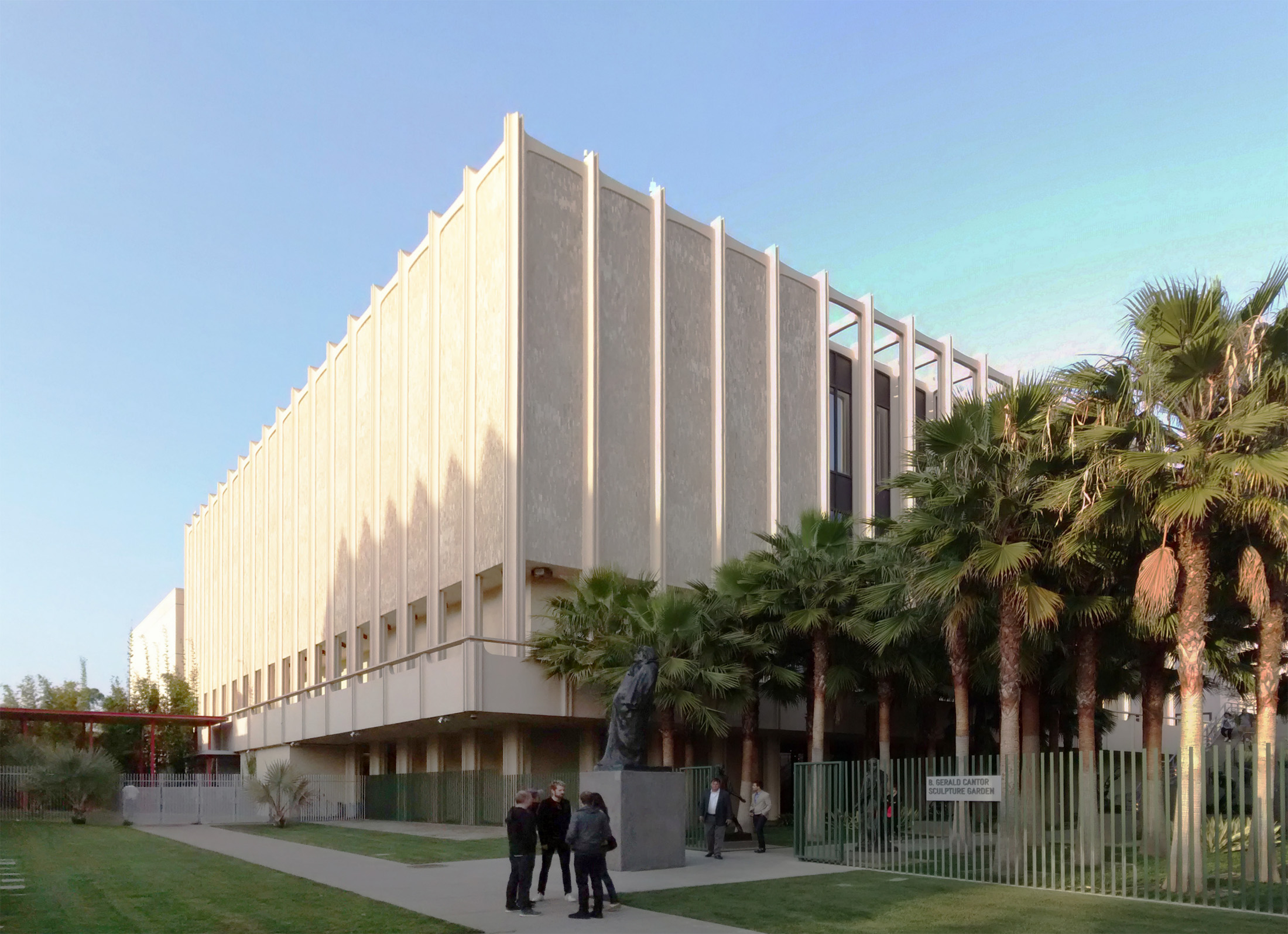
In recent years, LACMA has undergone significant transformation, most notably with the demolition of its original William Pereira-designed buildings to make way for the new Peter Zumthor-designed building. This ambitious project aims to modernize the museum's facilities and enhance visitor experience. The museum continues to engage with contemporary art dialogues. Its digital presence has also expanded, offering virtual tours and online collections to reach a global audience, especially following the operational shifts necessitated by the COVID-19 pandemic.
⚡ Current State & Latest Developments
The most significant controversy surrounding LACMA in recent memory has been the demolition of the William Pereira-designed buildings. Critics, including preservationists and architectural historians, argued that the original structures were significant works of modernist architecture and should have been preserved or incorporated into new designs. Proponents of the demolition contended that the original structures were structurally unsound and ill-suited for modern museum needs, and that the new design would create a more functional and engaging visitor experience. Another ongoing debate revolves around the museum's acquisition strategies and the representation of diverse voices and global art traditions within its collection, a common tension for large encyclopedic museums.
🤔 Controversies & Debates
The future of LACMA is intrinsically linked to the success and reception of its new Peter Zumthor-designed building, which is poised to redefine its physical presence and operational capabilities. Beyond architectural evolution, the museum is likely to continue its focus on expanding its collection to better reflect global artistic output and historical narratives, potentially acquiring more works from underrepresented regions and artists. Expect further integration of digital technologies to enhance visitor engagement and broaden accessibility. The institution will also face the ongoing challenge of balancing its role as a custodian of art history with its imperative to remain relevant and responsive to contemporary cultural dialogues and the evolving needs of its diverse Los Angeles audience.
🔮 Future Outlook & Predictions
LACMA serves as a vital educational resource, offering structured learning opportunities for students of all ages. Its collections and exhibitions are utilized by UCLA and CalArts for art history courses, research, and inspiration. The museum's public programming, including film screenings at the Bing Theater and outdoor concerts, provides accessible cultural experiences for the general public. The museum also acts as a significant economic driver for the Miracle Mile area, attracting visitors who patronize local businesses.
💡 Practical Applications
The Los Angeles County Museum of Art is deeply intertwined with the broader art world and the cultural landscape of Southern California. Its architectural history, from William Pereira's modernist vision to Renzo Piano's additions and the current Peter Zumthor project, places it within discussions of museum architecture and urban planning. For those interested in the evolution of art institutions, exploring the history of [[m
Key Facts
- Category
- culture
- Type
- topic