
Contents
Overview
The concept of long reigns can be traced back to ancient civilizations, where rulers like Pharaoh Ramses II of Egypt and Emperor Augustus of Rome established enduring legacies through their lengthy governance. Ramses II, who ruled for 66 years, is often celebrated for monumental architectural achievements, such as the temples at Abu Simbel, while Augustus, reigning for 41 years, transformed Rome from a republic to an empire. These long reigns often allowed for the consolidation of power and the implementation of significant reforms that shaped the course of history.
⚙️ How It Works
In the medieval period, monarchs such as Charlemagne and King Henry III of England exemplified the benefits of long reigns. Charlemagne's reign from 768 to 814 saw the Carolingian Renaissance, a revival of art, culture, and learning based on classical models, while Henry III's 56-year rule from 1216 to 1272 was marked by the establishment of the English Parliament. These leaders utilized their extended time in power to foster stability and promote cultural advancements, influencing the political landscape of Europe for generations.
🌍 Cultural Impact
The modern era has also seen long reigns, with figures like Queen Elizabeth II, who ruled for over 70 years, and King Bhumibol Adulyadej of Thailand, whose reign lasted 70 years as well. Elizabeth II's reign witnessed significant changes, including the decolonization of Africa and the evolution of the Commonwealth, while Bhumibol's leadership was characterized by his efforts in rural development and modernization in Thailand. Both monarchs navigated complex political landscapes, maintaining their relevance and influence through adaptability and public engagement.
🔮 Legacy & Future
Looking to the future, the phenomenon of long reigns may evolve with changing political structures and societal expectations. As seen with the rise of republics and democratic governance, the traditional monarchy may face challenges in sustaining long reigns. However, the historical significance of these lengthy tenures remains, as they often provide a lens through which we can understand the interplay of power, culture, and societal development across different eras.
Key Facts
- Year
- Ancient to Present
- Origin
- Global, with notable examples in Europe, Asia, and Africa
- Category
- history
- Type
- concept
Frequently Asked Questions
What defines a long reign?
A long reign is typically defined as a period of rule lasting several decades, often associated with stability and significant historical impact.
Who are some notable long-reigning monarchs?
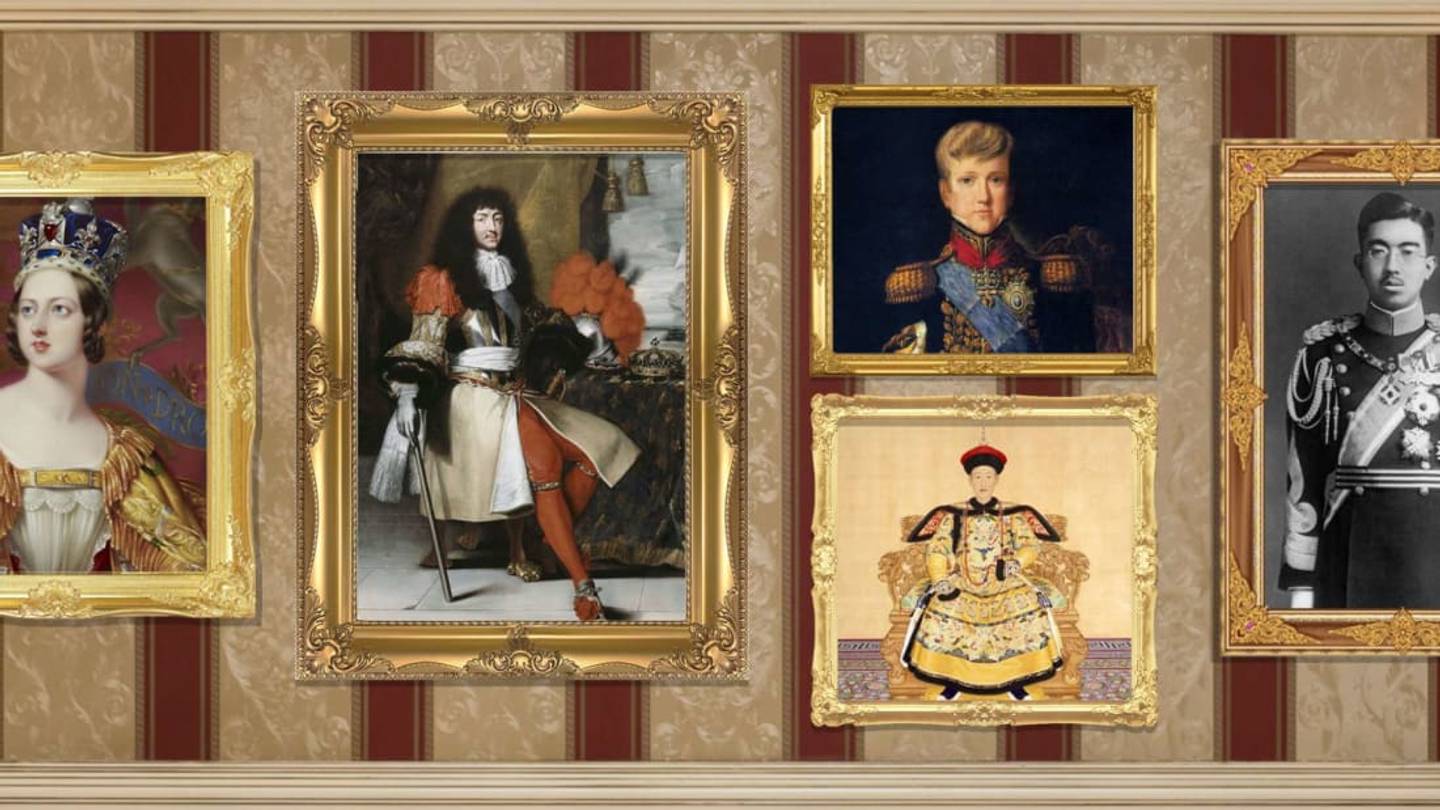
Notable long-reigning monarchs include Queen Elizabeth II, King Louis XIV, and Ramses II, each of whom left a profound legacy.
How do long reigns affect a country's culture?
Long reigns can lead to cultural advancements, as stable leadership often allows for the flourishing of the arts, education, and societal reforms.
Are long reigns still common today?
While long reigns are less common in modern democracies, some monarchies still maintain lengthy tenures, adapting to contemporary societal expectations.
What challenges do long-reigning monarchs face?
Long-reigning monarchs may face challenges such as political upheaval, changing public sentiments, and the need to modernize their roles in governance.