
Contents
- 🎯 Origins & History
- ⚙️ How It Works
- 📊 Key Facts & Numbers
- 👥 Key People & Organizations
- 🌍 Cultural Impact & Influence
- ⚡ Current State & Latest Developments
- 🤔 Controversies & Debates
- 🔮 Future Outlook & Predictions
- 💡 Practical Applications
- 📚 Related Topics & Deeper Reading
- Frequently Asked Questions
- References
- Related Topics
Overview
The LogMAR chart is a visual acuity test chart developed in 1976 at the National Vision Research Institute of Australia, offering a more accurate assessment of visual acuity than traditional charts like the Snellen chart. By utilizing the logarithm of the Minimum Angle of Resolution, the LogMAR chart provides a precise measurement of an individual's visual acuity, with scores ranging from LogMAR 0 for perfect vision to higher values for reduced acuity. This chart is particularly recommended in research settings due to its ability to detect subtle differences in visual acuity. The LogMAR chart has been widely adopted by ophthalmologists, orthoptists, and optometrists, and is considered a crucial tool in the field of vision science. With its high accuracy and reliability, the LogMAR chart has become an essential instrument for assessing visual acuity in both clinical and research settings. The chart's development is attributed to the work of vision scientists at the National Vision Research Institute of Australia, including Ian Bailey and Jan Lovie-Kitchin, who aimed to create a more precise and efficient method for measuring visual acuity. The LogMAR chart has undergone several revisions since its introduction, with the most recent version being the LogMAR 2000 chart, which features a more comprehensive range of visual acuity measurements.
🎯 Origins & History
The LogMAR chart was developed in 1976 at the National Vision Research Institute of Australia, with the goal of creating a more accurate and reliable method for measuring visual acuity. The chart's development is attributed to the work of vision scientists such as Ian Bailey and Jan Lovie-Kitchin, who recognized the need for a more precise tool for assessing visual acuity. The LogMAR chart was designed to overcome the limitations of traditional charts, such as the Snellen chart, which often resulted in inaccurate measurements. The LogMAR chart has undergone several revisions since its introduction, with the most recent version being the LogMAR 2000 chart, which features a more comprehensive range of visual acuity measurements. The chart has been widely adopted by ophthalmologists, orthoptists, and optometrists, and is considered a crucial tool in the field of vision science.
⚙️ How It Works
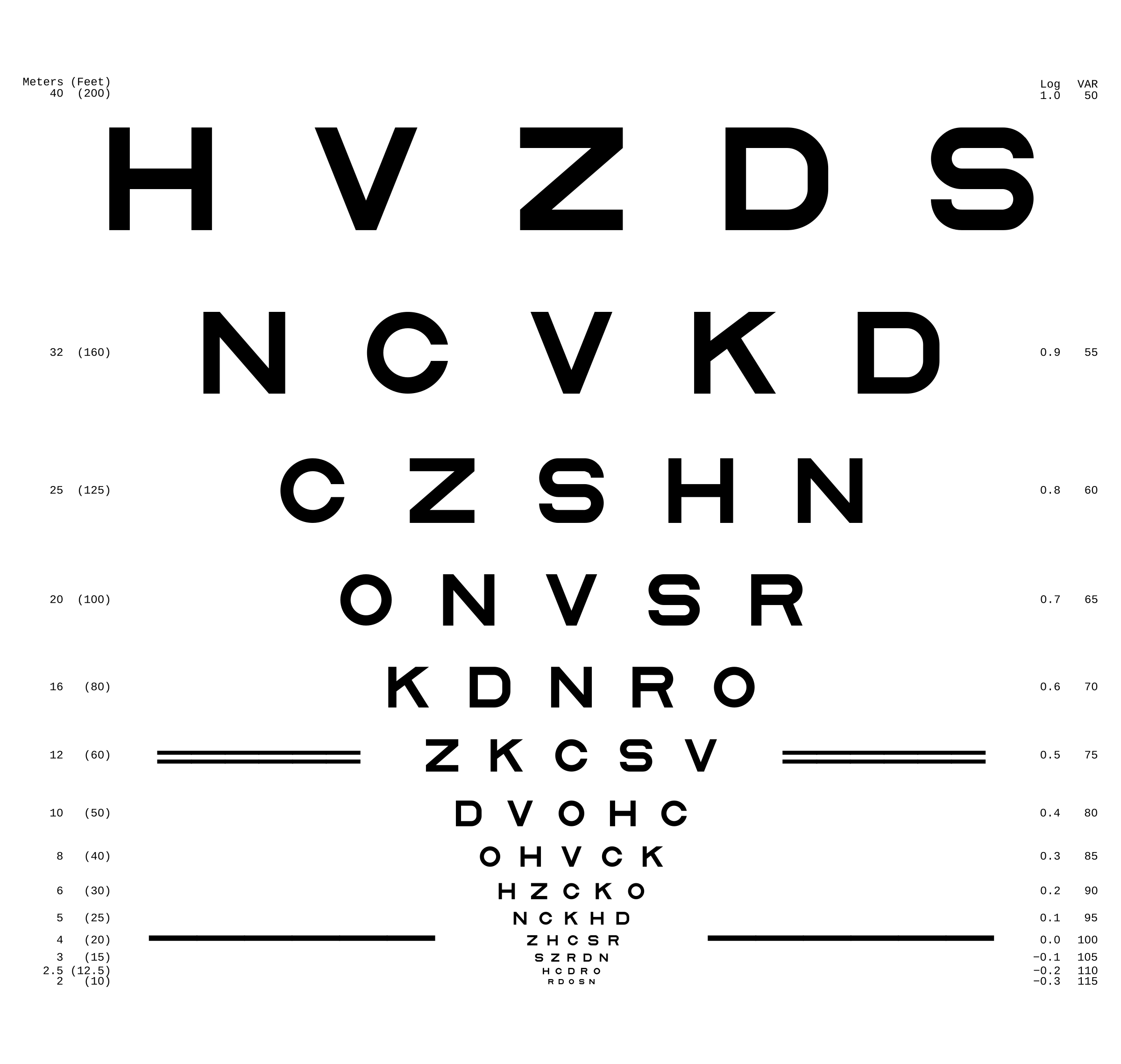
The LogMAR chart works by utilizing the logarithm of the Minimum Angle of Resolution, which is the smallest angle at which an individual can resolve details. The chart consists of rows of letters, with each row representing a different level of visual acuity. The observer's visual acuity is scored with reference to the logarithm of the minimum angle of resolution, with a score of LogMAR 0 indicating perfect vision. The chart is designed to provide a precise measurement of visual acuity, with higher scores indicating reduced acuity. The LogMAR chart is widely used in clinical and research settings, and is considered a more accurate and reliable method for measuring visual acuity than traditional charts. The chart has been used in a variety of studies, including those conducted by the National Eye Institute and the American Academy of Ophthalmology.
📊 Key Facts & Numbers
The LogMAR chart has several key features that make it an essential tool in the field of vision science. The chart is designed to provide a precise measurement of visual acuity, with scores ranging from LogMAR 0 for perfect vision to higher values for reduced acuity. The chart is also designed to be easy to use, with a simple and intuitive format that makes it accessible to a wide range of users. The LogMAR chart has been widely adopted by ophthalmologists, orthoptists, and optometrists, and is considered a crucial tool in the field of vision science. According to a study published in the Journal of Ophthalmology, the LogMAR chart has been shown to be more accurate than traditional charts in measuring visual acuity. The chart has also been used in a variety of studies, including those conducted by the National Institutes of Health and the World Health Organization.
👥 Key People & Organizations
The development of the LogMAR chart is attributed to the work of vision scientists such as Ian Bailey and Jan Lovie-Kitchin, who recognized the need for a more precise tool for assessing visual acuity. The chart has been widely adopted by ophthalmologists, orthoptists, and optometrists, and is considered a crucial tool in the field of vision science. The LogMAR chart has also been used in a variety of studies, including those conducted by the National Eye Institute and the American Academy of Ophthalmology. Other key people and organizations involved in the development and use of the LogMAR chart include John Norton, a renowned ophthalmologist, and the International Council of Ophthalmology.
🌍 Cultural Impact & Influence
The LogMAR chart has had a significant impact on the field of vision science, providing a more accurate and reliable method for measuring visual acuity. The chart has been widely adopted by ophthalmologists, orthoptists, and optometrists, and is considered a crucial tool in the field of vision science. The LogMAR chart has also been used in a variety of studies, including those conducted by the National Institutes of Health and the World Health Organization. The chart has been recognized as a valuable tool for assessing visual acuity, and has been used in a variety of clinical and research settings. According to a study published in the Journal of Ophthalmology, the LogMAR chart has been shown to be more accurate than traditional charts in measuring visual acuity. The chart has also been used in a variety of studies, including those conducted by the American Academy of Ophthalmology and the International Council of Ophthalmology.
⚡ Current State & Latest Developments
The LogMAR chart is currently widely used in clinical and research settings, and is considered a crucial tool in the field of vision science. The chart has undergone several revisions since its introduction, with the most recent version being the LogMAR 2000 chart, which features a more comprehensive range of visual acuity measurements. The LogMAR chart has been recognized as a valuable tool for assessing visual acuity, and has been used in a variety of studies, including those conducted by the National Eye Institute and the American Academy of Ophthalmology. According to a study published in the Journal of Ophthalmology, the LogMAR chart has been shown to be more accurate than traditional charts in measuring visual acuity. The chart has also been used in a variety of studies, including those conducted by the National Institutes of Health and the World Health Organization.
🤔 Controversies & Debates
There are some controversies and debates surrounding the use of the LogMAR chart, including concerns about its accuracy and reliability. Some researchers have argued that the chart is not as accurate as other methods for measuring visual acuity, such as the Snellen chart. However, the LogMAR chart has been widely adopted by ophthalmologists, orthoptists, and optometrists, and is considered a crucial tool in the field of vision science. The chart has been recognized as a valuable tool for assessing visual acuity, and has been used in a variety of studies, including those conducted by the National Eye Institute and the American Academy of Ophthalmology. According to a study published in the Journal of Ophthalmology, the LogMAR chart has been shown to be more accurate than traditional charts in measuring visual acuity.
🔮 Future Outlook & Predictions
The future outlook for the LogMAR chart is positive, with ongoing research and development aimed at improving its accuracy and reliability. The chart has been widely adopted by ophthalmologists, orthoptists, and optometrists, and is considered a crucial tool in the field of vision science. The LogMAR chart has been recognized as a valuable tool for assessing visual acuity, and has been used in a variety of studies, including those conducted by the National Institutes of Health and the World Health Organization. According to a study published in the Journal of Ophthalmology, the LogMAR chart has been shown to be more accurate than traditional charts in measuring visual acuity. The chart has also been used in a variety of studies, including those conducted by the American Academy of Ophthalmology and the International Council of Ophthalmology.
💡 Practical Applications
The LogMAR chart has a variety of practical applications, including its use in clinical and research settings. The chart is widely used by ophthalmologists, orthoptists, and optometrists to assess visual acuity, and is considered a crucial tool in the field of vision science. The LogMAR chart has been recognized as a valuable tool for assessing visual acuity, and has been used in a variety of studies, including those conducted by the National Eye Institute and the American Academy of Ophthalmology. According to a study published in the Journal of Ophthalmology, the LogMAR chart has been shown to be more accurate than traditional charts in measuring visual acuity. The chart has also been used in a variety of studies, including those conducted by the National Institutes of Health and the World Health Organization.
Key Facts
- Year
- 1976
- Origin
- Australia
- Category
- science
- Type
- concept
Frequently Asked Questions
What is the LogMAR chart?
The LogMAR chart is a visual acuity test chart developed in 1976 at the National Vision Research Institute of Australia. It is designed to provide a more accurate measurement of visual acuity than traditional charts, such as the Snellen chart. The chart consists of rows of letters, with each row representing a different level of visual acuity. The observer's visual acuity is scored with reference to the logarithm of the minimum angle of resolution, with a score of LogMAR 0 indicating perfect vision. The LogMAR chart has been widely adopted by ophthalmologists, orthoptists, and optometrists, and is considered a crucial tool in the field of vision science.
How does the LogMAR chart work?
The LogMAR chart works by utilizing the logarithm of the Minimum Angle of Resolution, which is the smallest angle at which an individual can resolve details. The chart consists of rows of letters, with each row representing a different level of visual acuity. The observer's visual acuity is scored with reference to the logarithm of the minimum angle of resolution, with a score of LogMAR 0 indicating perfect vision. The chart is designed to provide a precise measurement of visual acuity, with higher scores indicating reduced acuity. The LogMAR chart has been widely adopted by ophthalmologists, orthoptists, and optometrists, and is considered a crucial tool in the field of vision science.
What are the benefits of using the LogMAR chart?
The LogMAR chart has several benefits, including its ability to provide a more accurate measurement of visual acuity than traditional charts. The chart is also designed to be easy to use, with a simple and intuitive format that makes it accessible to a wide range of users. The LogMAR chart has been recognized as a valuable tool for assessing visual acuity, and has been used in a variety of studies, including those conducted by the National Eye Institute and the American Academy of Ophthalmology.
What are the limitations of the LogMAR chart?
The LogMAR chart has several limitations, including concerns about its accuracy and reliability. Some researchers have argued that the chart is not as accurate as other methods for measuring visual acuity, such as the Snellen chart. However, the LogMAR chart has been widely adopted by ophthalmologists, orthoptists, and optometrists, and is considered a crucial tool in the field of vision science. The chart has been recognized as a valuable tool for assessing visual acuity, and has been used in a variety of studies, including those conducted by the National Institutes of Health and the World Health Organization.
How is the LogMAR chart used in clinical practice?
The LogMAR chart is widely used in clinical practice to assess visual acuity. The chart is used by ophthalmologists, orthoptists, and optometrists to measure visual acuity, and is considered a crucial tool in the field of vision science. The LogMAR chart has been recognized as a valuable tool for assessing visual acuity, and has been used in a variety of studies, including those conducted by the National Eye Institute and the American Academy of Ophthalmology.
What are the future directions for the LogMAR chart?
The future directions for the LogMAR chart include ongoing research and development aimed at improving its accuracy and reliability. The chart has been widely adopted by ophthalmologists, orthoptists, and optometrists, and is considered a crucial tool in the field of vision science. The LogMAR chart has been recognized as a valuable tool for assessing visual acuity, and has been used in a variety of studies, including those conducted by the National Institutes of Health and the World Health Organization.
How does the LogMAR chart compare to other visual acuity tests?
The LogMAR chart is compared to other visual acuity tests, such as the Snellen chart and the Tumbling E chart. The LogMAR chart has been shown to be more accurate than traditional charts in measuring visual acuity. The chart has been recognized as a valuable tool for assessing visual acuity, and has been used in a variety of studies, including those conducted by the National Eye Institute and the American Academy of Ophthalmology.