
Contents
Overview
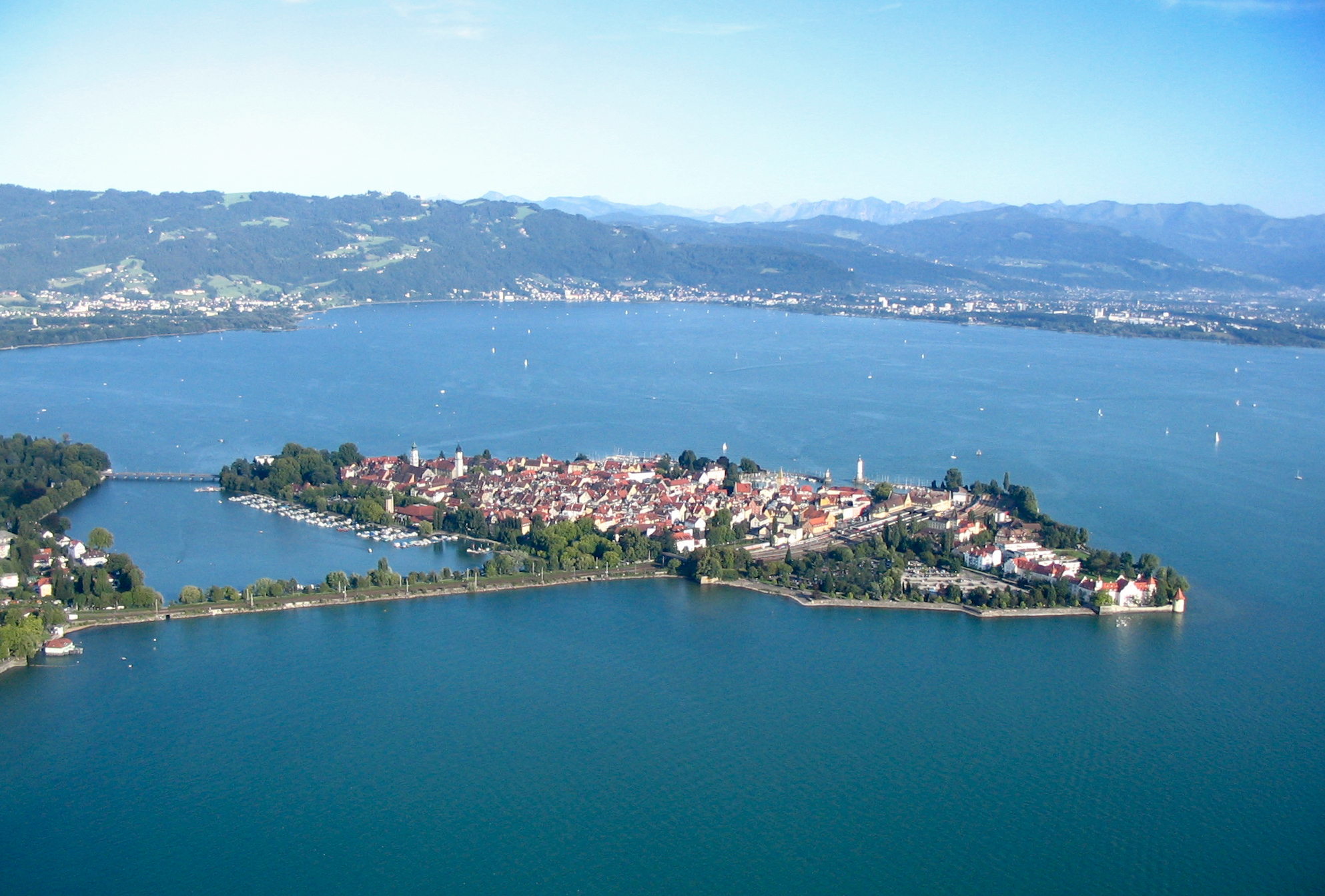
Lindau, primarily recognized as a surname, traces its origins to the picturesque island town of Lindau (Bodensee) in Bavaria, Germany. This geographical namesake has lent its name to numerous individuals and families, particularly within German-speaking communities. While the town itself is famed for its medieval architecture and stunning location on Lake Constance, the surname Lindau has quietly spread across the globe, appearing in various contexts from academic circles to everyday life. The exact prevalence and historical migration patterns of the Lindau surname are complex, but its presence signifies a connection to a specific, historically rich European locale. Understanding the surname requires acknowledging its geographical anchor and the subsequent dispersal of families bearing the name through migration and historical events.
🎵 Origins & History
The town's name itself is believed to derive from the Old High German 'Lînda' meaning 'linden tree,' referencing the numerous lime trees that once grew on the island. Families residing in or originating from the town of Lindau would have adopted the toponym as their family name, a practice common throughout German-speaking countries. Over centuries, migration, particularly during periods of economic hardship or political upheaval, led to the dispersal of families bearing the Lindau name beyond Bavaria and across the globe. The surname's history is thus intrinsically linked to the broader patterns of European migration and the establishment of diasporic communities.
⚙️ How It Works
The 'mechanism' by which the surname Lindau functions is through its role as a hereditary identifier. Like most surnames, it is passed down from parent to child, typically through the paternal line. The surname serves to distinguish individuals and families, connecting them to a shared ancestral geography and, by extension, a common historical lineage. The town of Lindau is a physical place with distinct geographical features and a rich history documented by historians like Hans Schneider, while the surname Lindau operates as an abstract identifier. Its 'function' is social and genealogical, providing a link to a specific place of origin and a shared family history, even for descendants who may have never visited the original town. The surname's persistence is a testament to the enduring power of hereditary surnames in maintaining family identity across generations and geographical distances.
📊 Key Facts & Numbers
While precise global figures for the surname Lindau are difficult to ascertain without comprehensive genealogical databases, estimates suggest there are individuals worldwide bearing the name. In Germany, Lindau ranks among the more common surnames, though not in the top tier. For instance, studies by Forebears.co indicate that the surname is most concentrated in Germany, with notable populations also present in the United States, Canada, and Australia, reflecting historical migration patterns. Data from the U.S. Census Bureau, while not publicly itemized for every surname, suggests that surnames of German origin are among the most prevalent in the United States. The surname's frequency can fluctuate, but its consistent appearance across multiple continents underscores its historical significance.
👥 Key People & Organizations
Key individuals and organizations associated with the surname Lindau are diverse, spanning various fields. Erik Lindau's work concerns sustainable development in developing countries. Within the realm of business, the Lindau name might appear in company registries, though no single dominant global corporation bears the name prominently today. Historically, families with the Lindau surname would have been integrated into local Bavarian communities, participating in civic life and trades. Organizations such as the Lindau Nobel Laureate Meetings, while named after the town, are a significant global entity that indirectly associates the name with scientific achievement, even if not directly linked to individuals with the surname. The surname's presence in historical records, such as local church registers and census data from places like New York City, further solidifies its historical footprint.
🌍 Cultural Impact & Influence
The cultural impact of the surname Lindau is primarily indirect, stemming from its association with the town of Lindau. The town's picturesque medieval island setting has inspired artists and writers, and its role as a meeting point for Nobel laureates through the Lindau Nobel Laureate Meetings has cemented its reputation in the global scientific community. Individuals bearing the surname Lindau have contributed to various cultural spheres, from arts and sciences to literature and sports, though often without the surname itself becoming the primary identifier of their cultural contribution. For example, a musician named Lindau might contribute to the indie music scene or a writer might publish a novel, their work adding to the broader cultural tapestry. The surname's influence is thus more about the collective achievements of those who bear it, rather than a singular, defining cultural movement directly attributable to the name itself.
⚡ Current State & Latest Developments
Currently, the surname Lindau continues to be carried by individuals across the globe, maintaining its presence in diverse communities. While no single dominant trend defines the current state of the surname, its bearers are likely engaged in a wide array of professions and pursuits, mirroring the general population. In Germany, the surname remains a recognized identifier, and genealogical research continues to trace family lines back to the Bavarian origins. The digital age has also made it easier for individuals with the Lindau surname to connect with each other through social media platforms like Facebook and professional networks like LinkedIn, potentially fostering new communities or collaborative projects. The ongoing process of genealogical research ensures that the history and spread of the Lindau surname are continually being documented and understood.
🤔 Controversies & Debates
A primary point of discussion surrounding surnames like Lindau is their potential for misidentification or confusion with the place name. While the surname is derived from the town, individuals bearing the name are not necessarily from Lindau, nor do they possess any inherent connection to the town's specific history beyond ancestral lineage. Another subtle debate can arise in genealogical research regarding the precise origin of specific branches of the Lindau family, as migration patterns can lead to multiple, independent adoptions of the toponym as a surname in different regions or time periods. Furthermore, the relative rarity of the surname compared to more common German names can sometimes lead to assumptions about shared ancestry among unrelated individuals who happen to share the name. The genealogical society often grapples with these nuances when tracing family trees.
🔮 Future Outlook & Predictions
The future outlook for the surname Lindau is one of continued persistence and gradual evolution. As global mobility increases and genealogical research becomes more accessible through platforms like Ancestry.com and MyHeritage.com, individuals bearing the surname will likely continue to explore their heritage and connect with distant relatives. The surname will persist as long as families continue to pass it down through generations. It is unlikely to disappear, but its geographical distribution may continue to shift with global migration trends. Future developments might include more individuals with the Lindau surname achieving prominence in fields such as artificial intelligence, biotechnology, or climate science, further diversifying the contexts in which the name appears. The surname's future is tied to the future of family identity and the ongoing human impulse to understand one's roots.
💡 Practical Applications
The primary 'practical application' of the surname Lindau is its function as a genealogical marker, enabling individuals to trace their ancestry and understand their family history. For those interested in German genealogy, the surname Lindau serves as a crucial starting point for research, potentially leading back to the town of Lindau and its historical records. Beyond personal genealogy, the surname may appear in various professional contexts, such as on academic papers, business directories, or legal documents, simply as a
Key Facts
- Category
- culture
- Type
- topic