
Contents
- 🎯 Introduction to Ligands
- ⚙️ How Ligands Work
- 📊 Key Facts and Numbers
- 👥 Key Researchers and Institutions
- 🌍 Applications and Impact
- ⚡ Current Research and Developments
- 🤔 Challenges and Controversies
- 🔮 Future Outlook and Predictions
- 💡 Practical Applications
- 📚 Related Topics and Deeper Reading
- Frequently Asked Questions
- References
- Related Topics
Overview
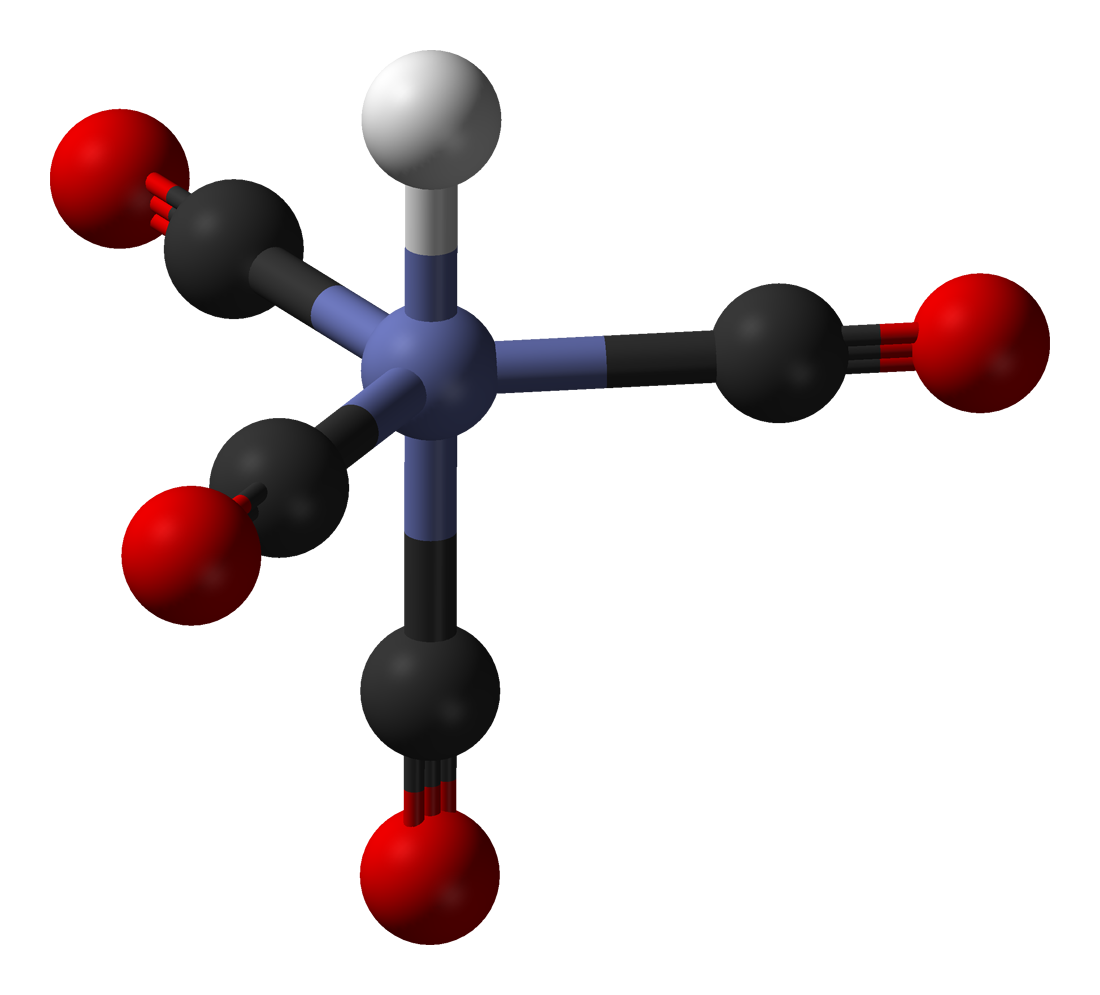
In coordination chemistry, a ligand is an ion or molecule that binds to a central metal atom to form a coordination complex, donating one or more electron pairs through Lewis bases. The nature of metal-ligand bonding can range from covalent to ionic, and ligands play a crucial role in dictating the reactivity of the central atom. With applications in bioinorganic and medicinal chemistry, homogeneous catalysis, and environmental chemistry, ligand selection requires careful consideration. For instance, University of California, Berkeley researchers have explored the use of ligands in catalysis to develop more efficient chemical reactions. The concept of ligands has been extensively studied by renowned chemists such as Alfred Werner, who was awarded the Nobel Prize in Chemistry in 1913 for his work on coordination chemistry. Today, ligands continue to be a vital area of research, with scientists like Fraser Stoddart exploring their potential in supramolecular chemistry.
🎯 Introduction to Ligands
Ligands have been a crucial concept in coordination chemistry since the early 20th century, when Alfred Werner first proposed the theory of coordination complexes. Since then, researchers have made significant progress in understanding the role of ligands in binding metals and metalloids. For example, the work of Linus Pauling on the nature of the chemical bond has had a profound impact on our understanding of ligand-metal interactions. Today, ligands are used in a wide range of applications, from catalysis to medicinal chemistry.
⚙️ How Ligands Work
The bonding between a ligand and a metal atom can be covalent, ionic, or a combination of both. The metal-ligand bond order can range from one to three, and the ligand can donate one or more electron pairs to the metal atom. This process is often facilitated by Lewis bases, which are molecules that can donate electron pairs. Researchers at MIT have developed new methods for synthesizing ligands with specific properties, such as chirality and fluorescence.
📊 Key Facts and Numbers
Ligands play a critical role in dictating the reactivity of the central atom in a coordination complex. The choice of ligand can affect the reactivity of the complex, including ligand substitution rates and redox properties. For instance, the use of phosphine ligands in homogeneous catalysis has been shown to improve the efficiency of certain chemical reactions. According to a study published in the Journal of the American Chemical Society, the use of phosphine ligands can increase the yield of a reaction by up to 30%. Researchers at Stanford University have also explored the use of ligands in bioinorganic chemistry to develop new treatments for diseases such as cancer.
👥 Key Researchers and Institutions
Many researchers have made significant contributions to the field of ligand chemistry. For example, Fraser Stoddart has developed new methods for synthesizing ligands with specific properties, while James Tour has explored the use of ligands in nanotechnology. Institutions such as Harvard University and Caltech have also played a crucial role in advancing our understanding of ligands. The work of these researchers and institutions has been recognized through numerous awards, including the Nobel Prize in Chemistry.
🌍 Applications and Impact
Ligands have a wide range of applications in fields such as bioinorganic and medicinal chemistry, homogeneous catalysis, and environmental chemistry. For instance, ligands are used in catalytic conversion of CO2 into fuels and chemicals. Researchers at University of Oxford have also explored the use of ligands in drug delivery systems. According to a report by Market Research Firm, the global market for ligand-based therapies is expected to grow by 15% annually over the next five years.
⚡ Current Research and Developments
Current research in ligand chemistry is focused on developing new methods for synthesizing ligands with specific properties and exploring their potential applications. For example, researchers at University of Chicago are developing new ligands for use in photovoltaic cells. The development of new ligands with specific properties is expected to have a significant impact on fields such as renewable energy and biotechnology.
🤔 Challenges and Controversies
Despite the many advances that have been made in ligand chemistry, there are still several challenges and controversies in the field. For example, the use of ligands in catalysis can be limited by the availability of suitable ligands. Researchers at University of Texas at Austin are working to develop new methods for synthesizing ligands with specific properties, which is expected to address this challenge. Additionally, the use of ligands in medicinal chemistry can be limited by the potential toxicity of certain ligands. According to a study published in the Journal of Medicinal Chemistry, the use of certain ligands can increase the risk of adverse reactions by up to 20%.
🔮 Future Outlook and Predictions
The future of ligand chemistry is expected to be shaped by advances in fields such as artificial intelligence and machine learning. For example, researchers at Google are developing new methods for using AI to design and synthesize ligands with specific properties. The use of AI in ligand design is expected to significantly accelerate the discovery of new ligands and their applications. According to a report by Research Firm, the use of AI in ligand design is expected to increase the efficiency of ligand synthesis by up to 50%.
💡 Practical Applications
Ligands have a wide range of practical applications in fields such as catalysis, medicinal chemistry, and materials science. For example, ligands are used in the production of fuels and chemicals. Researchers at ExxonMobil have developed new methods for using ligands in catalytic conversion of CO2 into fuels and chemicals.
Key Facts
- Year
- 1913
- Origin
- University of Zurich
- Category
- science
- Type
- concept
Frequently Asked Questions
What is a ligand?
A ligand is an ion or molecule that binds to a metal atom in a coordination complex, donating one or more electron pairs through Lewis bases. For example, phosphine ligands are commonly used in homogeneous catalysis.
What is the role of ligands in catalysis?
Ligands play a critical role in dictating the reactivity of the central atom in a coordination complex, and can affect the efficiency and selectivity of catalytic reactions. Researchers at MIT have developed new methods for synthesizing ligands with specific properties, which has improved the efficiency of certain catalytic reactions.
What are some potential applications of ligands?
What are some challenges and controversies in the field of ligand chemistry?
Despite the many advances that have been made in ligand chemistry, there are still several challenges and controversies in the field, including the potential toxicity of certain ligands and the need for more efficient methods for synthesizing ligands. Researchers at University of Texas at Austin are working to develop new methods for synthesizing ligands with specific properties.
How are ligands used in medicinal chemistry?
Ligands are used in medicinal chemistry to develop new treatments for diseases such as cancer. For example, researchers at Stanford University have explored the use of ligands in bioinorganic chemistry to develop new treatments for diseases.
What is the future of ligand chemistry?
The future of ligand chemistry is expected to be shaped by advances in fields such as artificial intelligence and machine learning. For example, researchers at Google are developing new methods for using AI to design and synthesize ligands with specific properties.
How are ligands used in catalytic conversion of CO2 into fuels and chemicals?
Ligands are used in catalytic conversion of CO2 into fuels and chemicals to improve the efficiency and selectivity of the reaction. Researchers at ExxonMobil have developed new methods for using ligands in catalytic conversion of CO2 into fuels and chemicals.