
Contents
Overview
The formal study of coordination chemistry began to coalesce in the late 19th century, largely driven by the groundbreaking work of Alfred Werner. Before Werner, compounds like cobalt hexammine chloride ([Co(NH₃)₆]Cl₃) were baffling, as their properties didn't align with existing theories of valence. Werner, through meticulous synthesis and conductivity measurements, proposed that metal ions could form secondary valencies, leading to the concept of coordination spheres. His seminal 1893 paper, "Beiträge zur Theorie der alkoholischer Lösungen von Metallen," laid the foundation for understanding these complexes, earning him the Nobel Prize in Chemistry in 1913. Early research also saw contributions from chemists like Richard Wilhelm Henning Guggenheim and George de Hevesy, who explored the properties and applications of these compounds, including their use in analytical chemistry and early radiochemistry.
⚙️ How It Works
At its heart, coordination chemistry revolves around the formation of coordinate covalent bonds between a central metal atom or ion and surrounding ligands. These ligands, which can be neutral molecules like ammonia (NH₃) or water (H₂O), or anions like chloride (Cl⁻) and cyanide (CN⁻), donate electron pairs to the vacant orbitals of the metal center. The number of ligands bound to the metal is its coordination number, a key structural determinant. The geometry of these complexes—whether linear, tetrahedral, square planar, or octahedral—is dictated by the metal's electronic configuration and the steric bulk of the ligands. Theories like Valence Bond Theory and Crystal Field Theory were developed to explain the bonding, electronic structures, magnetic properties, and colors of these fascinating molecules.
📊 Key Facts & Numbers
The field of coordination chemistry is immense, with estimates suggesting over 10 million known coordination compounds, a number that grows by tens of thousands annually. Transition metals, particularly those in the first row like iron, cobalt, and nickel, form the most extensively studied complexes, with over 500,000 unique iron coordination compounds documented. The global market for catalysts, a major application area, is valued at over $50 billion annually, with coordination complexes forming the backbone of many industrial processes. For instance, Ziegler-Natta catalysts, coordination complexes used in polyethylene production, revolutionized the plastics industry, with global production exceeding 100 million metric tons per year.
👥 Key People & Organizations
Beyond Alfred Werner, numerous chemists have shaped coordination chemistry. Linus Pauling contributed significantly with his theories on bonding, though his initial reluctance to fully embrace Werner's ideas caused some historical friction. Frederick Basolo and Ralph G. Pearson were instrumental in developing the field of inorganic reaction mechanisms, detailing how coordination complexes undergo transformations. Organizations like the Royal Society of Chemistry and the American Chemical Society host numerous symposia and publish leading journals such as Inorganic Chemistry and Dalton Transactions, which are critical for disseminating new research. Major research institutions globally, including MIT, Stanford University, and the Max Planck Society, house leading research groups in this domain.
🌍 Cultural Impact & Influence
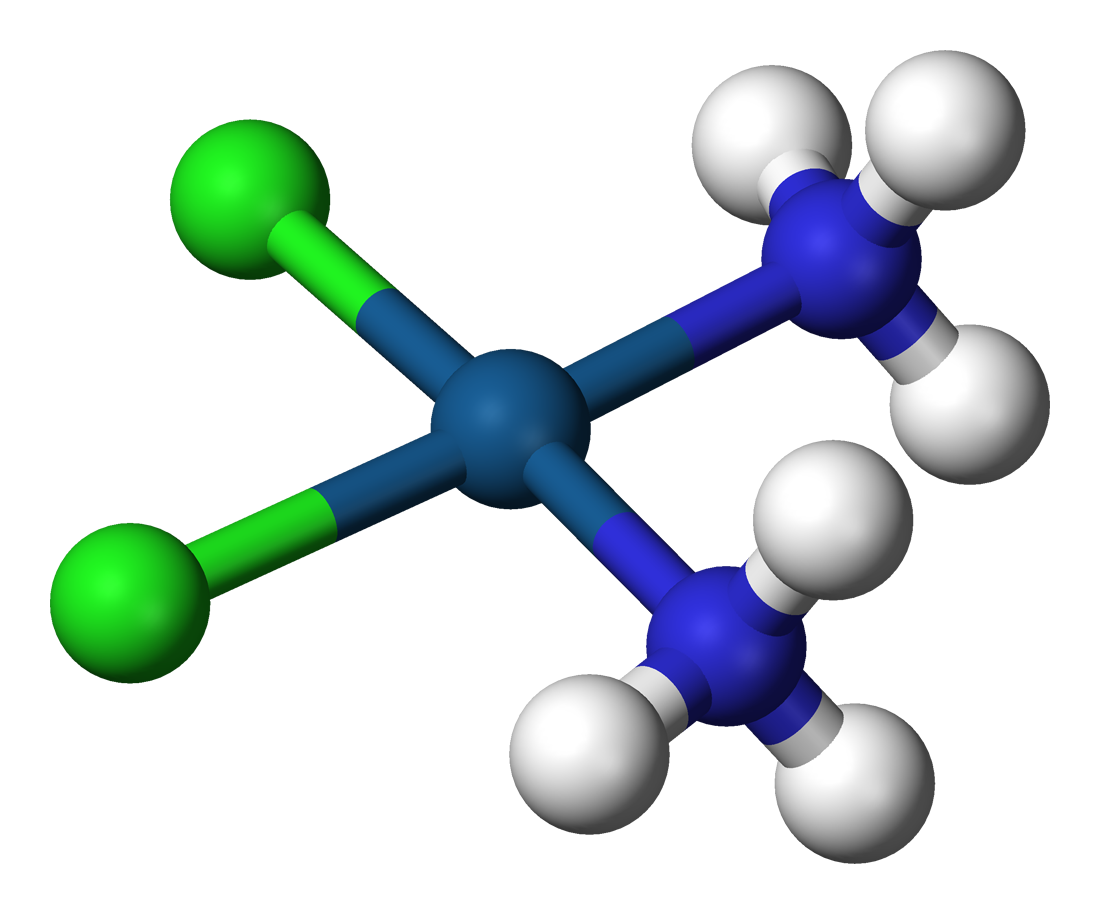
Coordination chemistry is woven into the fabric of life and technology. The vibrant colors of many gemstones, like rubies and sapphires, are due to the coordination complexes of transition metals within their crystal lattices. In biology, hemoglobin, the protein responsible for oxygen transport in blood, relies on an iron coordination complex (heme) to bind oxygen. Enzymes like cytochrome P450 utilize metal centers to catalyze crucial metabolic reactions. The development of platinum-based chemotherapy drugs, such as cisplatin, has revolutionized cancer treatment, demonstrating the profound impact of coordination complexes on human health. Even everyday items like detergents often contain chelating agents, which are coordination compounds that bind to metal ions.
⚡ Current State & Latest Developments
Current research in coordination chemistry is pushing boundaries in several directions. The design of novel catalysts for sustainable energy production, such as hydrogen production via water splitting or carbon dioxide reduction, is a major focus, with researchers developing highly active and selective metal complexes. The development of metal-organic frameworks (MOFs), porous coordination polymers, has exploded, with applications ranging from gas storage and separation to drug delivery and sensing. The exploration of single-molecule magnets and quantum computing materials based on coordination complexes is gaining momentum.
🤔 Controversies & Debates
One persistent debate in coordination chemistry centers on the relative merits of different theoretical models, such as Crystal Field Theory versus Ligand Field Theory and Molecular Orbital Theory, in accurately predicting complex properties. While CFT provides a simple, intuitive explanation for color and magnetism, LFT and MOT offer more sophisticated descriptions of bonding. Another area of contention involves the precise mechanisms of catalytic cycles involving coordination complexes, particularly in complex biological systems or industrial processes where intermediates can be transient and difficult to characterize. The environmental impact and toxicity of certain heavy metal complexes, especially those used in pigments or as catalysts, also remain a significant ethical and practical concern, driving research into greener alternatives.
🔮 Future Outlook & Predictions
The future of coordination chemistry appears exceptionally bright, driven by the urgent need for sustainable technologies and advanced materials. Expect to see a surge in the development of highly efficient and earth-abundant metal catalysts for energy conversion and chemical synthesis, moving away from expensive and rare platinum-group metals. The design of sophisticated MOFs with tailored pore sizes and functionalities will likely lead to breakthroughs in carbon capture and purification technologies. In medicine, the development of targeted drug delivery systems and diagnostic agents based on coordination complexes will continue to advance. Furthermore, the integration of coordination chemistry with nanotechnology promises novel materials with unprecedented electronic, optical, and magnetic properties, potentially paving the way for new generations of sensors and quantum devices.
💡 Practical Applications
Coordination complexes are indispensable in numerous practical applications. In industry, they serve as catalysts for a vast array of chemical transformations, including polymerization (e.g., polyethylene and polypropylene production via Ziegler-Natta catalysts), hydrogenation, and oxidation. In medicine, cisplatin and its derivatives are vital chemotherapy agents, while gadolinium-based complexes are used as contrast agents in MRI. Analytical chemistry relies heavily on coordination compounds for detecting and quantifying metal ions, often through colorimetric or electrochemical methods. Pigments and dyes, such as phthalocyanine blues and greens, are coordination complexes prized for their stability and color intensity. Even in agriculture, micronutrient fertilizers often deliver essential metals like iron and zinc in chelated forms for better plant uptake.
Key Facts
- Category
- science
- Type
- topic