
Contents
Overview
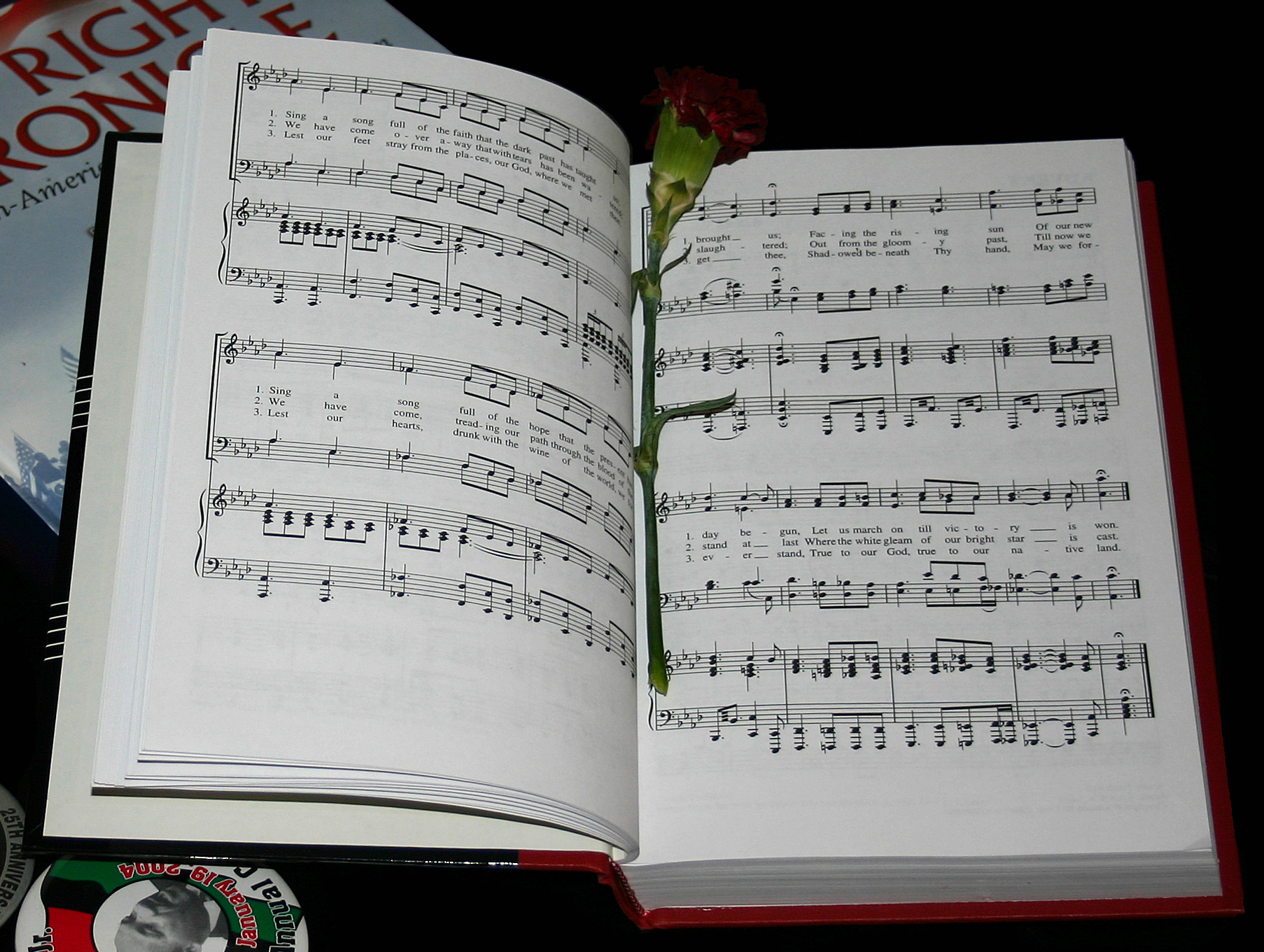
"Lift Every Voice and Sing," often referred to as the "Black National Anthem," is a powerful hymn whose lyrics were penned by James Weldon Johnson and set to music by his brother, J. Rosamond Johnson. Born from the profound experiences of African Americans navigating the post-Reconstruction era, the song functions as both a solemn prayer of gratitude and a fervent plea for enduring faith, liberty, and the eventual arrival in a promised land, drawing parallels to the biblical Exodus. The National Association for the Advancement of Colored People (NAACP) officially recognized and promoted it as a "Negro national anthem." Its enduring presence is marked by its inclusion in at least 49 Christian hymnals and countless performances by prominent Black artists, solidifying its status as a cornerstone of American cultural and civil rights history.
🎵 Origins & History
The genesis of "Lift Every Voice and Sing" lies in the late 19th century, a period of immense struggle and resilience for African Americans following the Civil War. James Weldon Johnson penned the lyrics in Jacksonville, Florida, reportedly for a celebration of Abraham Lincoln's birthday. His brother, J. Rosamond Johnson, a composer and performer, later composed the music, transforming Johnson's poetic vision into a stirring anthem. The song's imagery draws heavily from biblical narratives, particularly the Exodus story, framing the African American experience as a journey from bondage to freedom, a prayer for divine guidance through trials, and a hopeful anticipation of a "promised land." Its initial public performance is often cited as occurring around 1900, quickly embedding itself into the fabric of Black spiritual and cultural life.
⚙️ How It Works
The hymn's structure is that of a traditional anthem, designed for congregational singing and powerful vocal performance. The lyrics, meticulously crafted by James Weldon Johnson, employ rich metaphors and a clear narrative arc. The first stanza establishes a tone of solemn thanksgiving and remembrance of past struggles, invoking divine providence. The second stanza acknowledges the hardships and injustices faced, yet maintaining a spirit of defiance and hope for eventual triumph. The final stanza builds to a crescendo, a fervent prayer for liberty, justice, and the enduring strength of the Black community, culminating in a powerful affirmation of faith and resilience. J. Rosamond Johnson's musical composition complements this lyrical journey, featuring a majestic melody and harmonies that lend themselves to both solemn reflection and rousing declaration, making it suitable for a wide range of musical interpretations from gospel choirs to solo artists.
📊 Key Facts & Numbers
"Lift Every Voice and Sing" has been formally recognized by at least 49 different Christian hymnals, underscoring its deep integration into religious practice. The National Association for the Advancement of Colored People officially adopted it as the "Negro national anthem" in 1917, a designation that has been widely embraced and utilized for over a century. The song has been performed by notable artists including Mahalia Jackson, Sam Cooke, and Beyoncé Knowles-Carter. Its enduring cultural significance is reflected in its consistent presence at civil rights events, educational institutions, and national commemorations, reaching an estimated tens of millions of people annually through various performances and broadcasts.
👥 Key People & Organizations
The primary architects of "Lift Every Voice and Sing" were the Johnson brothers: James Weldon Johnson, the lyricist, and J. Rosamond Johnson, the composer. James Weldon Johnson was a towering figure in the Harlem Renaissance movement, serving as a lawyer, educator, diplomat, and a key leader in the National Association for the Advancement of Colored People, where he spearheaded the song's promotion. J. Rosamond Johnson was a respected composer and performer, known for his work in musical theater and his contributions to Black music. Beyond the brothers, the National Association for the Advancement of Colored People played a pivotal role in elevating the song's status, officially adopting it in 1917. Countless artists, including Mahalia Jackson, Paul Robeson, and Stevie Wonder, have performed and championed the hymn, ensuring its continued relevance.
🌍 Cultural Impact & Influence
The cultural impact of "Lift Every Voice and Sing" is profound and multifaceted. It has served as a unifying anthem for the Black community for over a century, providing solace, inspiration, and a shared identity during periods of intense racial segregation and discrimination. Its adoption by the National Association for the Advancement of Colored People in 1917 cemented its role as a "Negro national anthem," a powerful counterpoint to the dominant national narrative. The song's influence extends beyond civil rights activism, appearing in numerous Christian hymnals and inspiring subsequent generations of musicians and activists. Its performance at pivotal moments has amplified its message of hope and justice, resonating deeply within the broader American consciousness and influencing global movements for liberation.
⚡ Current State & Latest Developments
In contemporary times, "Lift Every Voice and Sing" continues to be a potent symbol of Black identity and the ongoing struggle for racial justice. Its performance remains a staple at Juneteenth celebrations, Black History Month events, and protests against racial inequality. While its status as the "Black National Anthem" is widely acknowledged, discussions persist regarding its formal recognition at national sporting events or governmental ceremonies, reflecting its evolving role in the American cultural landscape. The song's enduring power is evident in its continued ability to mobilize and inspire, demonstrating its lasting significance in the 21st century.
🤔 Controversies & Debates
The primary debate surrounding "Lift Every Voice and Sing" centers on its official recognition and place within the broader American national identity. While universally embraced within the Black community as the "Black National Anthem," some argue for its more prominent inclusion in national ceremonies, alongside "The Star-Spangled Banner." Critics or those unfamiliar with its history sometimes question its necessity or perceived divisiveness, though proponents emphasize its role as a vital expression of a significant segment of American history and identity. Another point of discussion involves its musical arrangement; while the original composition by J. Rosamond Johnson is revered, various modern interpretations by artists like Beyoncé Knowles-Carter have sparked conversations about artistic evolution versus preservation of tradition. The debate is less about the song's inherent value and more about its symbolic weight and public acknowledgment.
🔮 Future Outlook & Predictions
The future of "Lift Every Voice and Sing" appears secure, poised to continue its role as a vital cultural touchstone. As discussions around racial justice and equity persist, the anthem's message of hope, resilience, and the pursuit of freedom will likely find renewed resonance. Educational institutions will continue to incorporate it into curricula, ensuring younger generations understand its historical significance. We can anticipate further artistic reinterpretations by contemporary musicians, potentially introducing the song to new audiences and contexts, much like Beyoncé Knowles-Carter's performance at Coachella in 2018. The ongoing dialogue about its place in national discourse may also lead to increased formal recognition, though its power as an organic, community-driven anthem is unlikely to diminish. Its legacy is one of enduring relevance, adapting to new eras while holding fast to its core message.
💡 Practical Applications
"Lift Every Voice and Sing" finds practical application in numerous spheres, primarily as an anthem for inspiration, unity, and remembrance. It is frequently sung at Juneteenth celebrations, marking the emancipation of enslaved African Americans. Educational institutions, particularly those serving Black students, often feature it during assemblies, Black History Month events, and graduations, reinforcing cultural pride and historical awareness. In the realm of activism, it serves as a powerful rallying cry during protests and marches advocating for civil rights and social justice, echoing the sentiments of the Civil Rights Movement. Furthermore, its inclusion in various Christian hymnals makes it a r
Key Facts
- Category
- culture
- Type
- topic