
Contents
- 🌎 Introduction to the LGBTQ Movement
- 📍 History of the LGBTQ Movement
- 👥 Key Figures in the LGBTQ Movement
- 📊 LGBTQ Rights by Country
- 🌈 LGBTQ Subcultures and Communities
- 🚫 Challenges and Controversies
- 💪 Allyship and Support
- 📚 Resources and Education
- 🎉 LGBTQ Events and Celebrations
- 🤝 Getting Involved and Making a Difference
- Frequently Asked Questions
- Related Topics
Overview
The LGBTQ movement, with a vibe score of 8, has been a cornerstone of social change, advocating for the rights and dignity of lesbian, gay, bisexual, transgender, and queer individuals. From the 1969 Stonewall riots in New York City to the present day, the movement has grown in strength and diversity, with key figures like Marsha P. Johnson, Harvey Milk, and Audre Lorde contributing to its progress. The movement has faced numerous challenges, including the AIDS epidemic, discriminatory laws, and violent hate crimes, but has also achieved significant milestones, such as the legalization of same-sex marriage in many countries and the increasing visibility of LGBTQ individuals in media and politics. However, controversy and tension still surround the movement, with some arguing that it has become too commercialized and others pushing for greater inclusivity and intersectionality. As the movement continues to evolve, it is likely to remain a major force for social change, with influence flowing from grassroots activism to mainstream culture. With a controversy spectrum rating of 6, the LGBTQ movement remains a complex and multifaceted entity, with both optimistic and pessimistic perspectives on its future.
🌎 Introduction to the LGBTQ Movement
The LGBTQ movement, also known as the lesbian, gay, bisexual, transgender, and queer movement, is a social justice movement that advocates for the rights and equality of individuals who identify as LGBTQ. The movement has a rich history, dating back to the Stonewall Riots in 1969, and has since grown to become a global phenomenon, with organizations and individuals working together to promote LGBTQ rights and challenge discriminatory laws and practices. The movement is closely tied to other social justice movements, including the Feminist Movement and the Civil Rights Movement. Today, the LGBTQ movement continues to push for progress, with a focus on issues like Marriage Equality and Transgender Rights.
📍 History of the LGBTQ Movement
The history of the LGBTQ movement is complex and multifaceted, with roots in the early 20th century. The movement gained momentum in the 1960s and 1970s, with the Gay Liberation Front and other organizations emerging to advocate for LGBTQ rights. The AIDS Epidemic of the 1980s had a devastating impact on the LGBTQ community, but also galvanized the movement, with activists like Larry Kramer and organizations like ACT UP working to raise awareness and push for action. Today, the LGBTQ movement continues to draw on its history, with many organizations and individuals working to preserve the legacy of early LGBTQ activists and continue their work. The movement has also been influenced by other social justice movements, including the Black Liberation Movement and the Disability Rights Movement.
👥 Key Figures in the LGBTQ Movement
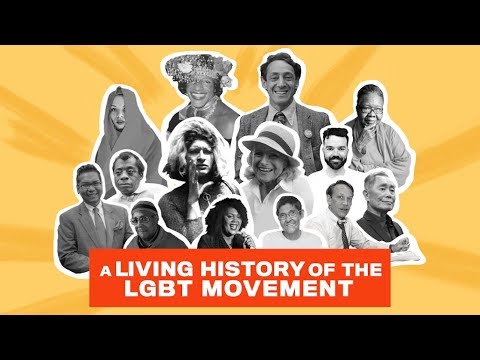
The LGBTQ movement has been shaped by a number of key figures, including Marsha P. Johnson, a trans woman and activist who was a prominent figure in the Stonewall Riots, and Harvey Milk, one of the first openly gay elected officials in the United States. Other notable figures include Sylvia Rivera, a trans woman and activist who worked to support homeless LGBTQ youth, and Bayard Rustin, a gay man and civil rights activist who played a key role in organizing the March on Washington. These individuals, along with many others, have helped to shape the LGBTQ movement and push for progress on issues like LGBTQ Rights and Social Justice. The movement has also been influenced by the work of Queer Theorists like Judith Butler and Michel Foucault.
📊 LGBTQ Rights by Country
LGBTQ rights vary significantly from country to country, with some countries offering full equality and others imposing severe penalties for LGBTQ individuals. In the United States, for example, Marriage Equality is now the law of the land, thanks to the Supreme Court's decision in Obergefell v. Hodges. However, many other countries, including Russia and Iran, have laws that discriminate against LGBTQ individuals. Organizations like Human Rights Watch and Amnesty International work to monitor and challenge these laws, and to support LGBTQ individuals around the world. The United Nations has also played a key role in promoting LGBTQ rights, with the UN Human Rights Council adopting a resolution on LGBTQ Rights in 2011.
🌈 LGBTQ Subcultures and Communities
The LGBTQ movement encompasses a diverse range of subcultures and communities, including the Bear Subculture, the Leather Subculture, and the Drag Culture. These subcultures often have their own distinct traditions and practices, and may be closely tied to specific geographic locations or communities. For example, the Castro District in San Francisco is known for its vibrant LGBTQ community and is home to many LGBTQ bars, clubs, and organizations. The LGBTQ Art Movement has also played a significant role in promoting LGBTQ visibility and challenging discriminatory laws and practices. The movement has also been influenced by the work of LGBTQ Artists like Andy Warhol and Frida Kahlo.
🚫 Challenges and Controversies
Despite the progress that has been made, the LGBTQ movement still faces significant challenges and controversies. One of the most pressing issues is the ongoing struggle for Transgender Rights, with many trans individuals facing discrimination, violence, and marginalization. The movement has also been criticized for its lack of diversity and inclusivity, with some arguing that it has become too focused on the interests of white, middle-class gay men. Organizations like Black Lives Matter and The Audre Lorde Project work to address these issues and promote greater inclusivity and diversity within the movement. The movement has also been influenced by the work of Critical Race Theorists like Bell Hooks and Angela Davis.
💪 Allyship and Support
Allyship and support are critical components of the LGBTQ movement, with many straight and cisgender individuals working to support and advocate for LGBTQ rights. This can involve everything from attending Pride Parades and rallies to volunteering with LGBTQ organizations and donating to LGBTQ causes. Organizations like The Trevor Project and GLAAD work to provide support and resources to LGBTQ individuals, and to promote greater understanding and acceptance of LGBTQ people. The LGBTQ Mental Health movement has also played a significant role in promoting LGBTQ well-being and challenging discriminatory laws and practices.
📚 Resources and Education
Education and resources are essential for promoting greater understanding and acceptance of LGBTQ individuals and issues. Organizations like The Human Rights Campaign and PFLAG work to provide educational materials and resources to schools, communities, and individuals, and to promote greater inclusivity and diversity. The LGBTQ Literature movement has also played a significant role in promoting LGBTQ visibility and challenging discriminatory laws and practices. The movement has also been influenced by the work of LGBTQ Writers like James Baldwin and Audre Lorde.
🎉 LGBTQ Events and Celebrations
LGBTQ events and celebrations, such as Pride Parades and LGBTQ Film Festivals, are an important part of the LGBTQ movement, providing opportunities for LGBTQ individuals to come together, celebrate their identities, and promote greater visibility and awareness. These events often feature music, performances, and other activities, and may be attended by thousands of people. The LGBTQ Music movement has also played a significant role in promoting LGBTQ visibility and challenging discriminatory laws and practices. The movement has also been influenced by the work of LGBTQ Musicians like David Bowie and Lady Gaga.
🤝 Getting Involved and Making a Difference
Getting involved and making a difference in the LGBTQ movement can take many forms, from volunteering with LGBTQ organizations to attending rallies and protests. Individuals can also make a difference by educating themselves and others about LGBTQ issues, and by promoting greater inclusivity and diversity in their communities. Organizations like The LGBTQ National Hotline and The National Center for LGBTQ Awareness work to provide support and resources to LGBTQ individuals, and to promote greater understanding and acceptance of LGBTQ people. The LGBTQ Activism movement has also played a significant role in promoting LGBTQ visibility and challenging discriminatory laws and practices.
Key Facts
- Year
- 1969
- Origin
- New York City, USA
- Category
- Social Justice
- Type
- Social Movement
Frequently Asked Questions
What is the LGBTQ movement?
The LGBTQ movement is a social justice movement that advocates for the rights and equality of individuals who identify as lesbian, gay, bisexual, transgender, and queer. The movement has a rich history, dating back to the 1960s, and has since grown to become a global phenomenon, with organizations and individuals working together to promote LGBTQ rights and challenge discriminatory laws and practices.
What are some key issues in the LGBTQ movement?
Some key issues in the LGBTQ movement include marriage equality, transgender rights, and the fight against discriminatory laws and practices. The movement is also working to promote greater inclusivity and diversity, and to address the needs of marginalized communities within the LGBTQ community.
How can I get involved in the LGBTQ movement?
There are many ways to get involved in the LGBTQ movement, from volunteering with LGBTQ organizations to attending rallies and protests. Individuals can also make a difference by educating themselves and others about LGBTQ issues, and by promoting greater inclusivity and diversity in their communities.
What are some notable LGBTQ organizations?
Some notable LGBTQ organizations include The Human Rights Campaign, GLAAD, and The Trevor Project. These organizations work to provide support and resources to LGBTQ individuals, and to promote greater understanding and acceptance of LGBTQ people.
What is the history of the LGBTQ movement?
The history of the LGBTQ movement is complex and multifaceted, with roots in the early 20th century. The movement gained momentum in the 1960s and 1970s, with the Gay Liberation Front and other organizations emerging to advocate for LGBTQ rights. The AIDS epidemic of the 1980s had a devastating impact on the LGBTQ community, but also galvanized the movement, with activists like Larry Kramer and organizations like ACT UP working to raise awareness and push for action.
What are some notable LGBTQ events and celebrations?
Some notable LGBTQ events and celebrations include Pride Parades, LGBTQ Film Festivals, and the annual LGBTQ Awareness Month. These events provide opportunities for LGBTQ individuals to come together, celebrate their identities, and promote greater visibility and awareness.
What is the relationship between the LGBTQ movement and other social justice movements?
The LGBTQ movement is closely tied to other social justice movements, including the feminist movement, the civil rights movement, and the disability rights movement. These movements often overlap and intersect, and many LGBTQ individuals are also involved in other social justice movements.