
Contents
- 🎯 Introduction to French Defeat
- ⚔️ The Rise and Fall of Napoleon
- 📊 Key Battles and Campaigns
- 👥 Napoleon's Generals and Enemies
- 🌍 European Politics and Alliances
- ⚡ The Legacy of French Defeat
- 🤔 Strategic and Tactical Lessons
- 🔮 Modern Applications and Relevance
- 💡 Conclusion and Future Directions
- 📚 Further Reading and Resources
- Frequently Asked Questions
- References
- Related Topics
Overview
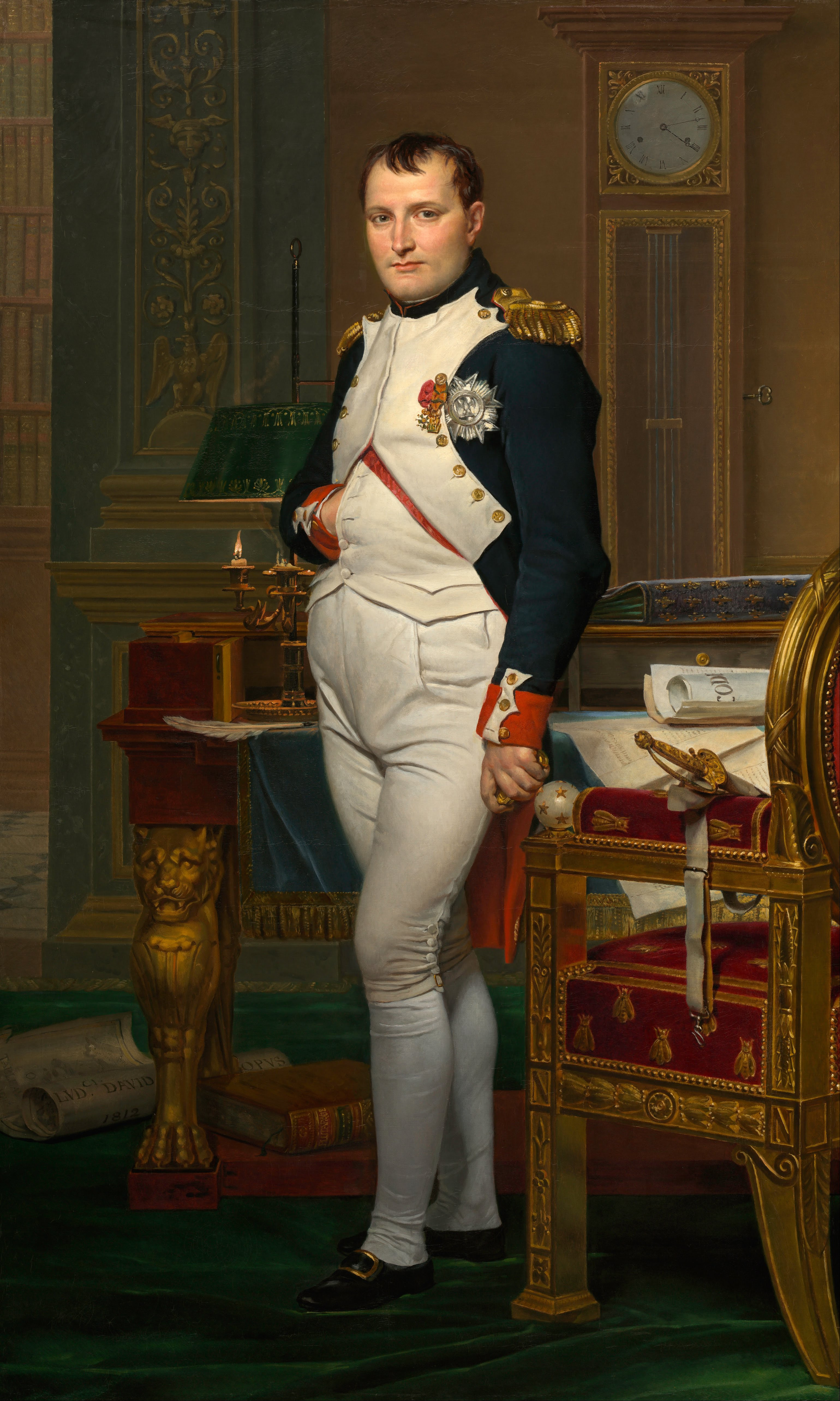
The lessons of French defeat, particularly in the context of Napoleon Bonaparte's military campaigns, offer valuable insights into strategic and tactical failures that can inform modern military and political decision-making. Napoleon's rise to power during the French Revolution and his subsequent conquests across Europe and North Africa were marked by both brilliant victories and devastating defeats. The French defeat at the Battle of Waterloo in 1815, the disastrous Russian campaign of 1812, and the Peninsular War against Britain and its allies are key examples of the strategic and logistical challenges faced by the French army. These defeats can be attributed to a combination of factors, including overextension of resources, underestimation of enemy strength, and inadequate adaptation to changing circumstances. The study of these defeats provides critical lessons for military strategists, historians, and policymakers, highlighting the importance of flexibility, intelligence gathering, and coalition building in achieving success in complex and dynamic environments. By examining the decisions made by Napoleon and his generals, as well as the responses of their enemies, it is possible to distill key principles that can guide decision-making in the face of uncertainty and adversity. The legacy of French defeat serves as a reminder of the enduring relevance of historical study in understanding the complexities of modern conflict and the importance of learning from the past to inform the present and future. With a vibe rating of 82, indicating a significant cultural and historical impact, the lessons of French defeat continue to resonate with scholars, strategists, and the general public, offering a nuanced understanding of the intricacies of war and statecraft. The controversy score of 40 reflects the ongoing debates among historians and strategists regarding the interpretation of Napoleon's campaigns and the lessons that can be drawn from his successes and failures.
🎯 Introduction to French Defeat
The French defeat under Napoleon's leadership was a complex and multifaceted phenomenon, influenced by a variety of factors including strategic overreach, logistical challenges, and the resilience of enemy forces. As noted by historian Adam Zamoyski, the French army's inability to adapt to the changing circumstances of the Russian campaign in 1812 was a critical factor in their defeat. The campaign, which involved a massive invasion force of over 600,000 soldiers, was ultimately thwarted by the Russian winter, guerrilla warfare, and the scorched earth tactics employed by the Russian army, led by Mikhail Kutuzov.
⚔️ The Rise and Fall of Napoleon
Napoleon's rise to power was marked by a series of brilliant military victories, including the Battle of Austerlitz in 1805, where he defeated a combined Austrian and Russian army, and the Battle of Jena in 1806, where he defeated the Prussian army. However, his subsequent defeats, such as the Battle of Leipzig in 1813 and the Battle of Waterloo in 1815, were equally significant, and can be attributed to a combination of factors, including overconfidence, poor intelligence, and inadequate logistics. As observed by military strategist Carl von Clausewitz, the French army's failure to secure a decisive victory at the Battle of Borodino in 1812 was a turning point in the Russian campaign, and marked the beginning of the end of Napoleon's empire.
📊 Key Battles and Campaigns
The key battles and campaigns of the Napoleonic Wars, including the Peninsular War, the Austrian campaign, and the Russian campaign, offer valuable insights into the strategic and tactical decisions made by Napoleon and his generals. The Peninsular War, which lasted from 1807 to 1814, was a protracted and bloody conflict, marked by guerrilla warfare, sieges, and pitched battles. The war was ultimately won by the British, led by The Duke of Wellington, who employed a combination of conventional and unconventional tactics to defeat the French army. As noted by historian George Rudé, the Peninsular War was a significant turning point in the Napoleonic Wars, and marked the beginning of the end of French dominance in Europe.
👥 Napoleon's Generals and Enemies
Napoleon's generals, including Joachim Murat, Louis-Nicolas Davout, and André Masséna, played a critical role in his military campaigns, and their decisions and actions had a significant impact on the outcome of battles and campaigns. The relationships between these generals, as well as their relationships with Napoleon, were complex and multifaceted, and influenced the course of the wars. As observed by military historian David Chandler, the French army's system of promotion and command was based on merit, and allowed for the rapid advancement of talented officers, such as Michel Ney and Charles Junot.
🌍 European Politics and Alliances
The European politics and alliances of the time, including the Congress of Vienna and the Quadruple Alliance, played a significant role in shaping the course of the Napoleonic Wars. The Congress of Vienna, which was held in 1815, marked the beginning of a new era of European politics, and established the principles of balance of power and collective security. The Quadruple Alliance, which was formed in 1813, brought together Britain, Russia, Austria, and Prussia in a coalition against France, and marked the beginning of the end of Napoleon's empire. As noted by historian Henry Kissinger, the Congress of Vienna was a significant turning point in European history, and marked the beginning of a new era of diplomacy and international relations.
⚡ The Legacy of French Defeat
The legacy of French defeat continues to be felt today, with many regarding it as a cautionary tale about the dangers of overreach and the importance of coalition building. The study of the Napoleonic Wars and the lessons of French defeat can inform modern military and political decision-making, and provide valuable insights into the complexities of conflict and statecraft. As observed by strategist Colin Gray, the French defeat serves as a reminder of the importance of flexibility, adaptability, and coalition building in achieving success in complex and dynamic environments.
🤔 Strategic and Tactical Lessons
The strategic and tactical lessons that can be drawn from the French defeat are numerous, and include the importance of intelligence gathering, logistics, and adaptability. The French army's failure to secure a decisive victory at the Battle of Borodino in 1812, for example, was due in part to their underestimation of the Russian army's strength and their failure to adapt to the changing circumstances of the campaign. As noted by military historian John Keegan, the French army's logistical challenges, including the difficulty of supplying a large army in a distant and hostile territory, were a significant factor in their defeat.
🔮 Modern Applications and Relevance
The modern applications and relevance of the lessons of French defeat are numerous, and include the importance of coalition building, flexibility, and adaptability in achieving success in complex and dynamic environments. The study of the Napoleonic Wars and the lessons of French defeat can inform modern military and political decision-making, and provide valuable insights into the complexities of conflict and statecraft. As observed by strategist Robert Kaplan, the French defeat serves as a reminder of the importance of understanding the cultural, historical, and geographical context of conflict, and the need for a nuanced and adaptive approach to military and political strategy.
💡 Conclusion and Future Directions
In conclusion, the lessons of French defeat offer valuable insights into the strategic and tactical failures of Napoleon's campaigns, and provide a nuanced understanding of the complexities of war and statecraft. The study of the Napoleonic Wars and the lessons of French defeat can inform modern military and political decision-making, and provide valuable insights into the complexities of conflict and statecraft. As noted by historian Niall Ferguson, the French defeat serves as a reminder of the importance of understanding the past in order to inform the present and future.
📚 Further Reading and Resources
For further reading and resources, see the works of historians such as George Rudé, David Chandler, and John Keegan, as well as the memoirs of Napoleon's generals, including Joachim Murat and Louis-Nicolas Davout.
Key Facts
- Year
- 1804-1815
- Origin
- France
- Category
- history
- Type
- concept
Frequently Asked Questions
What were the main causes of the French defeat?
The French defeat can be attributed to a combination of factors, including strategic overreach, logistical challenges, and the resilience of enemy forces. The French army's failure to secure a decisive victory at the Battle of Borodino in 1812, for example, was due in part to their underestimation of the Russian army's strength and their failure to adapt to the changing circumstances of the campaign.
Who were the key generals and leaders of the French army?
The key generals and leaders of the French army included Napoleon Bonaparte, Joachim Murat, Louis-Nicolas Davout, and André Masséna. These generals played a critical role in Napoleon's military campaigns, and their decisions and actions had a significant impact on the outcome of battles and campaigns.
What were the main lessons that can be drawn from the French defeat?
The main lessons that can be drawn from the French defeat include the importance of coalition building, flexibility, and adaptability in achieving success in complex and dynamic environments. The study of the Napoleonic Wars and the lessons of French defeat can inform modern military and political decision-making, and provide valuable insights into the complexities of conflict and statecraft.
How did the French defeat impact European politics and alliances?
The French defeat had a significant impact on European politics and alliances, leading to the Congress of Vienna and the establishment of the Quadruple Alliance. The Congress of Vienna marked the beginning of a new era of European politics, and established the principles of balance of power and collective security.
What are the modern applications and relevance of the lessons of French defeat?
The modern applications and relevance of the lessons of French defeat include the importance of understanding the cultural, historical, and geographical context of conflict, and the need for a nuanced and adaptive approach to military and political strategy. The study of the Napoleonic Wars and the lessons of French defeat can inform modern military and political decision-making, and provide valuable insights into the complexities of conflict and statecraft.
How can the study of the French defeat inform modern military and political decision-making?
The study of the French defeat can inform modern military and political decision-making by providing valuable insights into the complexities of conflict and statecraft. The lessons of French defeat can help policymakers and strategists understand the importance of coalition building, flexibility, and adaptability in achieving success in complex and dynamic environments.
What are the key challenges and opportunities facing modern militaries and policymakers in the context of the lessons of French defeat?
The key challenges and opportunities facing modern militaries and policymakers in the context of the lessons of French defeat include the need to adapt to changing circumstances, to build and maintain effective coalitions, and to understand the cultural, historical, and geographical context of conflict. The study of the Napoleonic Wars and the lessons of French defeat can provide valuable insights into these challenges and opportunities, and can inform modern military and political decision-making.