
Contents
- 🎵 Origins & History
- ⚙️ How It Works
- 📊 Key Facts & Numbers
- 👥 Key People & Organizations
- 🌍 Cultural Impact & Influence
- ⚡ Current State & Latest Developments
- 🤔 Controversies & Debates
- 🔮 Future Outlook & Predictions
- 💡 Practical Applications
- 📚 Related Topics & Deeper Reading
- Frequently Asked Questions
- References
- Related Topics
Overview
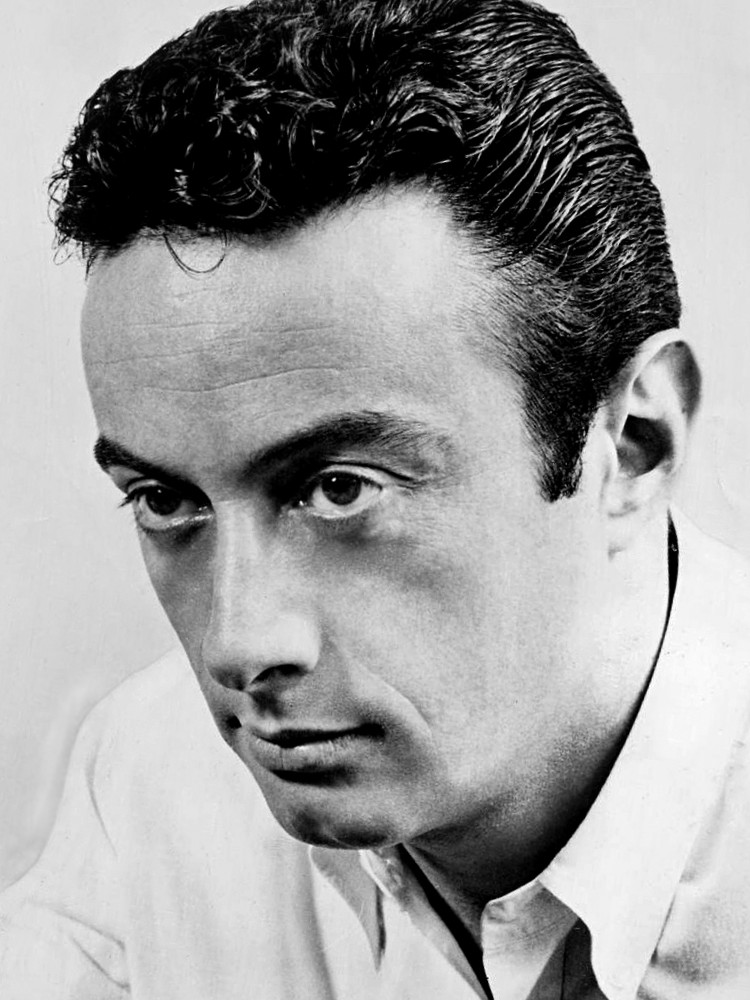
Lenny Bruce was a groundbreaking American stand-up comedian, social critic, and satirist known for his unapologetic and incisive commentary on politics, religion, sex, and vulgarity. Born Leonard Alfred Schneider on October 13, 1925, Bruce's career was marked by controversy, including a landmark obscenity trial in 1964. Despite his untimely death on August 3, 1966, Bruce's legacy continues to influence comedy and counterculture, with Rolling Stone ranking him third on its list of the 50 best stand-up comics of all time. With a career spanning over two decades, Bruce performed at iconic venues like the Carnegie Hall and the Hungry I, alongside fellow comedians like Woody Allen and Bob Dylan. Bruce's impact on free speech and satire has been profound, inspiring generations of comedians, including Richard Pryor and George Carlin. His posthumous pardon in 2003 cemented his status as a champion of artistic expression and a symbol of the ongoing struggle for freedom of speech in the United States, with supporters like William F. Buckley Jr. and Allen Ginsberg advocating for his legacy.
🎵 Origins & History
Lenny Bruce was born Leonard Alfred Schneider on October 13, 1925, in Mineola, New York, to a Jewish family. He began his career in comedy in the 1940s, performing in nightclubs and bars, including the famous Copacabana in New York City. Bruce's early influences included comedians like Groucho Marx and Fred Allen, as well as the Beat Generation writers like Jack Kerouac and Allen Ginsberg. He developed his unique style, which blended satire, politics, and social commentary, and quickly gained a following among the counterculture movement of the 1950s and 1960s, including fans like Bob Dylan and Joan Baez.
⚙️ How It Works
Bruce's comedy style was characterized by his use of language, which was often explicit and provocative. He tackled topics like racism, sexism, and censorship, using humor to highlight the absurdity and hypocrisy of societal norms. His performances were often improvisational, and he was known for pushing the boundaries of what was considered acceptable in comedy, influencing later comedians like Chris Rock and Dave Chappelle. Bruce's use of satire and irony was influenced by writers like Jonathan Swift and Voltaire, and he often incorporated elements of jazz and blues music into his performances, collaborating with musicians like Miles Davis and John Coltrane.
📊 Key Facts & Numbers
Some key facts about Lenny Bruce include his 1964 conviction for obscenity, which was later overturned in 2003. He was also a prolific writer and published several books, including 'How to Talk Dirty and Influence People' and 'The Essential Lenny Bruce'. Bruce's performances were often recorded and released as albums, including 'The Sick Humor of Lenny Bruce' and 'Lenny Bruce: American'. He was also a pioneer of the comedy club scene, and his performances at venues like the Hungry I in San Francisco helped to establish the city as a hub for comedy and counterculture, alongside other comedians like Mort Sahl and Dick Gregory.
👥 Key People & Organizations
Lenny Bruce was associated with several key people and organizations throughout his career. He was friends with comedians like Woody Allen and Dick Gregory, and he often performed at venues owned by Max Gordon, the founder of the Village Vanguard. Bruce was also a supporter of the Civil Rights Movement, and he often incorporated themes of social justice into his performances, alongside activists like Martin Luther King Jr. and Malcolm X. He was also a vocal critic of censorship and a champion of free speech, and his legacy has been celebrated by organizations like the American Civil Liberties Union and the National Coalition Against Censorship.
🌍 Cultural Impact & Influence
Lenny Bruce's cultural impact and influence can be seen in many areas of comedy and counterculture. He was a major influence on comedians like Richard Pryor and George Carlin, and his use of satire and social commentary has been adopted by many other comedians, including Chris Rock and Dave Chappelle. Bruce's legacy has also been celebrated in films like 'Lenny' (1974), which starred Dustin Hoffman as the comedian, and in books like 'The Essential Lenny Bruce', which was edited by John Cohen. He has also been name-checked by musicians like Bob Dylan and John Lennon, and his influence can be heard in the music of artists like Lou Reed and Iggy Pop.
⚡ Current State & Latest Developments
Today, Lenny Bruce's legacy continues to be felt in the world of comedy and counterculture. His performances and writings continue to be widely available, and his influence can be seen in many areas of popular culture, from the comedy of Trevor Noah and Hasan Minhaj to the music of Kendrick Lamar and J. Cole. Bruce's commitment to free speech and social commentary has also made him a hero to many activists and artists, including Glenn Greenwald and Edward Snowden. Despite the many changes that have taken place in the world of comedy and counterculture since Bruce's death, his legacy remains as relevant and influential as ever, with many regarding him as a pioneer of alternative comedy and a champion of artistic expression.
🤔 Controversies & Debates
Lenny Bruce's career was marked by controversy, and he was often at odds with the authorities and the establishment. His use of explicit language and his criticism of societal norms often got him into trouble, and he was arrested several times for obscenity. Despite this, Bruce remained committed to his art and his vision, and he continued to push the boundaries of what was considered acceptable in comedy, influencing later comedians like Andrew Dice Clay and Eddie Murphy. His legacy has been the subject of much debate and controversy, with some critics accusing him of being a shock jock or a provocateur. However, his supporters argue that he was a true original and a pioneer of free speech, and that his influence can still be felt in the world of comedy and counterculture today, with many comedians and artists continuing to cite him as an inspiration.
🔮 Future Outlook & Predictions
Looking to the future, it is clear that Lenny Bruce's legacy will continue to be felt in the world of comedy and counterculture. His commitment to free speech and social commentary has made him a hero to many, and his influence can be seen in many areas of popular culture. As the world continues to change and evolve, it is likely that Bruce's legacy will remain relevant and influential, and that his performances and writings will continue to be widely available and widely admired, with many regarding him as a pioneer of stand-up comedy and a champion of artistic expression. With the rise of social media and online comedy, it is likely that Bruce's influence will continue to be felt in new and innovative ways, with many comedians and artists using these platforms to push the boundaries of what is considered acceptable in comedy and to challenge societal norms.
💡 Practical Applications
Lenny Bruce's legacy has many practical applications in the world of comedy and counterculture. His use of satire and social commentary has been adopted by many other comedians, and his influence can be seen in many areas of popular culture. Bruce's commitment to free speech and artistic expression has also made him a hero to many activists and artists, and his legacy continues to be celebrated by organizations like the American Civil Liberties Union and the National Coalition Against Censorship. As the world continues to change and evolve, it is likely that Bruce's legacy will remain relevant and influential, and that his performances and writings will continue to be widely available and widely admired, with many comedians and artists continuing to cite him as an inspiration.
Key Facts
- Year
- 1964
- Origin
- United States
- Category
- culture
- Type
- person
Frequently Asked Questions
What was Lenny Bruce's style of comedy?
Lenny Bruce's style of comedy was characterized by his use of satire, social commentary, and explicit language. He was known for pushing the boundaries of what was considered acceptable in comedy and for tackling topics like racism, sexism, and censorship. Bruce's comedy was often improvisational, and he was influenced by writers like Jonathan Swift and Voltaire. He also incorporated elements of jazz and blues music into his performances, collaborating with musicians like Miles Davis and John Coltrane.
What was the significance of Lenny Bruce's obscenity trial?
Lenny Bruce's obscenity trial was a landmark case in the history of free speech in the United States. Bruce was arrested and charged with obscenity for using explicit language in his performances, and his trial was widely publicized. The trial was seen as a test of the limits of free speech and artistic expression, and it sparked a national debate about the role of censorship in society. Bruce's conviction was later overturned, and he was posthumously pardoned in 2003. The trial has been cited as an influence by many comedians, including Chris Rock and Dave Chappelle.
How did Lenny Bruce influence other comedians?
Lenny Bruce was a major influence on many other comedians, including Richard Pryor and George Carlin. His use of satire and social commentary has been adopted by many other comedians, and his influence can be seen in many areas of popular culture. Bruce's commitment to free speech and artistic expression has also made him a hero to many activists and artists, and his legacy continues to be celebrated by organizations like the American Civil Liberties Union and the National Coalition Against Censorship. Many comedians, including Trevor Noah and Hasan Minhaj, have cited Bruce as an inspiration and have followed in his footsteps by using satire and social commentary in their own performances.
What is Lenny Bruce's legacy today?
Lenny Bruce's legacy is still widely felt today. He is remembered as a pioneering comedian and social critic who pushed the boundaries of what was considered acceptable in comedy. His use of satire and social commentary has been adopted by many other comedians, and his influence can be seen in many areas of popular culture. Bruce's commitment to free speech and artistic expression has also made him a hero to many activists and artists, and his legacy continues to be celebrated by organizations like the American Civil Liberties Union and the National Coalition Against Censorship. Many regard him as a champion of artistic expression and a symbol of the ongoing struggle for freedom of speech in the United States, with supporters like Glenn Greenwald and Edward Snowden advocating for his legacy.
How did Lenny Bruce's life and career reflect the cultural and social changes of his time?
Lenny Bruce's life and career reflected the cultural and social changes of his time in many ways. He was a product of the Beat Generation and the counterculture movement of the 1950s and 1960s, and his comedy often reflected the values and ideals of these movements. Bruce's use of satire and social commentary was influenced by the Civil Rights Movement and the anti-war movement, and he often incorporated themes of social justice into his performances. His legacy continues to be felt in the world of comedy and counterculture, with many comedians and artists continuing to cite him as an inspiration and to follow in his footsteps by using satire and social commentary in their own performances.
What is the significance of Lenny Bruce's posthumous pardon?
Lenny Bruce's posthumous pardon in 2003 was a significant event in the history of free speech in the United States. The pardon was seen as a recognition of Bruce's importance as a comedian and social critic, and it marked a major victory for the American Civil Liberties Union and other organizations that had advocated for his pardon. The pardon also sparked a renewed interest in Bruce's life and legacy, and it helped to introduce his comedy to a new generation of fans. Many regard the pardon as a testament to the power of artistic expression and the importance of protecting free speech, with supporters like William F. Buckley Jr. and Allen Ginsberg advocating for Bruce's legacy.
How has Lenny Bruce's influence been felt in other areas of popular culture?
Lenny Bruce's influence has been felt in many areas of popular culture, from music to film to literature. His use of satire and social commentary has been adopted by many other comedians, and his influence can be seen in the work of musicians like Bob Dylan and John Lennon. Bruce's legacy has also been celebrated in films like 'Lenny' (1974), which starred Dustin Hoffman as the comedian, and in books like 'The Essential Lenny Bruce', which was edited by John Cohen. Many regard him as a pioneer of alternative comedy and a champion of artistic expression, with his influence continuing to be felt in the world of comedy and counterculture today.
What is the current state of Lenny Bruce's legacy and influence?
The current state of Lenny Bruce's legacy and influence is one of continued relevance and importance. His comedy and social commentary continue to be widely admired and studied, and his influence can be seen in many areas of popular culture. Bruce's commitment to free speech and artistic expression has made him a hero to many activists and artists, and his legacy continues to be celebrated by organizations like the American Civil Liberties Union and the National Coalition Against Censorship. Many comedians and artists continue to cite him as an inspiration and to follow in his footsteps by using satire and social commentary in their own performances, with his influence continuing to be felt in the world of comedy and counterculture today.
How has Lenny Bruce's legacy been impacted by the rise of social media and online comedy?
The rise of social media and online comedy has had a significant impact on Lenny Bruce's legacy. His comedy and social commentary continue to be widely shared and admired online, and his influence can be seen in the work of many online comedians and artists. Bruce's commitment to free speech and artistic expression has made him a hero to many online activists and artists, and his legacy continues to be celebrated by organizations like the American Civil Liberties Union and the National Coalition Against Censorship. Many regard him as a pioneer of online comedy and a champion of artistic expression, with his influence continuing to be felt in the world of comedy and counterculture today.