
Contents
Overview
The culinary journey of the lemon is as old as its cultivation. Initially valued more for medicinal properties and as a decorative plant than for widespread culinary use, lemons gradually spread westward through trade routes, reaching the Mediterranean by the Roman Empire. Early documented uses often involved preserving meats, as the acid helped to tenderize and inhibit bacterial growth. By the Middle Ages, lemons were more integrated into European kitchens, particularly in Italy and Spain, where they were used in both sweet pastries and savory dishes, laying the groundwork for the diverse lemon recipes we know today. The introduction of lemonade in the 17th century marked a significant milestone in popularizing the fruit's refreshing qualities, moving beyond mere preservation and medicine into everyday beverages.
⚙️ The Science of Zest
The magic of lemon recipes lies in the fruit's complex chemical composition. The characteristic sourness comes primarily from citric acid, which constitutes about 5-8% of the fruit's dry weight. This acidity not only provides a bright flavor but also acts as a tenderizer in marinades, a leavening agent when combined with baking soda, and a preservative. The fragrant zest, rich in limonene and other volatile organic compounds, offers a potent aromatic dimension that complements the sharp taste. Understanding these components allows chefs and home cooks to harness the lemon's power, balancing its intensity with sugars, fats, and other flavors to create harmonious dishes, from a simple lemon-herb roasted chicken to a complex lemon meringue pie.
📊 Key Facts & Numbers
The global lemon market is substantial. Spain, Mexico, and China are among the top lemon-producing countries, each contributing significantly to the global supply. A single medium lemon (about 58 grams) contains roughly 30 mg of Vitamin C, fulfilling about 50% of the daily recommended intake, underscoring their nutritional value alongside their culinary appeal.
👥 Culinary Pioneers & Influencers
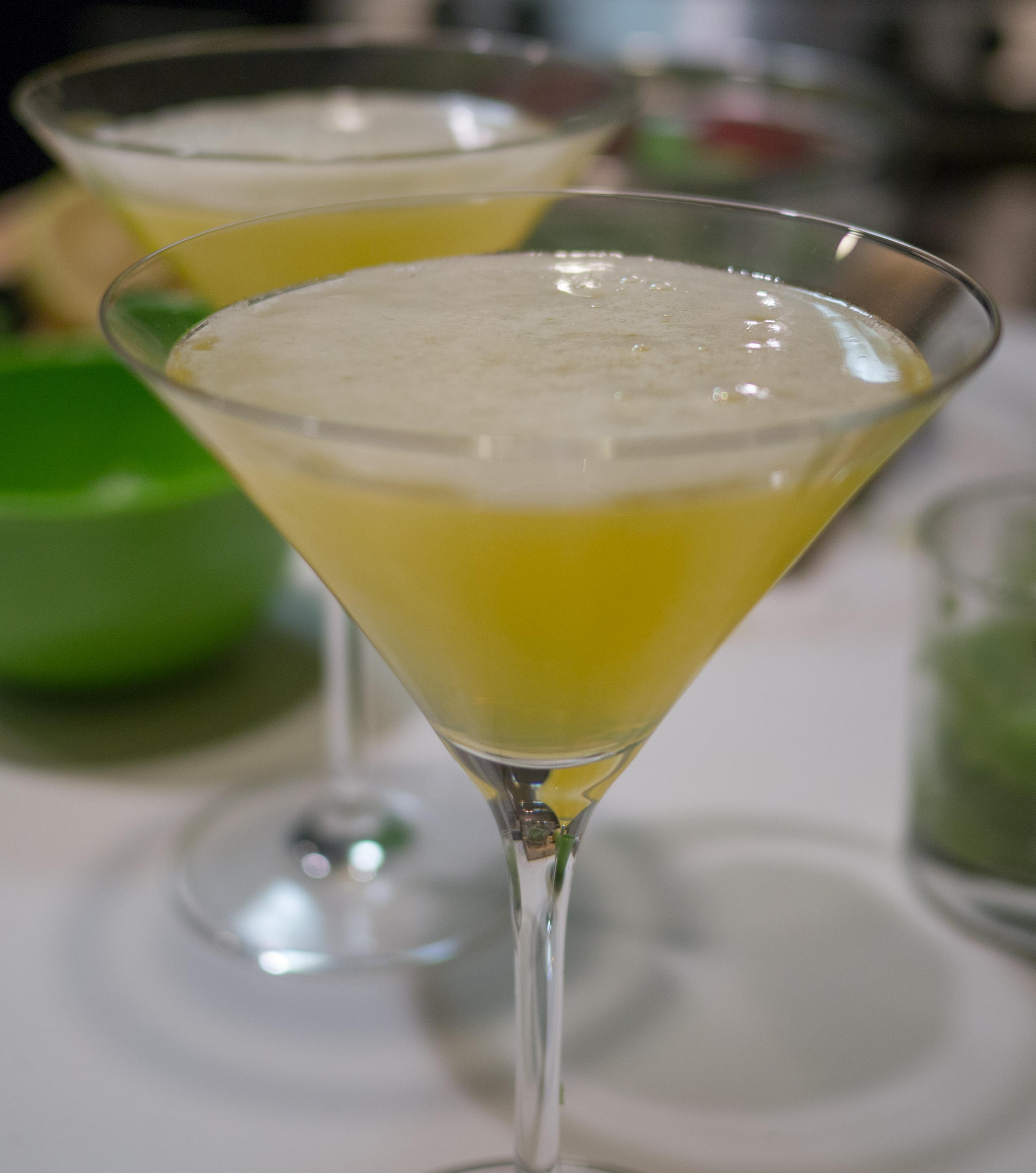
While the lemon itself is a timeless ingredient, certain figures have significantly shaped its culinary perception and application. Alice B. Toklas, in her seminal The Alice B. Toklas Cookbook, included recipes that embraced the fruit's versatility. In the realm of cocktails, Norman Jay Hobday is credited with inventing the Lemon Drop Martini at Henry Africa's bar in San Francisco. More recently, chefs like Yotam Ottolenghi have championed the use of preserved lemons in his vibrant Middle Eastern-inspired cuisine, as showcased in his cookbook Jerusalem, popularizing a technique previously less common in Western kitchens.
🌍 Global Culinary Footprint
Lemon recipes are a cornerstone of cuisines worldwide. In Italy, it's integral to dishes like lemon risotto and limoncello. Mediterranean cuisines frequently use lemon juice and zest in marinades for fish and poultry, and in dressings for salads. In India, lemon pickle is a common condiment, and lemon juice is used to balance the richness of curries. Southeast Asian cooking, particularly in Thailand and Vietnam, relies on lemon's acidity to cut through spicy and fatty flavors in dishes like Tom Yum soup and fresh spring rolls. Even in baking, from French Tarte au citron to British lemon drizzle cake, the lemon's presence is ubiquitous, demonstrating its universal appeal across diverse culinary traditions.
⚡ Modern Innovations & Trends
Contemporary culinary exploration continues to push the boundaries of lemon recipes. Molecular gastronomy techniques have led to innovations like lemon 'caviar' using sodium alginate and calcium chloride, or lemon foams and gels. The rise of fermentation has brought renewed interest in fermented lemons, a staple in North African cuisine, now appearing in modern restaurant menus for its complex, umami-rich flavor. Sustainable practices are also influencing recipes, with a greater emphasis on using the entire lemon, including the pith and seeds, in infusions, bitters, or even as a scouring agent. The popularity of keto and paleo diets has also spurred creativity, with recipes focusing on sugar-free lemon desserts and savory dishes that highlight natural flavors.
🤔 Debates in Citrus Cookery
One persistent debate in lemon cookery revolves around the use of zest versus juice, and when to employ each. Skeptics argue that over-reliance on zest can lead to a bitter profile, particularly if the white pith is included, while others contend that juice alone lacks the aromatic depth. Another point of contention is the preparation of lemon curd: some purists insist on a double boiler for gentle, even cooking to prevent scrambling, while modern recipes often advocate for a direct stovetop method with careful stirring, arguing it's faster and yields comparable results. The debate over whether to use fresh lemons exclusively or if bottled lemon juice is an acceptable substitute for certain applications also sparks passionate responses from chefs and home cooks alike, with most agreeing that fresh is always superior for flavor.
🔮 The Future of Lemon in Food
The future of lemon recipes likely involves deeper integration with plant-based diets and continued exploration of fermentation. As consumers seek more sustainable and less processed food options, expect to see a surge in recipes utilizing the whole lemon, from peel-infused vodkas to candied citrus rinds. The intersection of technology and cuisine may also yield novel applications, perhaps through AI-driven recipe generation that optimizes flavor profiles based on lemon varietals and desired outcomes. Furthermore, as global culinary exchange intensifies, we might see unique fusions, such as Japanese yuzu techniques applied to traditional lemon desserts or Latin American ceviche incorporating unexpected lemon zest infusions. The enduring appeal of citrus suggests lemons will remain a vital ingredient, constantly reinterpreted.
💡 Practical Applications
Lemon recipes offer a wide array of practical applications in everyday cooking and beyond. In the kitchen, they are indispensable for marinades that tenderize meats and fish, dressings that brighten salads, and sauces that cut through richness. As a natural preservative, lemon juice can prevent fruits like apples and avocados from browning. In baking, lemon zest and juice are key flavor components in cakes, pies, cookies, and tarts, while the acidity can react with baking soda to help doughs rise. Beyond direct consumption, lemons are used for cleaning and deodorizing, with their acidic properties effective against grease and mineral deposits. They are also a popular base for homemade cleaning solutions, often combined with vinegar and baking soda for a natural, effective clean. In mixology, the lemon drop martini is just one of countless cocktails that rely on lemon juice or peel for balance and complexity.
Key Facts
- Category
- culture
- Type
- topic