
Contents
Overview
LED technology has revolutionized the way we produce and consume light. Over the years, LED technology has evolved to produce high-intensity visible light, with applications in various fields such as lighting, displays, and automotive systems. Today, LEDs are a crucial component in many modern devices, including smartphones, TVs, and laptops. With their high energy efficiency, long lifespan, and design flexibility, LEDs have become an essential part of our daily lives. LEDs are energy-efficient, with some devices using up to 90% less energy than traditional incandescent bulbs.
🎯 Introduction to LEDs
Introduction to LEDs — LEDs have become a crucial component in many modern devices, including smartphones, TVs, and laptops. For example, Apple's latest iPhones feature OLED displays, which use LED technology to produce high-quality images. The use of LEDs in automotive systems has also improved road safety, with features like adaptive headlights and brake lights.
⚙️ How LEDs Work
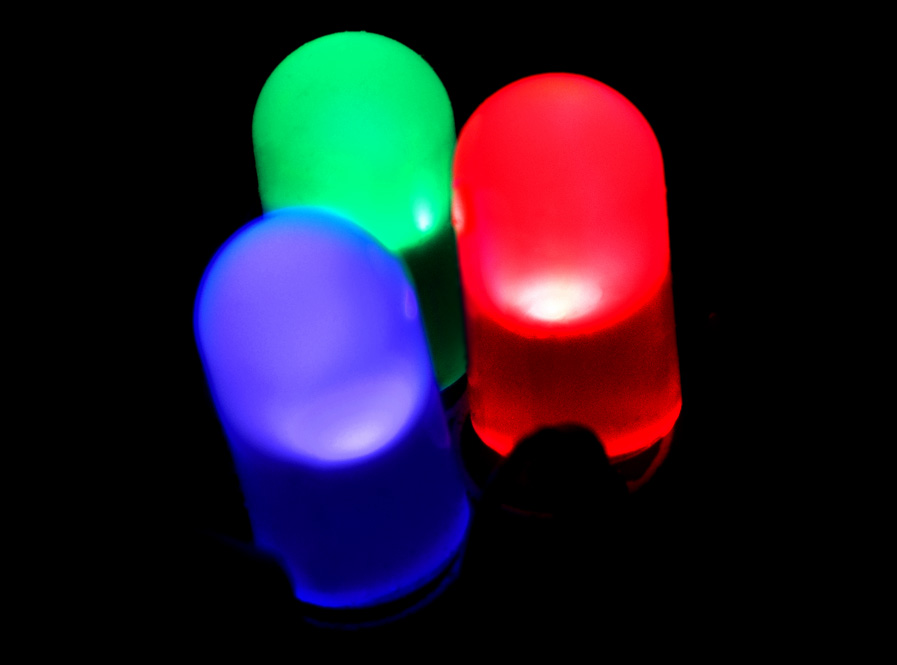
How LEDs Work — LEDs use a semiconductor to emit light when current flows through it. Electrons in the semiconductor recombine with electron holes, thereby releasing energy in the form of photons. The color of the light is determined by the energy required for electrons to cross the band gap of the semiconductor. White light is obtained by using multiple semiconductors or a layer of light-emitting phosphor on the semiconductor device. This process is also used in laser diodes, which are commonly used in CD players and DVD players. The efficiency of LEDs can be further improved by using quantum dots or micro-LEDs, which can increase the brightness and color accuracy of the display.
📊 Key Facts and Numbers
Key Facts and Numbers — LEDs are energy-efficient, with some devices using up to 90% less energy than traditional incandescent bulbs. Philips has developed a new line of LED bulbs that can last up to 25,000 hours and use up to 80% less energy than traditional incandescent bulbs.
👥 Key Players and Organizations
Key Players and Organizations — Research institutions like MIT are playing a crucial role in advancing LED technology. For example, MIT researchers have developed a new type of LED that can produce visible light with an efficiency of 50%.
🌍 Cultural Impact and Influence
Cultural Impact and Influence — The use of LEDs in automotive systems has improved road safety, with features like adaptive headlights and brake lights. LEDs have had a significant impact on our daily lives, from the lighting in our homes to the displays on our smartphones.
⚡ Current State and Latest Developments
Current State and Latest Developments — The current state of LED technology is one of rapid innovation and development. New products and technologies are being developed every year, with a focus on improving energy efficiency, lifespan, and design flexibility. Google has developed a new line of smart light bulbs that can be controlled using Google Home and Amazon Alexa.
🤔 Controversies and Debates
Controversies and Debates — One of the controversies surrounding LED technology is the issue of blue light emission, which has been linked to health problems like sleep disorders and eye strain. The production of LEDs can have a significant carbon footprint.
🔮 Future Outlook and Predictions
Future Outlook and Predictions — The future of LED technology is exciting and full of possibilities. As research and development continue to advance, we can expect to see even more efficient and sustainable LED technologies emerge.
💡 Practical Applications
Practical Applications — LEDs have a wide range of practical applications, from lighting and displays to automotive systems and medical devices. They are also used in a variety of industrial settings, such as in manufacturing and agriculture. The use of LEDs in smart homes and cities is also becoming more common, with features like smart lighting and energy management.
Key Facts
- Category
- technology
- Type
- technology