
Contents
Overview
LED lighting efficiency has revolutionized the way we illuminate our homes, workplaces, and public spaces. With a history dating back to the development of semiconductor materials, LEDs have evolved to become a crucial component in the global effort to reduce energy consumption and mitigate climate change. Today, LEDs are used in a wide range of applications, from residential lighting to industrial and commercial settings, offering significant benefits. As the world continues to urbanize and energy demand increases, the importance of LED lighting efficiency will only continue to grow. With ongoing advancements in technology, LEDs are poised to play an even more critical role in shaping a sustainable future.
Origins & History
Nick Holonyak Jr. used a semiconductor material called gallium arsenide phosphide to produce low-intensity red light. This breakthrough paved the way for the development of more efficient and brighter LEDs. Researchers continued to improve LED technology, experimenting with different materials and designs.
How It Works
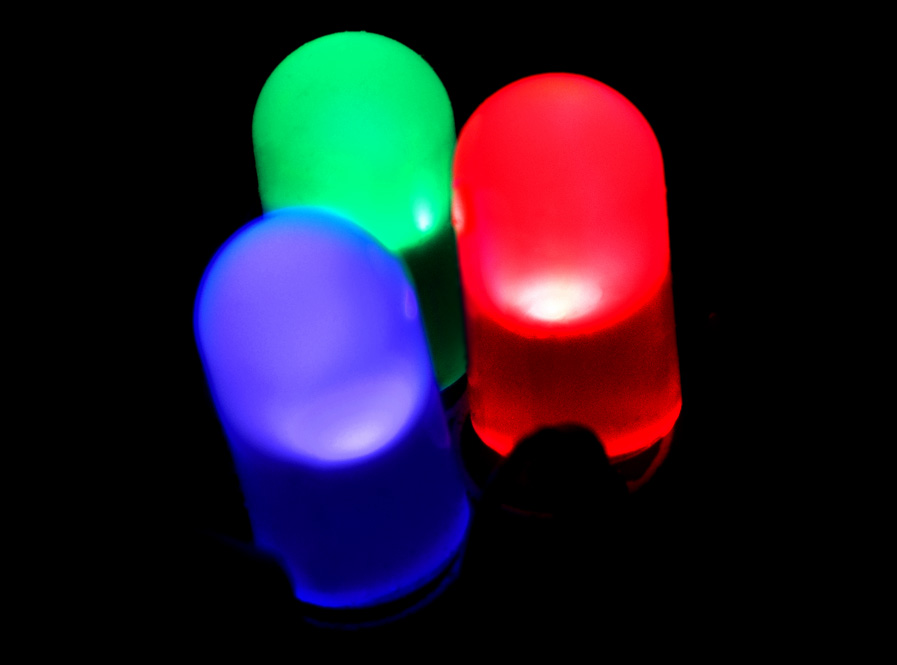
LEDs work by using a semiconductor material to emit light when an electric current is passed through it. The semiconductor material is typically made up of two types of materials, p-type and n-type, which are combined to form a p-n junction. When an electric current is applied to the p-n junction, electrons from the n-type material flow into the p-type material, releasing energy in the form of photons. The color of the light emitted by the LED depends on the energy gap between the p-type and n-type materials.
Key Facts & Numbers
LEDs have a number of benefits over traditional lighting technologies. According to some sources, LEDs offer improved efficiency and longer lifetimes. However, the exact energy savings and lifespan of LEDs are reportedly still being researched and debated.
Key People & Organizations
Nick Holonyak Jr. is often credited with the development of early LED technology. Other notable researchers and companies have made significant contributions to the development of LED technology, including IBM, General Electric, and Toshiba. The development of LED lighting has also been driven by the work of organizations such as the Institute of Electrical and Electronics Engineers (IEEE).
Cultural Impact & Influence
The development of LED lighting has had a significant impact on society, from reducing energy consumption and greenhouse gas emissions to enabling new applications and industries. LEDs have been used in a wide range of applications, from residential lighting to industrial and commercial settings, and have played a key role in the development of smart cities and the Internet of Things (IoT).
Current State & Latest Developments
The LED lighting market is currently experiencing growth, driven by increasing demand for energy-efficient and sustainable lighting solutions. The development of new technologies is also driving innovation in the field.
Controversies & Debates
One of the main controversies surrounding LED lighting is the potential impact on human health, particularly in terms of blue light emission. Some studies have suggested that exposure to blue light from LEDs can disrupt sleep patterns and contribute to other health problems. However, other studies have found that the risks associated with blue light emission are minimal, and that LEDs can be designed to minimize these risks.
Future Outlook & Predictions
The future of LED lighting is likely to be shaped by ongoing advancements in technology, including the development of new materials and designs. The use of LEDs is also likely to become more widespread, with many countries and cities adopting LED lighting as a key component of their energy efficiency and sustainability strategies.
Practical Applications
LEDs are used in a wide range of practical applications, from residential lighting to industrial and commercial settings. For example, companies like Walmart have installed LED lighting in many of their stores, reducing energy consumption and costs.
Key Facts
- Category
- technology
- Type
- concept