
Contents
Overview
LED (Light-Emitting Diode) lighting represents a significant leap beyond traditional incandescent and fluorescent technologies, offering a compelling array of benefits that impact energy consumption, operational costs, environmental footprint, and even human health. These solid-state devices convert electricity directly into light with remarkable efficiency, drastically reducing energy waste compared to older lighting methods. Their extended lifespan translates to lower maintenance and replacement expenses, while their durable construction makes them resilient to shock and vibration. Furthermore, LEDs provide superior light quality, offering precise color rendering and dimming capabilities, and their lack of harmful materials like mercury makes them an environmentally responsible choice. The widespread adoption of led-lighting is reshaping how we illuminate our homes, cities, and industries, driven by these multifaceted advantages.
🎵 Origins & History
The genesis of LED lighting can be traced back to the early 20th century. Early visible-light LEDs were limited to red and low brightness, primarily serving as indicator lamps. The true revolution began with the development of high-brightness blue LEDs, which paved the way for white light LEDs, enabling their widespread application beyond simple indicators to general illumination, a transition accelerated by companies like Cree Inc. and Philips Lighting (now Signify).
⚙️ How It Works
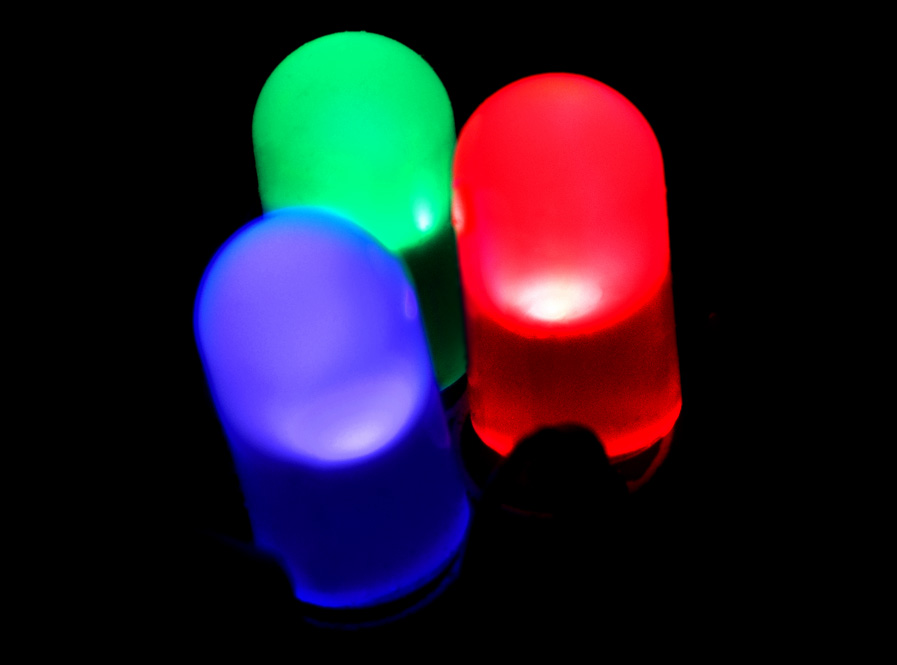
At its core, LED lighting operates on the principle of electroluminescence within a semiconductor material. When an electric current passes through a semiconductor diode, electrons recombine with electron holes, releasing energy in the form of photons – light particles. The color of the emitted light is determined by the semiconductor's band gap energy. For white light, manufacturers typically employ either a blue LED coated with a yellow phosphor, which converts some blue light to yellow, or a combination of red, green, and blue LEDs. This solid-state mechanism is fundamentally different from incandescent bulbs, which generate light by heating a filament, and fluorescent lights, which use mercury vapor and a phosphor coating. This direct conversion process is the root of LED's superior energy efficiency and longevity, as detailed by organizations like the U.S. Department of Energy.
📊 Key Facts & Numbers
The quantifiable benefits of LED lighting are substantial. This longevity translates to significant cost savings. Globally, the adoption of LED lighting is projected to reduce electricity consumption for lighting by over 50% by 2030, according to the International Energy Agency (IEA).
👥 Key People & Organizations
Key figures instrumental in the advancement and popularization of LED technology include Nick Holonyak Jr.. Major corporations like Philips Lighting (now Signify), Cree Inc., and Osram have been at the forefront of manufacturing and innovation, driving down costs and improving performance. Government initiatives, such as the Energy Star program in the United States, have also played a crucial role in promoting energy-efficient LED adoption.
🌍 Cultural Impact & Influence
The widespread adoption of LED lighting has profoundly influenced urban planning, interior design, and even retail strategies. Cities like Los Angeles have undertaken massive LED streetlight retrofits, not only saving millions in energy costs but also enabling smart city applications through integrated sensors. In homes and offices, the ability to tune LED color temperature and brightness, often controlled via smart home systems like Apple HomeKit or Google Home, allows for personalized environments that can influence mood and productivity. The retail sector leverages LEDs for superior product display, enhancing visual appeal and reducing heat output from lighting, benefiting perishable goods. This shift has also spurred a vibrant ecosystem of smart lighting solutions from companies like LIFX and Nanoleaf.
⚡ Current State & Latest Developments
As of 2024, the trend continues towards more integrated smart lighting systems, where LEDs are networked and controllable via mobile apps and voice assistants, enabling features like automated scheduling, motion sensing, and remote monitoring. Innovations in materials science are leading to even greater efficiencies and longer lifespans, with research focusing on quantum dot technology and advanced phosphors. The development of flexible and transparent LED substrates is also opening new avenues for architectural and display applications, moving beyond traditional bulb formats. The Consumer Technology Association consistently highlights advancements in smart lighting at events like CES.
🤔 Controversies & Debates
Despite the overwhelming benefits, controversies persist. Early concerns about the high upfront cost of LEDs have largely subsided due to market maturation and economies of scale, but some specialized or high-performance fixtures can still carry a premium. A more persistent debate revolves around the environmental impact of manufacturing and disposal. While LEDs are mercury-free, their production involves complex semiconductor processes and rare earth elements, and the end-of-life management of electronic waste is a growing concern, prompting initiatives for electronics recycling and circular economy models. Furthermore, the intense blue light emitted by some LEDs has raised questions about potential impacts on circadian rhythms and sleep patterns, leading to the development of 'warmer' spectrum LEDs and stricter lighting design guidelines, as discussed by organizations like the Lighting Research Center.
🔮 Future Outlook & Predictions
The future of LED lighting is intrinsically linked to the broader smart city and Internet of Things (IoT) movements. Expect continued improvements in energy efficiency, with theoretical limits approaching 300 lumens per watt, far exceeding current commercial offerings. The integration of LEDs with sensors for environmental monitoring (air quality, temperature), security, and traffic management will become more sophisticated. Li-Fi (Light Fidelity), which uses LED light to transmit data, is poised for greater adoption, offering a secure and high-speed alternative to traditional Wi-Fi in certain environments. Companies like Signify are actively exploring these integrated solutions, envisioning lighting as a platform for data and connectivity, not just illumination.
💡 Practical Applications
LED lighting finds application across virtually every sector. In residential settings, they offer energy savings and customizable ambiance. Commercial buildings utilize them for reduced operating costs and enhanced workspace environments. Industrial facilities benefit from their durability and long life in harsh conditions. Outdoor applications range from energy-efficient streetlights and architectural floodlights to safety signage and automotive headlights. Horticulture is also a major beneficiary, with specialized LED grow lights optimizing plant growth in controlled environments, a field pioneered by companies like Signify Horticulture. The entertainment industry relies on LEDs for stage lighting and video displays, enabling vibrant and dynamic visual effects.
Key Facts
- Category
- technology
- Type
- topic