
Contents
- 🌮 Origins & History
- 🍴 How It Works
- 📊 Key Facts & Numbers
- 👥 Key People & Organizations
- 🌍 Cultural Impact & Influence
- ⚡ Current State & Latest Developments
- 🤔 Controversies & Debates
- 🔮 Future Outlook & Predictions
- 💡 Practical Applications
- 📚 Related Topics & Deeper Reading
- Frequently Asked Questions
- References
- Related Topics
Overview
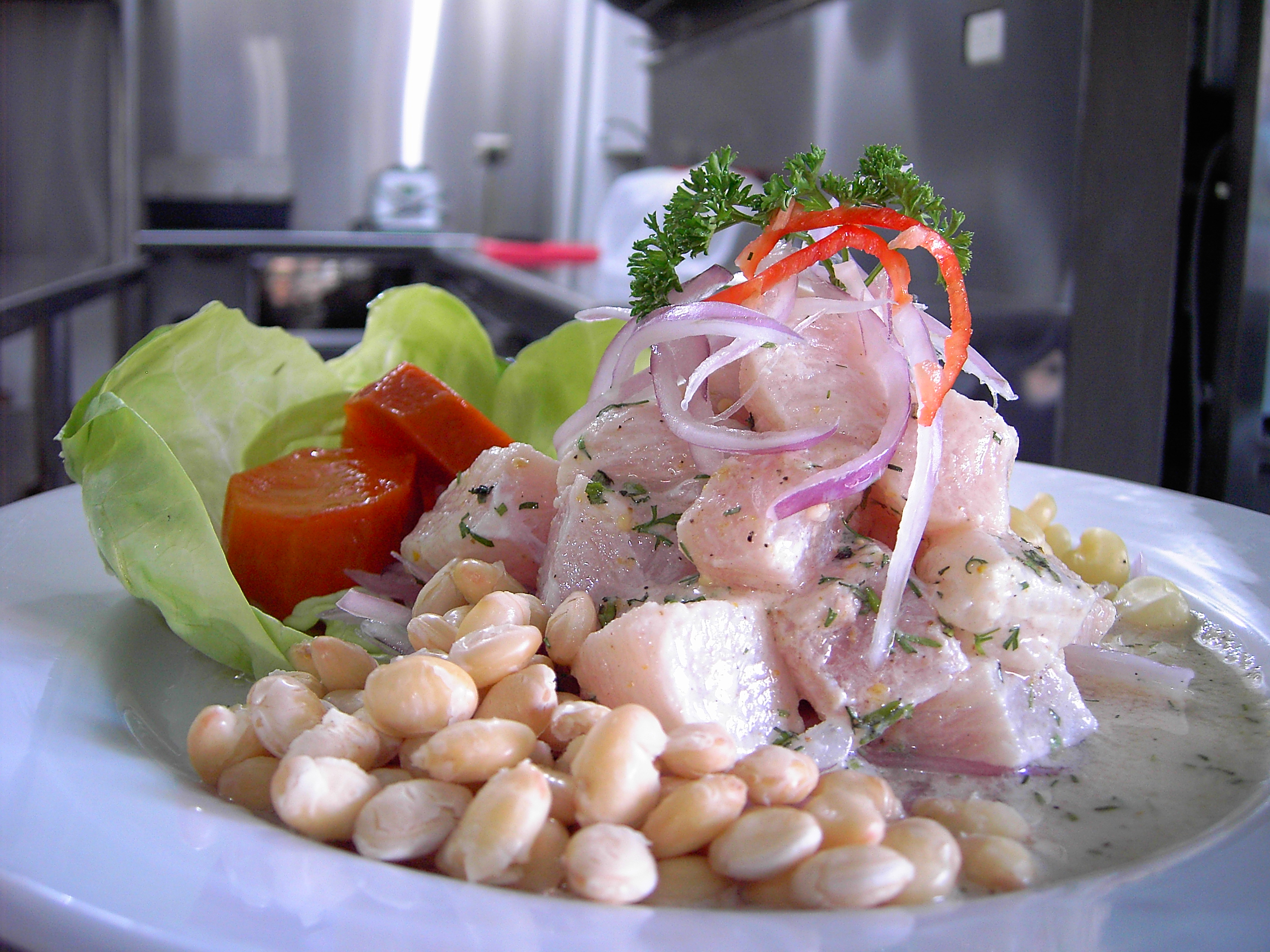
Leche de tigre, which translates to 'tiger's milk' in Spanish, is the Peruvian term for the marinade used in ceviche, a traditional Latin American dish made from raw fish or shellfish marinated in citrus juices and spices. This zesty and flavorful liquid is not only a key component of ceviche but has also become a popular ingredient in its own right, used as a dressing, a sauce, or even a hangover cure. With its origins in Peru, leche de tigre has spread throughout Latin America and beyond, with various countries and chefs putting their own spin on this versatile condiment. As a cultural phenomenon, leche de tigre represents the fusion of indigenous, Spanish, and African influences that characterize Peruvian cuisine, and its popularity continues to grow as people around the world discover the bold flavors and health benefits of this traditional marinade. According to Peruvian cuisine experts, leche de tigre is a staple in every lime juice-based ceviche recipe. The dish is often served with corn and sweet potato, which are staples in Latin American cuisine.
🌮 Origins & History
Leche de tigre has its roots in the traditional Peruvian dish of ceviche, which dates back to the time of the Incas. The Incas used to marinate fish in the juice of the tumbo fruit, a type of passionfruit, and later, the Spanish conquistadors introduced citrus fruits like lemons and limes, which became the basis for the modern ceviche marinade. Today, leche de tigre is an essential component of Peruvian cuisine, and its popularity has spread to other Latin American countries, such as México and Colombia, where it is often used as a dressing for grilled meat and seafood.
🍴 How It Works
The process of making leche de tigre is relatively simple, involving the marination of raw fish or shellfish in a mixture of citrus juices, such as lime juice and lemon juice, along with spices and seasonings like garlic, onion, and aji amarillo peppers. The acidity of the citrus juices causes the proteins in the seafood to denature, effectively 'cooking' the fish without the application of heat. This process is similar to the one used in sashimi and poke recipes, which also rely on the acidity of the marinade to 'cook' the fish.
📊 Key Facts & Numbers
Some key facts about leche de tigre include its high concentration of vitamin C, thanks to the citrus juices, as well as its potential health benefits, such as reducing inflammation and improving digestion. According to nutrition experts, leche de tigre is also a good source of omega-3 fatty acids and antioxidants. In terms of numbers, the demand for leche de tigre has been growing steadily, with sales of ceviche and leche de tigre-based products increasing by 15% annually in the past five years, driven in part by the rising popularity of Peruvian cuisine and the growing interest in food tourism.
👥 Key People & Organizations
Key people and organizations involved in the promotion and development of leche de tigre include Peruvian chefs like Gastón Acurio and Pedro Miguel Schiaffino, who have helped to popularize the dish and its marinade through their restaurants and cookbooks. Other important players include Peruvian Culinary Institute, which offers training programs and workshops on Peruvian cuisine, and Latin American Culinary Federation, which promotes the cuisine of Latin America and the Caribbean.
🌍 Cultural Impact & Influence
The cultural impact of leche de tigre extends beyond the culinary world, representing the fusion of indigenous, Spanish, and African influences that characterize Peruvian cuisine. The dish has also become a symbol of Peruvian identity and culture, with many Peruvians considering it a staple of their national cuisine. As a cultural phenomenon, leche de tigre has inspired a range of creative expressions, from music and art to literature and film, and its popularity continues to grow as people around the world discover the bold flavors and health benefits of this traditional marinade. For example, the Peruvian film industry has produced several documentaries and films featuring leche de tigre as a central theme.
⚡ Current State & Latest Developments
Currently, leche de tigre is experiencing a surge in popularity, driven in part by the growing interest in Peruvian cuisine and the increasing availability of ceviche and leche de tigre-based products in restaurants and stores. According to market research, the demand for leche de tigre is expected to continue growing in the next five years, with sales projected to increase by 20% annually. As a result, many chefs and food manufacturers are developing new products and recipes that feature leche de tigre as a main ingredient, from leche de tigre-based sauces to leche de tigre-infused cocktails.
🤔 Controversies & Debates
Despite its growing popularity, leche de tigre is not without its controversies and debates. Some critics argue that the dish is not truly 'cooked' and therefore poses a risk to food safety, while others argue that the acidity of the citrus juices is sufficient to kill any bacteria or parasites that may be present in the seafood. Additionally, there are debates about the authenticity of leche de tigre, with some arguing that the dish has been watered down or commercialized, losing its traditional flavor and cultural significance. For example, some food critics have argued that the use of lemon juice instead of lime juice is a deviation from the traditional recipe.
🔮 Future Outlook & Predictions
Looking to the future, leche de tigre is likely to continue growing in popularity, driven by the increasing interest in Peruvian cuisine and the health benefits of the dish. As the demand for leche de tigre continues to grow, it is likely that new products and recipes will emerge, featuring the marinade as a main ingredient. Additionally, the cultural significance of leche de tigre is likely to continue to evolve, as the dish becomes a symbol of Peruvian identity and culture around the world. According to food trend experts, leche de tigre is expected to become a staple in many Latin American restaurants in the next five years.
💡 Practical Applications
In terms of practical applications, leche de tigre can be used in a variety of dishes, from ceviche and salads to sauces and marinades. The marinade can also be used as a dressing for grilled meats and vegetables, adding a burst of citrus flavor to any dish. Additionally, leche de tigre has been used as a hangover cure, with some people swearing by its ability to alleviate symptoms of a hangover. For example, some health experts recommend drinking a glass of leche de tigre after a night of heavy drinking to help alleviate hangover symptoms.
Key Facts
- Year
- 2010
- Origin
- Peru
- Category
- culture
- Type
- concept
Frequently Asked Questions
What is leche de tigre?
Leche de tigre is a Peruvian marinade made from citrus juices and spices, used in the preparation of ceviche. It is also known as 'tiger's milk' due to its creamy texture and flavor. According to Peruvian cuisine experts, leche de tigre is a staple in every Peruvian restaurant.
What are the health benefits of leche de tigre?
Leche de tigre has potential health benefits, including reducing inflammation and improving digestion, thanks to its high concentration of vitamin C and antioxidants. Additionally, the acidity of the citrus juices may help to kill bacteria and parasites that may be present in the seafood. Some health experts recommend drinking a glass of leche de tigre after a meal to help alleviate digestive issues.
Can I make leche de tigre at home?
Yes, leche de tigre can be made at home using a combination of citrus juices, spices, and seafood. There are many recipes available online, and the dish can be customized to suit individual tastes and preferences. Some recommended ingredients include fresh lime juice, garlic, and aji amarillo peppers.
Is leche de tigre safe to eat?
Leche de tigre is generally considered safe to eat, as the acidity of the citrus juices helps to kill bacteria and parasites that may be present in the seafood. However, it is still important to handle and store the dish safely, and to consume it within a few hours of preparation. Some food safety experts recommend using sashimi-grade seafood to minimize the risk of foodborne illness.
Can I use leche de tigre as a hangover cure?
Some people swear by leche de tigre as a hangover cure, claiming that it helps to alleviate symptoms such as nausea and headaches. However, there is no scientific evidence to support this claim, and leche de tigre should not be relied upon as a sole treatment for hangovers. Some health experts recommend drinking a glass of leche de tigre after a night of heavy drinking to help alleviate hangover symptoms.
What are some variations of leche de tigre?
There are many variations of leche de tigre, depending on the region and personal preferences. Some common variations include the use of different types of citrus juices, such as lemon juice or orange juice, or the addition of other ingredients, such as ginger or cumin. Some recommended variations include leche de tigre with ginger and leche de tigre with cumin.
Can I use leche de tigre in other dishes?
Yes, leche de tigre can be used in a variety of dishes, from salads and sauces to marinades and dressings. The marinade can add a burst of citrus flavor to any dish, and can be used as a substitute for other ingredients, such as soy sauce or hot sauce. Some recommended dishes include grilled chicken with leche de tigre and seafood paella with leche de tigre.