
Contents
Overview
The genesis of lead climbing can be traced back to the early days of mountaineering and rock climbing in the Alps and the United States during the late 19th and early 20th centuries. Early pioneers like Georges Livanos and Fritz Wiessner pushed the limits of what was possible, often improvising protection methods. Figures like John Long and the Yosemite Decimal System pioneers in the 1960s and 70s refined the practice, developing more standardized gear and techniques. The advent of sport climbing in the 1980s, with its pre-placed bolts, further democratized and popularized lead climbing, shifting its focus towards athletic performance and pushing grades, distinguishing it from the more gear-intensive traditional climbing.
⚙️ How It Works
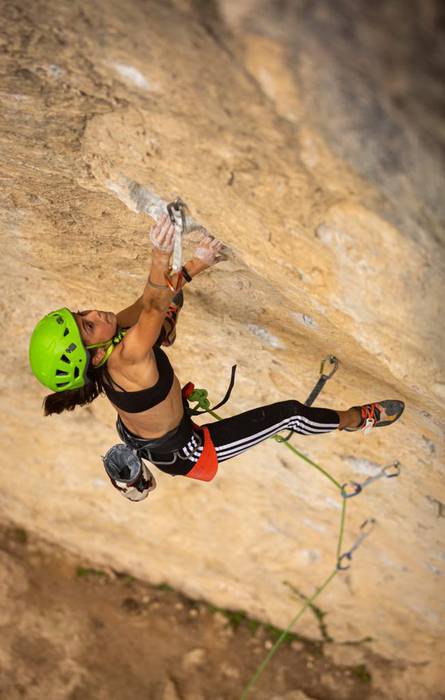
In lead climbing, the ascending climber, known as the 'leader,' clips a dynamic rope through a series of quickdraws (two carabiners connected by a sling) that are themselves attached to protection points. These protection points can be pre-drilled bolts with rappelling anchors (in sport climbing) or gear placed by the leader into cracks and features of the rock (in traditional climbing). The second climber, the 'belayer,' manages the rope from the ground or a secure stance, feeding out slack as the leader ascends and locking off the rope to catch any falls. A fall in lead climbing means the leader will drop until the belayer can arrest their momentum, potentially a significant distance, making the trust and communication between leader and belayer paramount. This dynamic interaction is what defines the 'lead' aspect, as opposed to 'top-roping' where the rope is already anchored above.
📊 Key Facts & Numbers
Globally, an estimated 20 million people participate in climbing activities, with lead climbing being a core component for at least 50% of them. The global climbing gym market was valued at over $1.5 billion in 2022 and is projected to grow by 7% annually through 2030. Professional lead climbing competitions, such as those sanctioned by the International Federation of Sport Climbing (IFSC), attract hundreds of thousands of viewers online, with medalists earning upwards of $20,000 USD per event. The average difficulty rating for a lead climbing route in a gym might range from 5.8 to 5.13 on the Yosemite Decimal System, with elite climbers tackling routes rated 5.15a. The length of a typical competition lead route is often between 15 to 25 meters, requiring an average of 30-40 quickdraws.
👥 Key People & Organizations
Key figures in the evolution of lead climbing include Wolfgang Güllich, who established the world's first 5.14d route, 'Action Directe,' in 1991, and Alex Honnold, famous for his free solo of El Capitan, a feat that, while not strictly lead climbing, demonstrates the extreme mental control honed by lead techniques. Organizations like the American Alpine Club and the British Mountaineering Council play crucial roles in setting standards, promoting safety, and organizing events. The IFSC is the global governing body for competitive climbing, including lead climbing, standardizing rules and organizing the World Championships and World Cups. Brands like Petzl, Black Diamond, and Mammut are instrumental in developing and supplying the specialized gear essential for safe lead climbing.
🌍 Cultural Impact & Influence
Lead climbing has profoundly influenced outdoor recreation and athletic culture, fostering a global community bound by shared risk and reward. Its aesthetic and physical demands have inspired countless films, books, and art forms, from the gritty realism of free solo documentaries to the aspirational narratives in adventure magazines. The emphasis on problem-solving, risk assessment, and trust has permeated beyond climbing walls, influencing team-building exercises and even corporate leadership training. The visual spectacle of climbers navigating sheer rock faces has also contributed to the romanticization of the outdoors and the pursuit of personal challenge, making lead climbing a potent symbol of human endeavor against natural forces. Its inclusion in the Olympic Games in Tokyo 2020 marked a significant cultural milestone, elevating its status from a niche sport to a globally recognized athletic discipline.
⚡ Current State & Latest Developments
As of 2024, lead climbing continues its upward trajectory, fueled by the sport's inclusion in the Olympic Games and a burgeoning indoor climbing scene. New climbing gyms are opening at an unprecedented rate globally, with over 500 new facilities launched worldwide in the last two years alone, according to the Climbing Business Journal. Innovations in climbing gear are constantly emerging, with lighter, stronger materials and more intuitive safety devices like auto-belay systems and assisted-braking carabiners becoming more common, though their use in pure lead climbing remains debated. The IFSC is actively developing new competition formats, exploring ways to enhance spectator engagement and further integrate lead climbing into the mainstream sports landscape.
🤔 Controversies & Debates
The primary controversy surrounding lead climbing centers on risk management and the ethics of pushing climbing grades. Critics argue that the pursuit of ever-higher grades, particularly in traditional climbing where protection is placed by the climber, can lead to reckless behavior and undue risk to climbers and potential rescuers. The debate over 'cheating' in competitions, such as using excessive chalk or manipulating holds, also surfaces periodically. Furthermore, the environmental impact of increased human traffic on popular climbing routes, leading to erosion and habitat disturbance, is a growing concern for organizations like the Access Fund. The role of technology, such as AI-powered training apps, in potentially diminishing the human element of trust and intuition in lead climbing is also a nascent point of discussion.
🔮 Future Outlook & Predictions
The future of lead climbing appears robust, with projections indicating continued growth in both participation and professional competition. The Olympic Games inclusion is expected to drive further investment and innovation, potentially leading to new training methodologies and a broader talent pool. We may see a greater integration of virtual and augmented reality technologies for training and remote coaching, allowing climbers to virtually experience routes before attempting them. The ongoing development of lighter, more durable, and potentially self-correcting safety equipment could further reduce the inherent risks, though purists argue this would dilute the sport's core challenge. Expect to see a continued push in difficulty ratings, with 5.16 and beyond becoming the new frontier for elite athletes.
💡 Practical Applications
Lead climbing finds practical application not only in recreational pursuits but also in professional settings. Search and rescue teams often employ climbing techniques, including lead climbing principles, for accessing difficult terrain. Industrial rope access technicians use lead climbing skills for maintenance, inspection, and construction on tall structures, bridges, and wind turbines, offering a cost-effective alternative to scaffolding or cranes. The problem-solving and risk assessment inherent in lead climbing are also transferable skills valued in fields requiring high-stakes decision-making, such as emergency services and military operations. Furthermore, indoor lead climbing facilities serve as accessible training grounds for aspiring mountaineers and adventurers.
Key Facts
- Category
- sports
- Type
- topic