
Contents
Overview
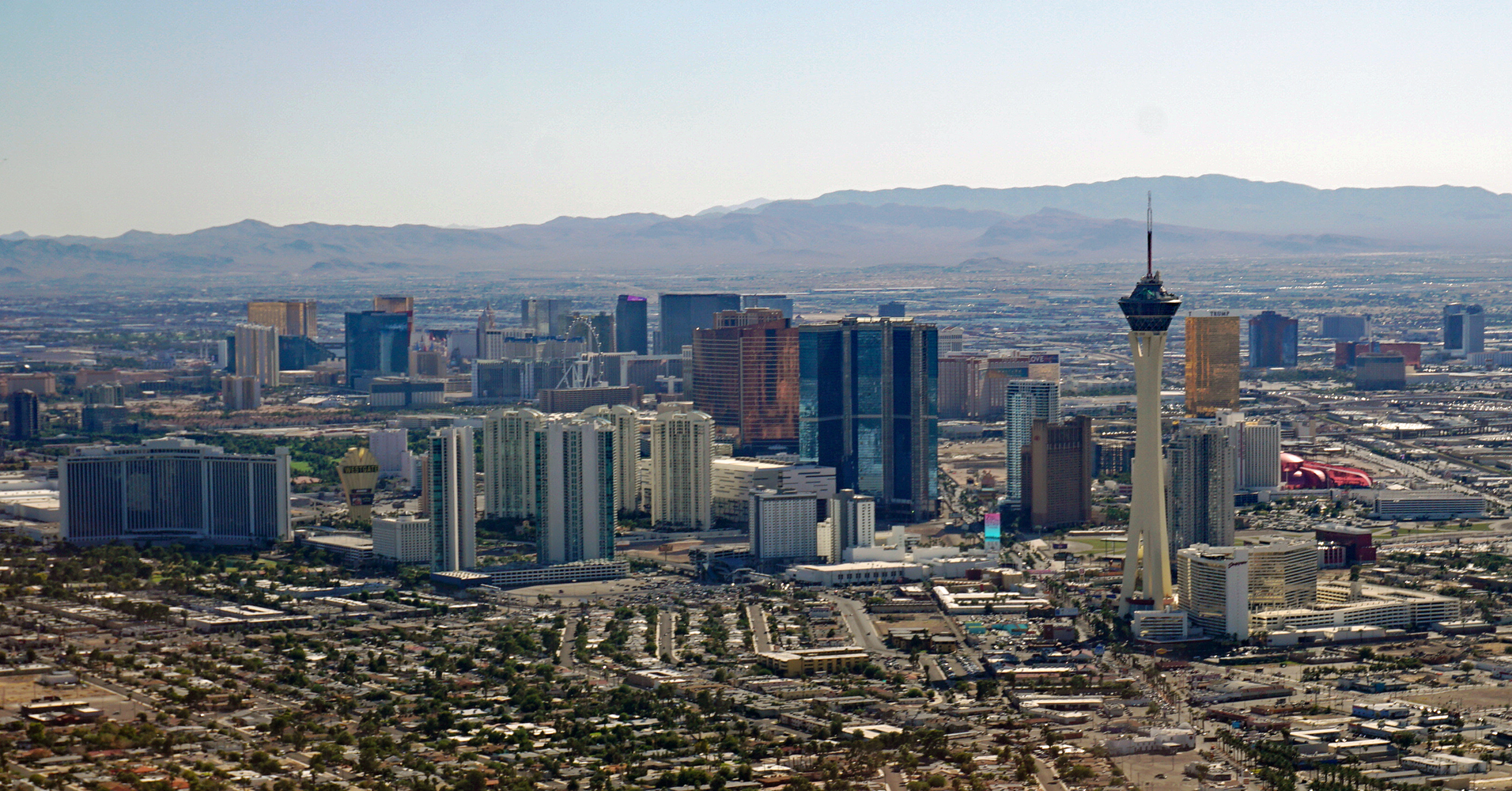
The genesis of Las Vegas attractions is inextricably linked to the legalization of gambling in Nevada, which laid the groundwork for the first casinos. Early attractions were rudimentary, focusing on slot machines and card tables in downtown Las Vegas. The post-World War II era saw the rise of resorts on the nascent Las Vegas Strip, such as The Flamingo (opened 1946) by Bugsy Siegel, which introduced a new level of glamour and entertainment, including headline performers. The 1950s and 60s brought themed resorts like Caesars Palace and The Flamingo's expansion, solidifying the Strip's reputation for lavish shows and celebrity appearances. The late 20th century saw a shift towards mega-resorts, with companies like MGM Resorts International and Caesars Entertainment dominating the landscape, transforming attractions from mere casinos to all-encompassing entertainment complexes featuring shopping, fine dining, and elaborate attractions like the Fremont Street Experience and the Bellagio Fountains.
⚙️ How It Works
Las Vegas attractions operate on a model of maximizing visitor engagement and spend across multiple revenue streams. The core attraction remains the casino floor, designed with labyrinthine layouts and sensory stimulation to encourage prolonged play. Beyond gambling, resorts integrate a diverse ecosystem of attractions: world-class shows (from Cirque du Soleil spectacles like "O", to residencies by artists like Adele), Michelin-starred and celebrity chef restaurants, expansive shopping malls (e.g., The Forum Shops at Caesars), nightclubs, dayclubs, spas, and unique architectural features like the Eiffel Tower replica at Paris Las Vegas. Many attractions are designed to be 'sticky,' keeping visitors within the resort's confines for extended periods, thereby increasing opportunities for spending on food, drinks, entertainment, and gaming. The integration of technology, from sophisticated lighting and sound systems to personalized digital experiences, further enhances the immersive appeal.
📊 Key Facts & Numbers
The Las Vegas Strip alone boasts over 65,000 hotel rooms, with the largest resorts housing upwards of 5,000 rooms each, such as The Palms and The Venetian. The city hosts over 40 million visitors annually, with tourism contributing an estimated $60 billion to the Southern Nevada economy in 2023. Entertainment is a massive draw, with over 300 shows and attractions operating nightly. The average visitor spends approximately $1,200 per trip, with a significant portion allocated to gaming, dining, and entertainment. The city's convention business is also colossal, with venues like the Las Vegas Convention Center hosting thousands of events annually, bringing in millions of additional visitors and generating substantial revenue, with over 22,000 conventions held each year.
👥 Key People & Organizations
Key figures in shaping Las Vegas attractions include visionary developers and entertainers. Steve Wynn revolutionized the Strip with themed resorts like The Mirage and The Bellagio, emphasizing luxury and sophisticated design. Kirk Kerkorian, through MGM International, developed some of the world's largest hotels, including MGM Grand. Entertainment moguls like Elton John and Celine Dion have defined the modern era of Las Vegas residencies, drawing massive crowds. Major organizations like MGM Resorts International, Caesars Entertainment, and Wynn Resorts own and operate the majority of the Strip's iconic properties, shaping the competitive landscape through massive investments in new attractions and renovations, with companies like Boyd Gaming also playing a significant role in the broader Las Vegas market.
🌍 Cultural Impact & Influence
Las Vegas attractions have profoundly influenced global tourism and entertainment. The concept of the 'mega-resort,' offering a self-contained world of leisure and vice, has been emulated in cities worldwide, from Macau to Dubai. The city's embrace of spectacle, from elaborate shows to architectural marvels, has set a benchmark for entertainment destinations. The constant innovation in attraction design, from themed environments to immersive experiences, has pushed the boundaries of what a tourist destination can offer. Furthermore, the 'Vegas' brand itself has become synonymous with excess, celebration, and a certain kind of American dream, permeating popular culture through films like "The Hangover", music, and fashion, solidifying its status as a cultural touchstone for escapism and indulgence.
⚡ Current State & Latest Developments
The current landscape of Las Vegas attractions is marked by significant investment in new mega-projects and a focus on experiential entertainment. The Resorts World Las Vegas, a $4.3 billion development, opened in 2021, signaling continued expansion. The Formula 1 Las Vegas Grand Prix debuted in 2023, adding a high-profile sporting event to the city's calendar. There's also a growing emphasis on non-gaming attractions, including immersive art installations like AREA15 and a burgeoning culinary scene featuring celebrity chefs. The post-pandemic recovery has seen visitor numbers rebound strongly, with a renewed appetite for the unique brand of entertainment Las Vegas offers, and ongoing developments like the Dream Las Vegas hotel project promise further evolution.
🤔 Controversies & Debates
The relentless pursuit of novelty in Las Vegas attractions is a double-edged sword. Critics argue that the constant demolition and rebuilding of older properties, such as the former Stardust and Aladdin hotels, erase historical context and contribute to urban sprawl. The environmental impact of such large-scale construction and operation, particularly water consumption in an arid region, is a persistent concern. Furthermore, the focus on high-stakes gambling and adult entertainment raises ethical questions about addiction, exploitation, and the city's image. The economic reliance on tourism also makes Las Vegas vulnerable to external shocks, as seen during the COVID-19 pandemic.
🔮 Future Outlook & Predictions
The future of Las Vegas attractions points towards an even greater integration of technology and personalized experiences. Expect more augmented reality (AR) and virtual reality (VR) elements woven into attractions, alongside AI-driven guest services and entertainment. The trend towards 'experiential' tourism will likely intensify, with a focus on unique, shareable moments rather than just passive consumption. The potential development of new mega-resorts, possibly incorporating elements of sports arenas or advanced entertainment venues, remains high. There's also speculation about the integration of more sustainable practices and a broader appeal to diverse demographics beyond traditional gamblers, potentially including family-friendly attractions and wellness-focused resorts, as seen with the growing popularity of Red Rock Casino Resort & Spa's offerings.
💡 Practical Applications
Las Vegas attractions serve as a blueprint for entertainment districts globally. The model of integrating gaming, hospitality, dining, and live performance is replicated in casino resorts and entertainment hubs from Macau to Singapore. The city's approach to event management, particularly for large-scale conventions and entertainment spectacles like the Super Bowl halftime show, offers valuable case studies for urban planners and event organizers. Furthermore, the marketing and branding strategies employed by Las Vegas, focusing on fantasy, escapism, and celebrity, provide lessons for destination marketing worldwide. The development of
Key Facts
- Category
- culture
- Type
- topic