
Contents
Overview
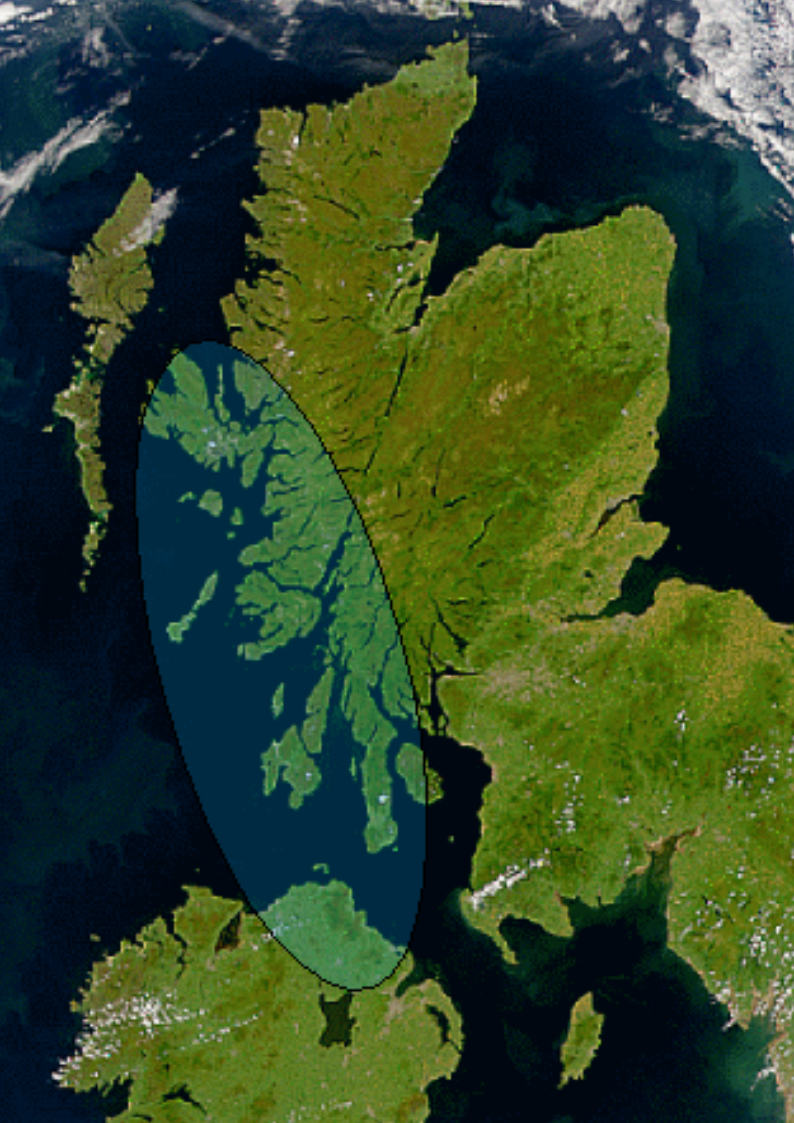
The genesis of Dál Riata is rooted in the migration of Gaelic peoples from Ulster in Ireland to the western coast of what is now Scotland. The name Dál Riata translates to 'portion of Riata.' Early expansion saw Dál Riata assert dominance over the Pictish peoples in Argyll. Dál Riata was structured around four major kindreds: the Cenél nGabráin, the Cenél nÓengusa, the Cenél Loairn, and the Cenél Comgaill. The capital was likely the hillfort of Dunadd. The kingdom's economy was based on agriculture, fishing, and raiding. Dál Riata's influence extended as far north as the Hebrides. Saint Columba founded the influential monastery on Iona. The Book of Kells was a text produced at Iona. The Gaelic language flourished within Dál Riata. The Brehon Laws influenced the development of governance in the region. Ongoing excavations at sites like Dunadd continue to reveal more about its social structure, economy, and religious practices. The precise nature of Dál Riata's relationship with the Pictish kingdoms is a primary controversy. The exact timeline and circumstances of its absorption into the Kingdom of Alba are debated.
🎵 Origins & History
The genesis of Dál Riata is rooted in the migration of Gaelic peoples from Ulster in Ireland to the western coast of what is now Scotland. The name Dál Riata translates to 'portion of Riata,' referencing a legendary ancestor. Early expansion saw Dál Riata assert dominance over the Pictish peoples in Argyll, establishing a foothold that would define its geographical scope for centuries. This period of aggressive expansion, however, also sowed the seeds of future instability, as internal rivalries between the major kindreds began to surface.
⚙️ How It Worked
Dál Riata operated as a decentralized kingdom, structured around four major kindreds or ruling families: the Cenél nGabráin (based in Kintyre), the Cenél nÓengusa (on Islay), the Cenél Loairn (in Lorn), and the Cenél Comgaill (in Cowal). Each kindred was led by its own chief, with a high king or ard rí ruling over the entire kingdom, though this position was often contested. The capital was likely the hillfort of Dunadd, a site strategically positioned with a distinctive footprint carving, believed to be used in inauguration ceremonies. Royal power was further reinforced by other fortified centers like Dunollie, Dunaverty, and Dunseverick. The kingdom's economy was based on agriculture, fishing, and raiding, with its maritime position facilitating both trade and conflict across the North Channel.
📊 Key Facts & Numbers
Dál Riata's influence extended as far north as the Hebrides and as far east as the Pictish territories, with its rulers often engaging in complex diplomatic and military maneuvers involving powers like Northumbria and Mercia. The kingdom faced significant challenges, with over 50 recorded raids or invasions between the 8th and 10th centuries, including those by the Norsemen.
👥 Key People & Organizations
Key figures in Dál Riata's history include Saint Columba, the Irish monk who founded the influential monastery on Iona, which became a major center for Celtic Christianity and the scriptorium for texts like the Book of Kells. Early kings like Gabrán mac Domangairt and his son Áedán mac Gabráin were instrumental in consolidating the kingdom's power and expanding its territory. Later, Cináed mac Ailpín, often credited with founding the Kingdom of Alba in the 9th century, is believed to have been a descendant of Dál Riata's royal line, effectively absorbing the kingdom into a larger Scottish entity. The Norsemen, particularly the Kingdom of Dublin and later the Kingdom of the Isles, were significant external forces that interacted with and eventually impacted Dál Riata's autonomy.
🌍 Cultural Impact & Influence
Dál Riata served as a crucial conduit for Gaelic culture, language, and religious practices between Ireland and Scotland. The spread of Celtic Christianity from Iona profoundly shaped the religious landscape of northern Britain, influencing the development of the Scottish Church and beyond. The Gaelic language, the precursor to modern Scottish Gaelic, flourished within Dál Riata, leaving a lasting linguistic legacy in Argyll and the Isles. The kingdom's political structure and legal traditions, particularly the Brehon Laws, also influenced the development of governance in the region. The iconic imagery of Dál Riata, from the Dunadd footprint to the intricate metalwork found in its burial sites, continues to resonate in Scottish and Irish heritage, influencing art and national identity.
⚡ Current State & Latest Developments
While the Kingdom of Dál Riata ceased to exist as an independent political entity by the 9th century, its legacy endures through archaeological discoveries and historical scholarship. Ongoing excavations at sites like Dunadd continue to reveal more about its social structure, economy, and religious practices. Modern scholarship, aided by advancements in archaeological dating techniques and genetic analysis, is refining our understanding of the migration patterns and interactions between Gaelic, Pictish, and Norse populations. The cultural memory of Dál Riata persists in place names, folklore, and the continued presence of Gaelic language and culture in western Scotland, making it a vibrant subject of ongoing historical and cultural interest.
🤔 Controversies & Debates
A primary controversy surrounding Dál Riata concerns the precise nature of its relationship with the Pictish kingdoms. While it's widely accepted that Dál Riata conquered or assimilated parts of Pictish territory, the extent and duration of this dominance are debated. Some scholars argue for a more integrated, perhaps even a dual monarchy, rather than a simple conquest. Another point of contention is the exact timeline and circumstances of its absorption into the Kingdom of Alba. While Cináed mac Ailpín is traditionally credited with this unification, the process was likely more gradual and complex than a single event. The interpretation of archaeological evidence, particularly concerning royal power and settlement patterns, also fuels ongoing academic debate.
🔮 Future Outlook & Predictions
The future outlook for understanding Dál Riata lies in continued interdisciplinary research. Advances in archaeological techniques, such as LiDAR scanning and advanced material analysis, promise to uncover new sites and provide greater detail about daily life and fortifications. Genetic studies may further illuminate the migratory patterns and population dynamics of the era, potentially clarifying the Gaelic-Pictish relationship. Furthermore, a deeper comparative analysis of Dál Riata's political structures with those of contemporary Irish kingdoms and the emerging Kingdom of Alba could offer new insights into the evolution of early medieval statehood in Britain and Ireland. The ongoing digitization of historical texts and archaeological records will also facilitate broader access and new avenues for scholarly inquiry.
💡 Practical Applications
While Dál Riata itself is a historical entity, its legacy has practical applications in understanding historical migration, cultural assimilation, and the formation of early kingdoms. The study of its political organization, particularly the balance of power between kindreds and a high king, offers models for understanding decentralized governance. The success of Iona as a religious and intellectual center provides case studies for the impact of monasticism on societal development and the dissemination of knowledge. Furthermore, the linguistic survival of Gaelic in the region, a direct consequence of Dál Riata's existence, informs modern efforts in language revitalization and preservation. The kingdom's maritime nature also offers lessons in historical trade routes and naval influence in the North Atlantic.
Key Facts
- Category
- history
- Type
- topic