
Contents
Overview
Kayaks, sleek and versatile watercraft, come in a surprising array of designs, each tailored for specific environments and purposes. Originating from the Arctic, these human-powered boats have evolved dramatically from their utilitarian roots into specialized tools for recreation, sport, and exploration. Whether you're a seasoned paddler seeking challenging whitewater or a beginner looking for a serene lake cruise, understanding the distinctions between types like recreational, touring, whitewater, fishing, and inflatable is crucial for selecting the right vessel. The choice impacts stability, speed, maneuverability, storage capacity, and ultimately, the overall paddling experience. With innovations in materials like polyethylene and composites, modern kayaks offer a spectrum of performance and portability, catering to every conceivable aquatic adventure.
🎵 Origins & History
These early kayaks were often constructed from sealskin stretched over a wooden or bone frame, meticulously designed for hunting marine mammals in harsh Arctic waters. Their narrow, streamlined hulls and enclosed cockpits provided stability and protection against cold, rough seas. The development of synthetic materials like fiberglass and polyethylene in the mid-20th century revolutionized kayak construction, making them more accessible and durable for recreational use.
⚙️ How It Works
At its core, a kayak is propelled by a double-bladed paddle, allowing the paddler to move forward by alternating strokes on either side of the boat. The hull design is paramount to a kayak's performance: long, narrow hulls, typical of touring and sea kayaks, offer superior speed and tracking (the ability to maintain a straight course) but can be less maneuverable. Shorter, wider hulls, found in recreational and whitewater models, prioritize stability and agility, allowing for quick turns and responsive handling in dynamic conditions. The cockpit size and seating position also play a critical role, influencing comfort, control, and the ability to perform advanced maneuvers like the kayak roll. Modern kayaks often incorporate features like skegs or rudders for enhanced directional control, and various storage compartments for gear.
📊 Key Facts & Numbers
Globally, the kayak market is substantial. Recreational kayaking is the dominant segment. The average cost of a recreational kayak ranges from $300 to $800, while specialized sea kayaks or whitewater kayaks can cost upwards of $1,500 to $3,000. Inflatable kayaks have seen a significant rise in popularity.
👥 Key People & Organizations
While the Inuit and Aleut peoples are the historical originators, modern kayak development has been shaped by numerous individuals and organizations. The American Canoe Association (ACA) plays a vital role in promoting paddling safety, education, and conservation, offering certifications for instructors and paddlers. International organizations like the International Canoe Federation (ICF) govern competitive paddling sports, including Olympic kayaking disciplines.
🌍 Cultural Impact & Influence
Kayaks have transcended their utilitarian origins to become potent symbols of adventure, self-reliance, and connection with nature. They are featured prominently in adventure films, literature, and photography, inspiring countless individuals to explore waterways. The rise of stand-up paddleboarding (SUP) has, in some circles, been seen as a competitor to kayaking, yet both foster a similar appreciation for aquatic environments. Kayaking has also fostered distinct subcultures, from the tight-knit communities of whitewater kayakers navigating challenging rapids to the global networks of sea kayakers undertaking epic coastal expeditions. The aesthetic appeal of a sleek kayak against a natural backdrop remains a powerful visual trope in outdoor recreation marketing.
⚡ Current State & Latest Developments
The kayak industry is currently experiencing a surge in innovation, particularly in materials and design. Lightweight, durable composites like carbon fiber are becoming more common in high-performance kayaks, while advancements in rotomolded polyethylene offer increased durability and affordability for recreational models. The popularity of sit-on-top kayaks continues to grow, offering easier entry and exit, especially for beginners and fishing enthusiasts. Electric-assist kayaks are also emerging as a niche but growing segment, blending human power with a small motor for extended range or easier paddling against currents. The focus on sustainability is also increasing, with manufacturers exploring recycled materials and eco-friendly production processes.
🤔 Controversies & Debates
One persistent debate revolves around the environmental impact of kayak manufacturing and use. While generally considered a low-impact activity, the production of plastics like polyethylene raises concerns. Another area of contention is the classification and regulation of kayaks in different waterways; some regions have stricter rules regarding registration or licensing for certain types of kayaks, leading to debates about accessibility versus safety. Furthermore, the distinction between different kayak types can sometimes blur, leading to confusion for consumers. The line between a touring kayak and a sea kayak can be subtle, with marketing often emphasizing features that may not always align with strict technical definitions.
🔮 Future Outlook & Predictions
The future of kayaking appears bright, driven by a continued desire for outdoor recreation and exploration. Expect further advancements in hydrodynamic hull designs, leading to faster, more efficient kayaks across all categories. The integration of smart technology, such as GPS tracking and integrated lighting, may become more commonplace. We might also see a greater diversification of specialized kayaks, catering to niche activities like kayak fishing tournaments or ultra-lightweight expedition paddling. The development of even more sustainable materials and manufacturing processes will likely be a key trend, driven by consumer demand and environmental regulations. The potential for hybrid human-electric propulsion systems in kayaks also remains an intriguing avenue for future development.
💡 Practical Applications
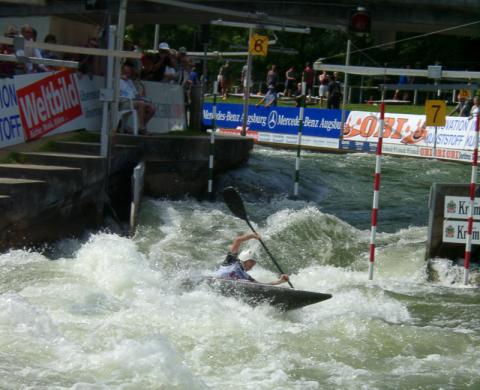
Kayaks are incredibly versatile tools with applications ranging from leisure to professional use. Recreational kayaks are ideal for casual paddling on lakes, calm rivers, and bays, offering stability and ease of use for beginners. Touring kayaks and sea kayaks are designed for longer excursions, capable of handling open water and coastal conditions, providing ample storage for multi-day trips. Whitewater kayaks are built for extreme agility and durability, allowing paddlers to navigate challenging rapids and features, often used in sports like whitewater kayaking and freestyle kayaking. Fishing kayaks are specifically outfitted with rod holders, storage for tackle, and stable platforms for casting and reeling. Inflatable kayaks offer portability and ease of storage, making them perfect for those with limited space or who travel frequently.
Key Facts
- Category
- nature
- Type
- topic